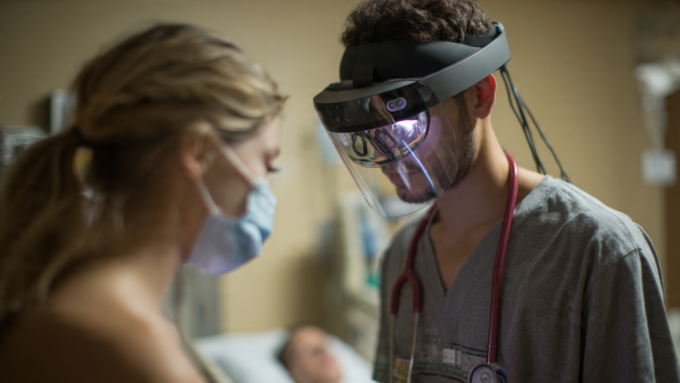


The explosive expansion of wearable health technology in 2026 is driven by a fundamental shift in how we approach our biological well-being. No longer seen as mere accessories for athletes, these devices have become essential instruments for personal longevity, clinical diagnostics, and the proactive management of chronic conditions.
This growth is fueled by the convergence of medical-grade accuracy, artificial intelligence, and a global movement toward “preventative” rather than “reactive” healthcare. As sensors become more sophisticated and form factors more discreet, health tech is moving from the wrist to every part of our daily lives.
✨ AI Insight: In 2026, AI has moved from generic feedback to “Agentic AI,” which reasons over multi-signal data to predict fatigue or illness before physical symptoms manifest.
1. The Transition to Medical-Grade Precision
The primary driver for the 2026 boom is the transition of wearables from novelty trackers to certified medical instruments. High-performance devices now offer FDA-cleared sensors for continuous ECG, atrial fibrillation (AFib) detection, and even non-invasive blood pressure trends.

Consumers no longer trust devices that just count steps; they rely on instruments that provide clinical accuracy. This reliability has allowed health systems to integrate wearable data directly into professional clinical workflows, bridging the gap between home monitoring and hospital care.
By moving these high-stakes diagnostics to the wrist or finger, the technology has democratized professional healthcare. It empowers individuals to monitor their cardiovascular health with the same precision previously found only in a specialist’s office, fostering a sense of total health autonomy.
2. Proactive Management of Chronic Diseases
The rising global burden of chronic conditions—such as diabetes, hypertension, and obesity—has made continuous monitoring a survival strategy rather than a choice. Wearables are now the frontline defense for managing these long-term health challenges outside the clinic.
Continuous Glucose Monitors (CGMs) and smart rings that track metabolic shifts allow users to see the immediate impact of their diet and stress on their internal biology. This real-time feedback loop is essential for preventing the dangerous complications associated with lifestyle diseases.
Health insurers and corporate wellness programs are also incentivizing the use of these trackers to lower hospital readmission rates. By catching anomalies early, these devices save both lives and billions in healthcare costs, making them a central pillar of the modern medical economy.
3. The Power of AI-Driven Personalization
In 2026, raw data has been replaced by “Contextual Intelligence.” Advanced AI now synthesizes multiple data streams—such as heart rate, sleep architecture, and even sweat composition—to provide coaching that is unique to your specific baseline.
Instead of generic daily goals, your wearable might suggest a rest day because it detects a subtle drop in your recovery metrics. This level of hyper-personalization turns the device into a “Personal Health Architect” that understands your body better than you might intuitively perceive.
This move away from “data dumps” to “actionable insights” has significantly improved long-term user engagement. People are more likely to stick with healthy habits when they receive specific, data-backed guidance that evolves with their fitness levels and life stressors.
4. Radical Diversification of Form Factors
Mainstream adoption is being accelerated by the move toward “Invisible Tech.” While smartwatches remain popular, 2026 has seen a surge in ultra-discreet form factors like smart rings, medical-grade earrings, and smart textiles with embedded sensors.
These “screenless” designs appeal to users who want deep health insights without the digital distraction or “tech-heavy” aesthetic of a traditional watch. They allow for 24/7 monitoring that is as natural as wearing a piece of jewelry or getting dressed in the morning.
This aesthetic evolution addresses one of the primary barriers to wearable adoption: the reluctance to wear something that looks like a gadget. By fusing high-end fashion with clinical sensing, health tech has become a seamless and stylish part of the modern wardrobe.
5. Integration with Telemedicine and Remote Care
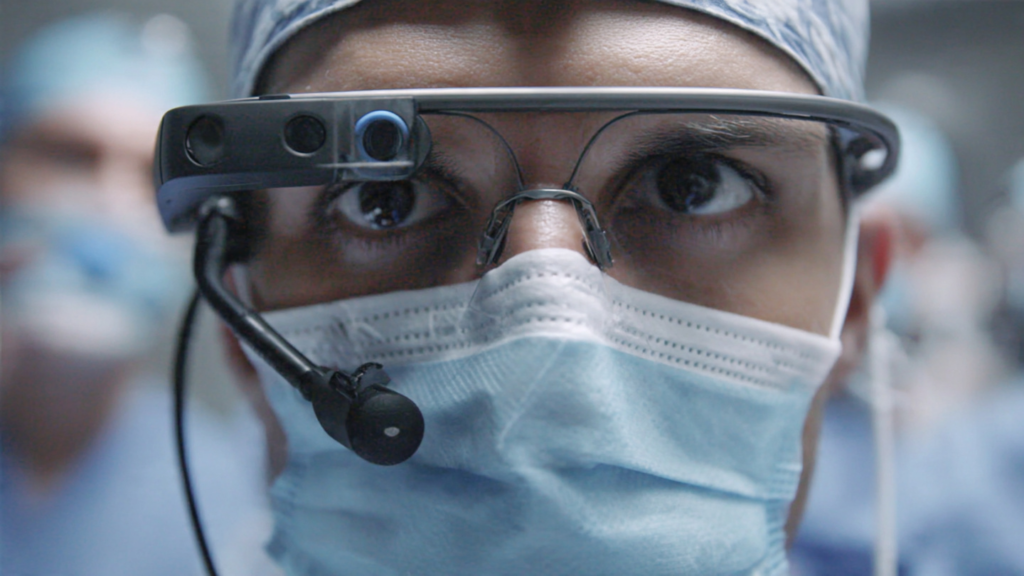
The post-pandemic shift toward virtual healthcare has made wearables the “eyes and ears” of the modern physician. Real-time data sharing between patient devices and Electronic Health Records (EHR) allows for seamless remote consultations and triage.
If a patient’s oxygen levels or heart rhythm deviates from the norm, their care team can be alerted automatically. This “Remote Patient Monitoring” ensures that medical intervention happens at the exact moment it is needed, rather than weeks later during a scheduled check-up.
This connectivity is especially valuable for elderly populations and those in rural areas with limited access to specialists. It provides a constant safety net, ensuring that professional medical oversight is always available, regardless of the patient’s physical location.
6. The “Food as Medicine” and Functional Nutrition Trend
A growing segment of the market—particularly among Millennials and Gen Z—is using wearables to guide their nutritional choices. This “Food as Medicine” trend involves using biometric data to choose functional foods that optimize energy and metabolic health.
Wearables help users identify which foods trigger inflammatory responses or energy crashes, allowing for a personalized approach to eating. This move away from formal, “one-size-fits-all” diets toward data-backed functional nutrition is a major driver of the wellness boom.
By linking what we eat to how we recover and perform, the technology has closed the loop on holistic health. It turns every meal into a deliberate step toward better performance, making the wearable an indispensable tool for anyone focused on peak physical vitality.