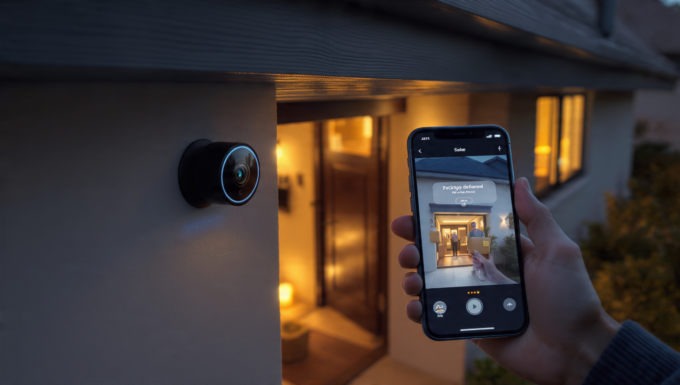

In 2026, the value of a smart security system has moved beyond simple protection of physical property to a focus on emotional connection. These systems are no longer just cold pieces of hardware; they function as a supportive extension of the family’s daily life.
By utilizing advanced AI, modern security tools can recognize individual family members and respond to their unique needs and schedules. This shift from “monitoring a house” to “caring for a household” is why these systems now feel deeply personal and supportive.
✨ AI Insight: In 2026, smart security uses “Agentic AI” to understand the context of your day, such as knowing the difference between a child arriving home and an unexpected visitor.
Recognition That Builds Familiarity and Trust
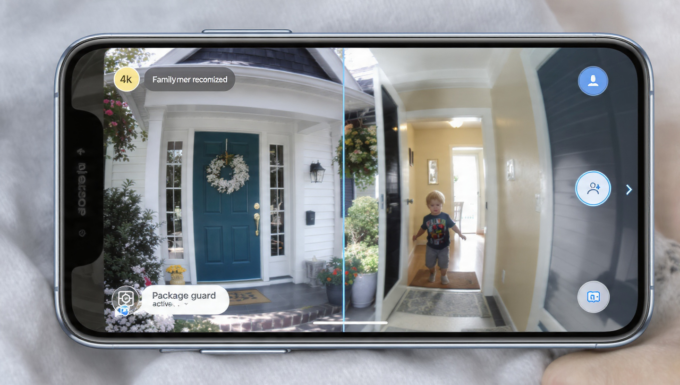
One of the most personal features of 2026 security systems is high-precision facial and “gait” recognition that identifies residents as they approach. This technology allows the home to offer a personalized welcome, such as unlocking the door and adjusting the lights.
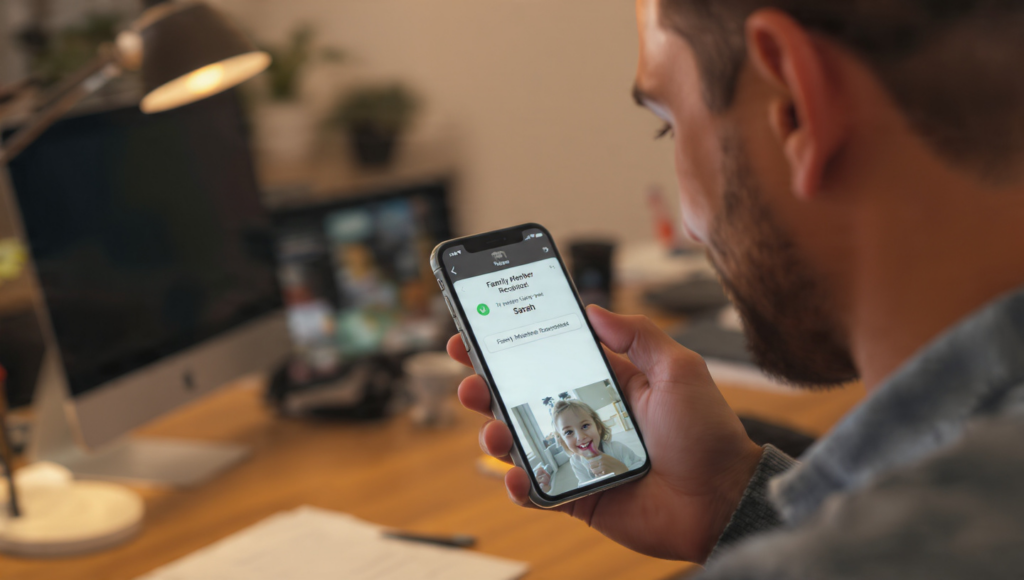
Receiving a notification that “Leo is home” provides a much warmer and more reassuring experience than a generic “person detected” alert. It transforms the security system into a digital family log that helps parents stay connected with their children’s movements.
This familiarity also extends to trusted frequent visitors, such as a long-term nanny or a regular delivery driver. By recognizing these individuals, the system reduces unnecessary alerts, ensuring that the home remains a peaceful environment rather than a source of constant noise.
Proactive Support for Vulnerable Family Members
Smart security has become a vital tool for families caring for elderly relatives who wish to maintain their independence while staying safe. In 2026, cameras and sensors can monitor for “wellness anomalies,” such as a change in movement patterns or a fall.
This proactive oversight allows family members to provide care from a distance without being intrusive or overbearing. It creates a “safety net” that respects the senior’s privacy while ensuring that help is immediately available if a specific emergency occurs.
By focusing on “well-being” rather than just “intrusion,” the technology becomes a source of empathy and support. It simplifies the act of looking after loved ones, reducing the mental load of caretaking and fostering a more harmonious and connected family life.
Interactive Communication That Bridges the Distance
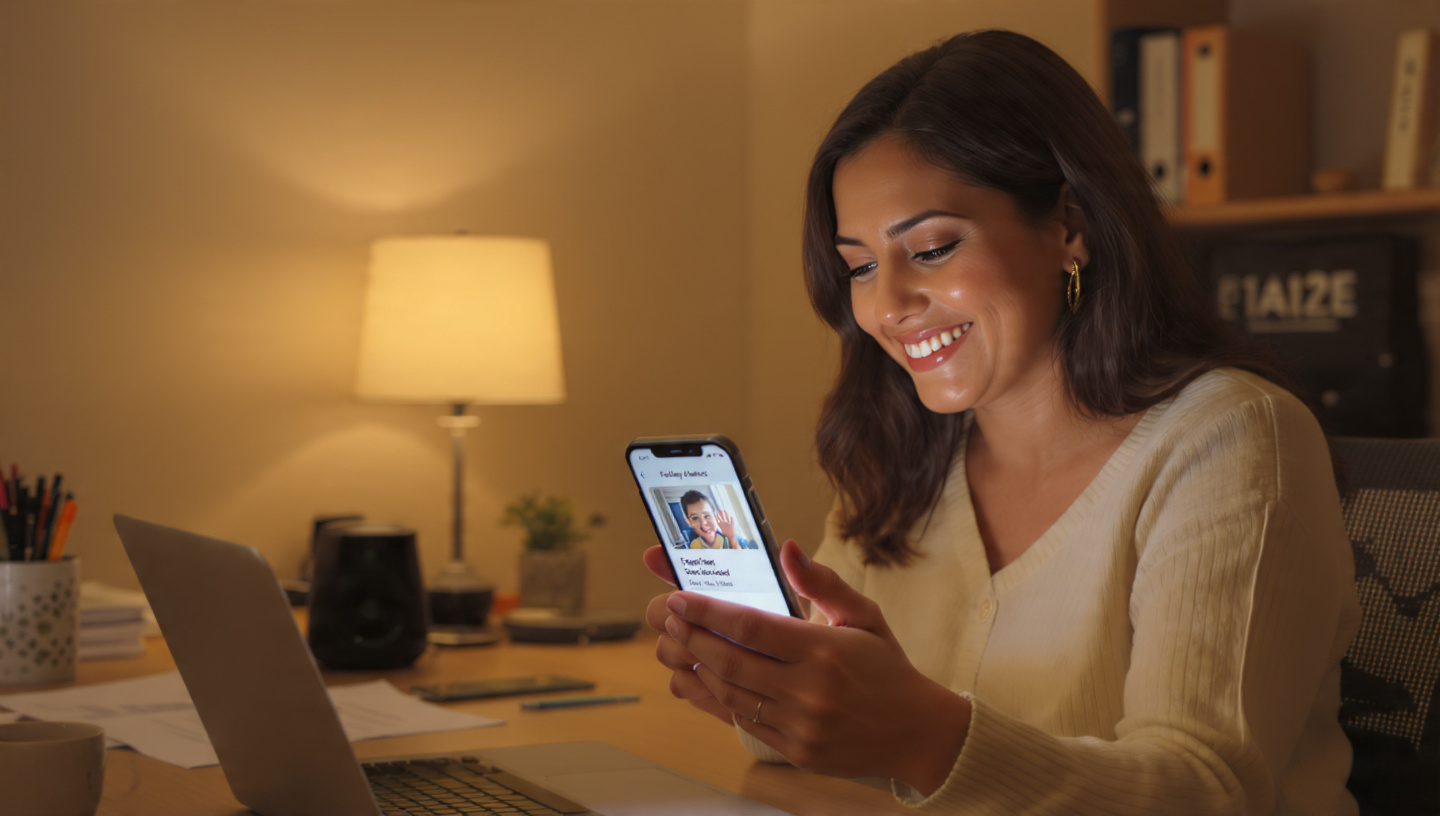
The high-quality two-way audio found in 2026 smart cameras allows for instant, personal communication between family members. A parent can use the camera’s speaker to check in on a child or to offer a quick word of encouragement during the workday.
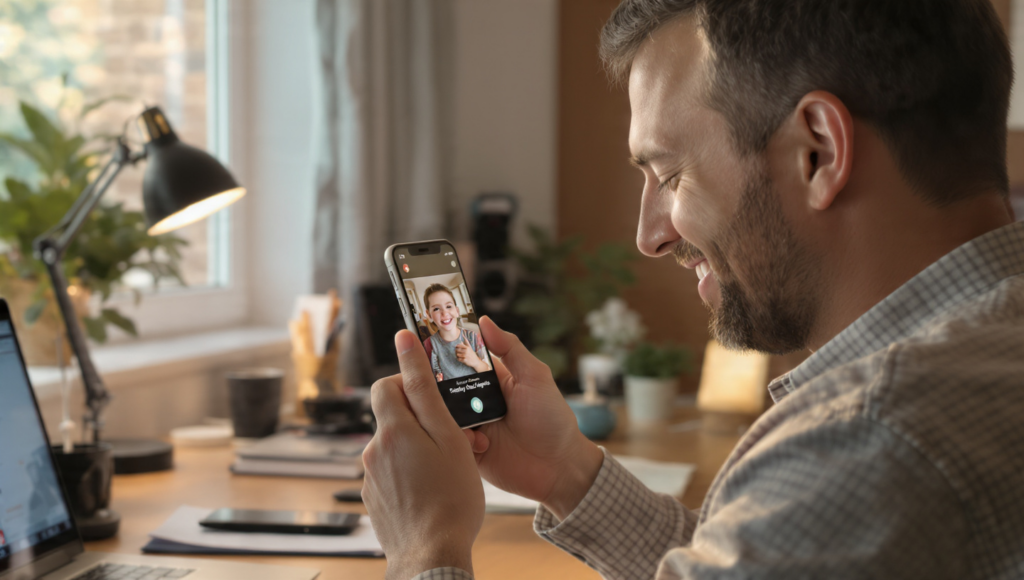
This interactive layer makes the technology feel like a communication platform rather than a surveillance device. It helps bridge the physical distance of a long workday, allowing for small, meaningful interactions that maintain the emotional bond of the household.
For pet owners, this feature is equally personal, allowing them to soothe a distressed animal or offer a remote treat. It ensures that every member of the family—human or otherwise—feels the presence and care of the household, even when the home is physically empty.