
In 2026, the kitchen has evolved into a high-tech hub where convenience meets conscience. Smart kitchen tools are no longer seen as expensive novelties; they have become essential for modern households looking to balance busy schedules with healthy living and environmental goals.
The shift toward these intelligent devices is driven by their ability to provide tangible value—saving time, reducing waste, and making complex cooking techniques accessible to everyone. As these tools become more affordable and integrated, they are fundamentally changing how we shop for, store, and prepare our food.
✨ AI Insight: By 2026, smart kitchens have moved toward “Sentient Environments” where AI proactively adjusts cooling cycles based on your usage habits to save energy.
1. Drastic Reductions in Food Waste
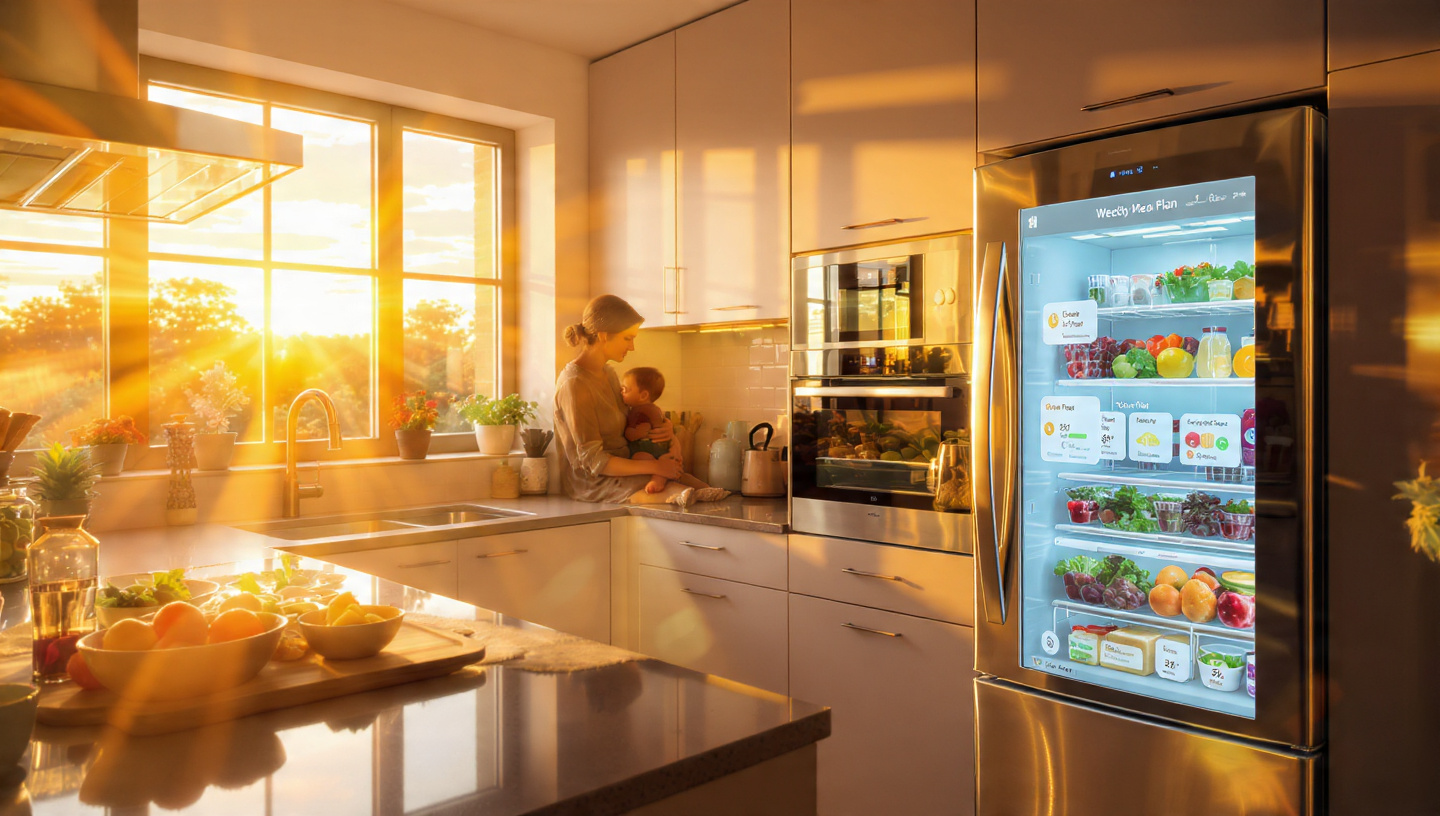
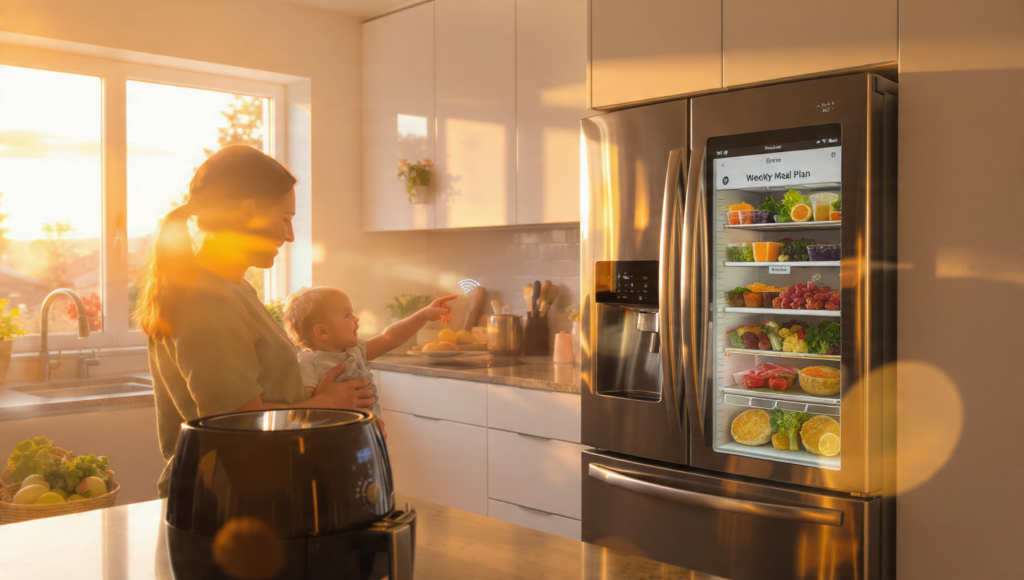
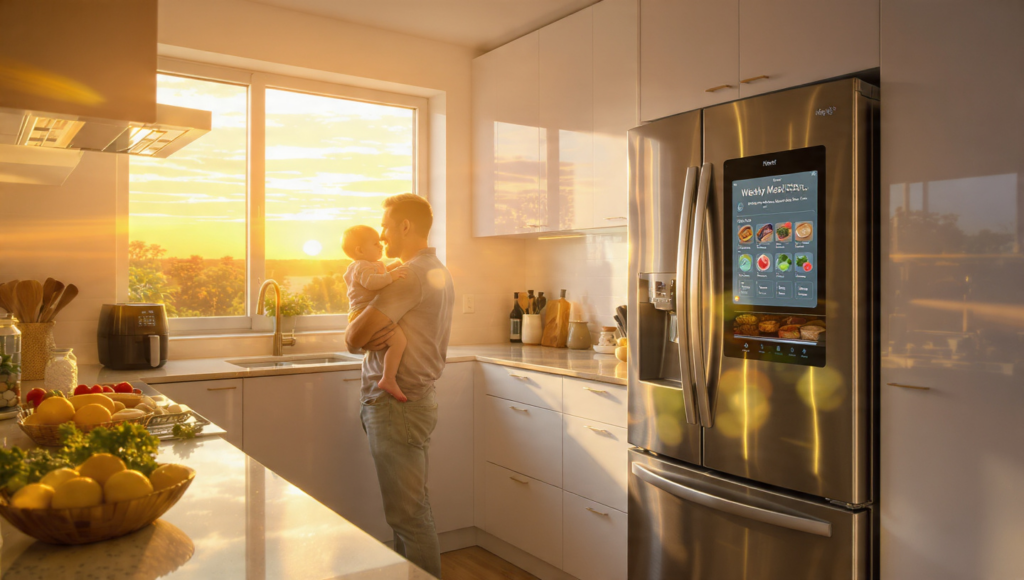
One of the most significant reasons for the popularity of smart kitchen tools in 2026 is their role in sustainability. Smart refrigerators equipped with internal “Vision AI” cameras track expiration dates and send notifications to your phone before food spoils.
These systems can even suggest recipes based on the specific ingredients you already have in stock. This proactive management helps a typical family of four save hundreds of dollars annually by preventing the common problem of letting fresh produce go to waste.
By helping consumers buy only what they need and use what they have, these tools provide a clear financial return on investment. This focus on “Conscientious Cooking” resonates deeply with a generation that prioritizes both their household budget and the planet’s health.
2. Professional Results for Novice Cooks
Smart appliances are democratizing the culinary world by removing the guesswork from difficult dishes. In 2026, smart ovens and hobs use integrated sensors to monitor internal temperatures and moisture levels, automatically adjusting the heat for perfect results.
AI-powered “Sous-Chef” features can now recognize over 12 types of food via camera, setting the ideal cooking parameters for a roast chicken or a delicate soufflé. This ensures that even those with minimal cooking experience can produce restaurant-quality meals at home.
This “Skill-Gap” closure is a major driver for busy professionals who want healthy, home-cooked meals but lack the time for formal training. The technology handles the technical precision, allowing the cook to focus on creativity and flavor while the machine ensures consistency.
3. Reclaiming Time Through Automation
Time-saving is perhaps the most immediate benefit that draws people to smart kitchen tech. In 2026, automated prep tools like AI-powered choppers can dice an entire onion or a bowl of carrots in under 45 seconds, outperforming manual labor by 8x.
Hands-free voice control through assistants like Alexa or Google Assistant allows users to preheat ovens or set timers while their hands are busy with prep work. This seamless interaction removes the small but cumulative frictions that make cooking feel like a chore.
By delegating repetitive tasks to smart machines, homeowners reclaim precious minutes during the evening rush. This allows families to spend less time on manual labor and more time enjoying their meals and connecting with each other after a long day.
4. Enhanced Safety and Peace of Mind
Modern smart hobs and ovens are growing popular because they offer advanced safety features that traditional models simply cannot match. Automatic shut-off sensors can detect when a pot is about to boil over or if a burner has been left on unintentionally.
Remote monitoring through smartphone apps allows you to verify the status of your appliances from anywhere. This “sanity check” is a vital feature for those who often worry about whether they left the stove on after leaving the house for work or vacation.
In 2026, these systems are also being used to monitor the health and habits of elderly relatives who live independently. If a stove hasn’t been used at its regular time, the system can send a subtle check-in alert to a family member, providing a unique layer of care.