

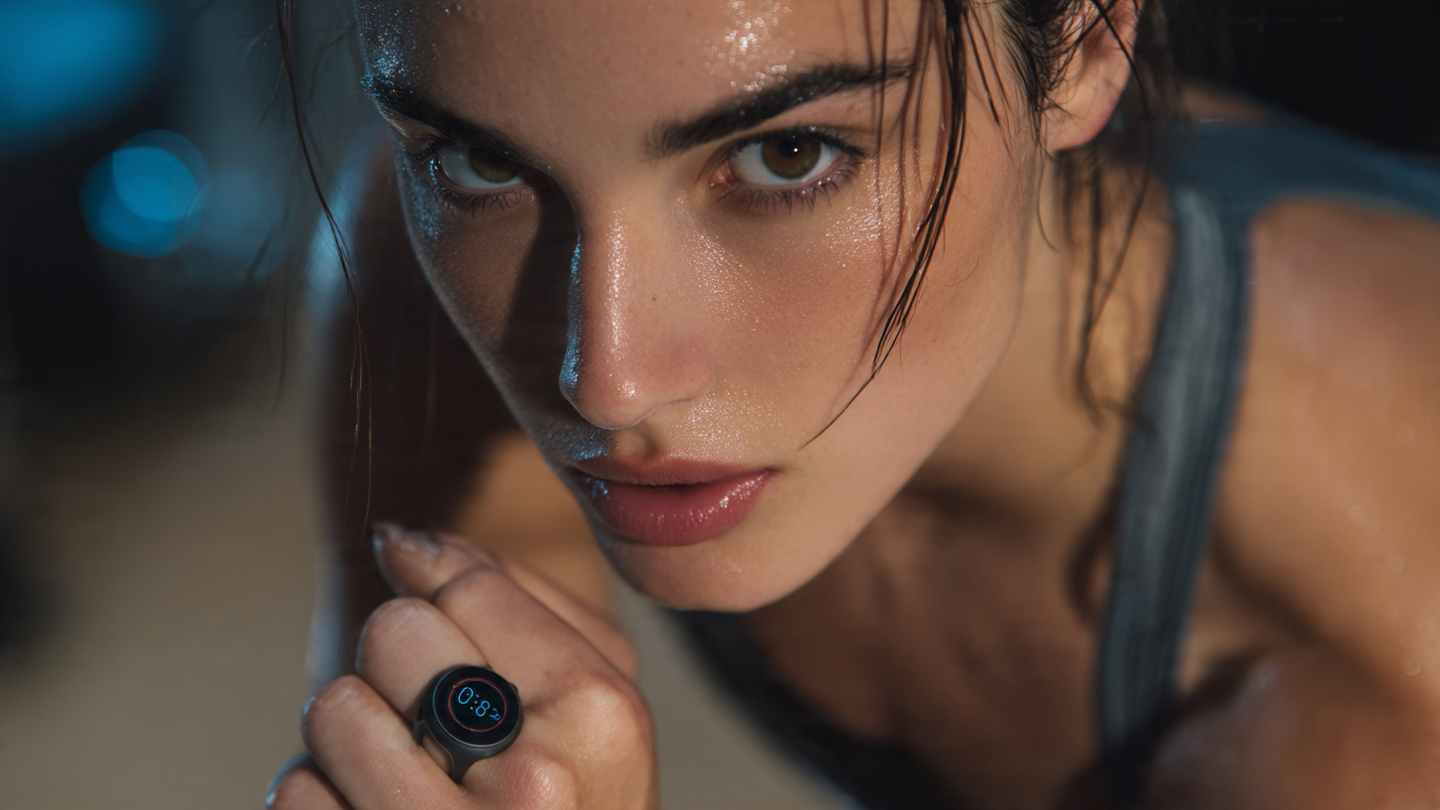
In the contemporary landscape of high-performance health technology, a significant shift is occurring as enthusiasts transition from the glowing displays of wrist-worn devices toward the subtle, powerful capabilities of fitness rings. These minimalist bands have rapidly evolved into sophisticated biological companions that offer a level of intimacy and continuous monitoring that traditional smartwatches struggle to replicate.
The primary appeal of the smart ring lies in its unique ability to provide profound physiological insights without the constant intrusion of digital notifications or screen-based distractions. It effectively transforms the act of health tracking from a reactive, alert-oriented chore into a proactive, invisible partnership that prioritizes long-term systemic wellness over short-term digital engagement.
✨ AI Insight: In 2026, on-device AI uses “Thermal Fingerprinting” to link skin temperature shifts to circadian rhythms, predicting metabolic windows for peak energy.
The Minimalist Antidote to Digital Notification Fatigue
One of the most compelling reasons individuals are gravitating toward fitness rings is their intentional lack of a screen, which serves as a shield against digital noise. For many modern professionals, the “notification fatigue” caused by the constant buzzing and blinking of a smartwatch has become a source of daily cognitive drain.

Fitness rings offer a “Zen” approach to personal data, quietly gathering metrics in the background while allowing the user to check their progress only when they choose to open an app. This screen-free philosophy restores a sense of presence in daily life, proving that technology can be powerful without being demanding of your visual attention.
By removing the digital distractions, the ring becomes a dedicated instrument for wellness rather than a miniature smartphone strapped to the wrist. it appeals to a growing demographic of users who want to be deeply informed about their bodies without being tethered to the endless cycle of the attention economy.
Superior Accuracy Through Advanced Finger-Based Sensing
Technologically, the finger is a vastly superior location for biometric sensing compared to the wrist, where bone structure and tendon movement can often muddle sensor signals. Fitness rings sit close to the digital arteries, allowing their optical sensors to capture much cleaner data for heart rate and blood oxygen levels.
This proximity results in higher fidelity for Heart Rate Variability (HRV), which is the critical metric used for measuring nervous system stress and total recovery. Because the signal is stronger, the integrated AI can detect “micro-fluctuations” that wrist-based trackers might miss, providing a more accurate internal picture.
For those who demand clinical-grade precision in their daily tracking, the ring has quickly become the gold standard for personal data integrity. It offers the reliability of a professional medical instrument within the form factor of a piece of fine jewelry, bridging the gap between high-tech and high-fashion.
The Definitive Tool for Restorative Sleep and Recovery
While smartwatches are often bulky and uncomfortable to wear overnight, the lightweight and ergonomic design of a fitness ring makes it nearly invisible during sleep. This “comfort compliance” is essential for gathering the long-term, uninterrupted data needed to understand complex sleep architecture.
Rings are currently the most effective consumer devices for tracking sleep stages, from deep restorative physical sleep to active REM cycles. They use skin temperature sensors to track the subtle “thermal dips” that occur during rest, providing insights into how your body is recovering from daily exertion.
By providing a morning “Readiness Score,” the ring acts as a strategic advisor for your day, telling you whether to push for a high-intensity output or prioritize rest. This focus on recovery has made the ring a favorite among elite athletes and busy executives who must manage their energy with precision.
Extended Battery Life and Truly Uninterrupted Wear
A major frustration with modern smartwatches is the requirement for near-daily charging, which creates significant gaps in your personal health data. Fitness rings have solved this through extreme energy efficiency, with most leading models lasting between six to ten days on a single, rapid charge.
This extended battery life ensures that your health monitoring is truly “always-on,” capturing the critical data points that occur during the transitions between activity and rest. You no longer have to worry about missing a night of sleep tracking because your device is sitting on a charging puck.
Many rings also come with portable charging cases that hold several additional weeks of power, making them the ultimate companion for travel and outdoor adventures. This level of reliability is a core reason why users are choosing rings as their primary long-term partner for health and longevity.
A Seamless Fusion of Technology and Personal Style
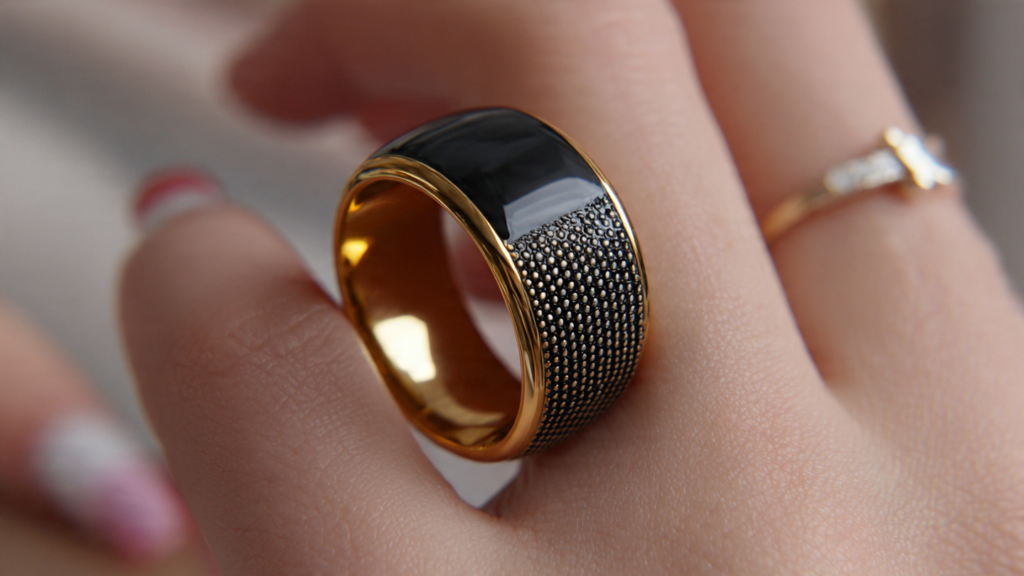
Unlike the industrial look of many fitness trackers, the latest generation of rings is crafted from premium materials like aerospace-grade titanium and scratch-resistant ceramic. They are designed to blend into your personal style, appearing as a standard piece of jewelry rather than a piece of tech.
This “discreet intelligence” allows you to wear the device to formal events, professional meetings, and the gym without ever feeling out of place. It signals a move toward “Invisible Tech,” where the most powerful tools are those that you don’t even notice you are wearing throughout the day.
With finishes ranging from matte black to brushed silver and 24k gold, the fitness ring has become a genuine fashion statement for the health-conscious. It appeals to the aesthetic sensibilities of modern consumers who refuse to sacrifice their personal style for the sake of technological utility.
Future-Proofing Through Proactive AI-Driven Insights
The true value of a fitness ring in the current market is not just the raw data it collects, but how it interprets that data through advanced artificial intelligence. The companion apps for these devices have evolved into “Personal Health Advisors” that identify long-term trends and potential red flags.
By analyzing your biometrics over months, the AI can predict the onset of an illness before you feel any physical symptoms, allowing you to prioritize rest. This predictive capability turns the ring into a proactive insurance policy for your personal health, ensuring you stay ahead of potential biological challenges.
As software continues to advance, the ring will increasingly become the center of a personalized “Bio-Ecosystem” that manages your entire wellness journey. It is the pioneer of a movement where technology doesn’t just record our lives, but actively helps us understand and improve our biological potential every day.
Enhancing Longevity and Daily Behavioral Change
Ultimately, the popularity of fitness rings is driven by their ability to foster genuine, lasting behavioral changes through high-transparency data. By visualizing the direct impact of late-night meals or evening alcohol on your sleep quality, you are empowered to make better lifestyle choices.
The continuous loop of data and personalized insights encourages a more conscious and intentional approach to how you live your life. It fosters a relationship with yourself that is grounded in objective biological facts, helping you move toward a version of yourself that is more resilient.
As we look toward the future, the role of the smart ring as a central coordinator for human longevity will only continue to refine and expand. It remains the most intimate and effective tool for anyone looking to master their internal environment and live with a sense of informed, balanced purpose.