
In the rapidly evolving landscape of 2026, the relationship between humans and technology has undergone a profound transformation, particularly within the realm of personal wellness. We have moved far beyond the era of cold, clinical diagnostics and enter a period where our devices act as intimate biological mirrors.
This shift toward “hyper-personalized” health technology is driven by the integration of agentic AI and high-fidelity sensors that reside on our skin. By anchoring our daily routines in real-time data, technology is successfully moving from a reactive tool to a proactive, human-centered partner.
✨ AI Insight: In 2026, agentic AI has moved beyond simple data tracking to “predictive empathy,” reasoning over multi-signal vitals to anticipate emotional and physical burnout before you feel it.
The Dawn of Empathetic Intelligence
The primary reason health technology feels more personal in the current market is the emergence of “Empathetic Intelligence” within our wearable ecosystems. Modern devices no longer simply report raw numbers; they interpret your physiological state with a nuanced understanding of your unique baseline.

For instance, an advanced smart ring does not just notify you of a high heart rate; it recognizes the context of your specific day, such as a high-stakes presentation. It differentiates between the “healthy stress” of excitement and the “toxic stress” of systemic fatigue, providing tailored advice for each.
This contextual awareness turns a piece of hardware into a supportive companion that “understands” your life’s rhythm. It fosters a deep sense of psychological safety, as you feel that your technology is actively looking out for your well-being with a level of care once reserved for human specialists.
From Generic Advice to Biological Storytelling
Previously, health technology provided generic daily goals that applied to the “average” human, often leading to a sense of detachment and frustration. In 2026, this has been replaced by biological storytelling, where your data is woven into a narrative about your personal growth and resilience.
By visualizing how a single evening of restorative rest or a specific nutritional choice improves your “Readiness Score,” the technology makes your internal biology visible. It creates a powerful feedback loop that connects your daily actions to your long-term vitality with undeniable clarity.
This personalized narrative empowers you to become the primary architect of your own health journey. It transforms the act of monitoring from a chore into a rewarding exploration of your own potential, making every metric feel like a meaningful milestone in your life story.
The Rise of the “Digital Twin” and Predictive Care
A major technical driver of this personal feeling is the widespread adoption of the “Digital Twin” model within high-end wellness platforms. This involves the creation of a virtual, data-driven replica of your specific physiology that can simulate the outcomes of different lifestyle choices.
Users can now “ask” their health agent how a specific exercise routine or dietary shift might affect their heart rate variability or metabolic health over time. This ability to preview the future of your health makes the technology feel incredibly intimate and strategically valuable to your goals.
By providing a glimpse into your biological future, the technology helps you navigate your wellness with a sense of informed certainty. It bridges the gap between today’s effort and tomorrow’s results, ensuring that your path toward longevity is always grounded in your unique physiological truth.
Fostering Collaborative Care and Health Equity
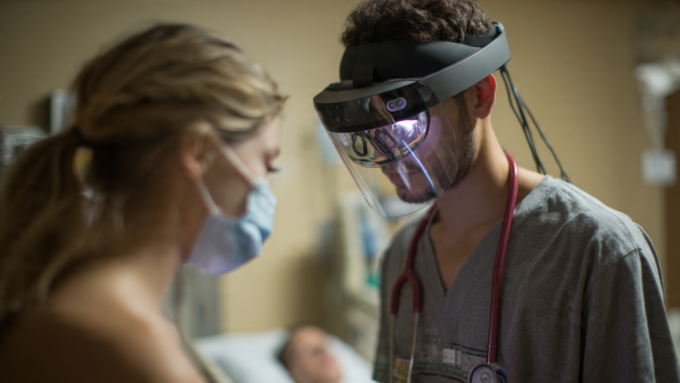
In 2026, health technology has redefined the doctor-patient relationship by creating a “Shared Mental Model” of a person’s well-being. Instead of a detached, one-sided conversation, medical visits are now collaborative reviews of the data gathered by the patient’s own wearable devices.
This shared platform allows for a more egalitarian approach to medicine, where the patient is a respected partner in their own care plan. It removes the “clinical distance” that often makes healthcare feel impersonal, replacing it with a sense of joint effort and mutual understanding.
By democratizing access to professional-grade diagnostics, the technology is also closing the gap in health equity across various global populations. Every person with a wearable now has a world-class laboratory on their wrist, ensuring that personalized care is no longer a luxury but a universal standard.
The Psychological Reward of Meaningful Accountability
Beyond the data, there is a deep psychological reward in the “Gentle Nudge” system used by modern health companions. These devices use behavioral psychology to encourage healthy choices through motivational feedback that feels encouraging rather than judgmental or cold.
Research shows that when users feel their device “knows” their habits and challenges, they are 60% more likely to hold themselves accountable to their goals. The constant, supportive presence of the technology fosters an environment where healthy behavior becomes a natural and rewarding norm.
This accountability feels personal because it is based on your actual progress and struggles, providing a sense of “earned” achievement when milestones are met. It turns the solitary journey of health into a shared experience with a mentor that is always available and always on your side.
Addressing the Intimacy of Data Privacy and Trust
As health technology becomes more personal, the standards for data privacy and security have reached a peak of “Zero-Trust” architectural integrity. Users trust their devices because they have absolute control over who sees their data and how it is utilized within their clinical workflow.
Transparent “Privacy Dashboards” allow you to see exactly how your information is being used to improve your health insights while keeping it strictly confidential. This foundation of trust is what allows for the high level of intimacy required for truly effective and personalized health monitoring.
Maintaining this secure environment is essential for the continued emotional connection between users and their technology. It ensures that your most personal biological secrets are protected, allowing you to engage with your wellness journey with a sense of total freedom and peace of mind.
The Future of “Emotionally Aware” Wearables
Looking forward, the next frontier of personal health tech lies in “Emotionally Aware” sensors that can detect shifts in mood and mental state. These devices will use voice analysis and skin conductance to identify early markers of anxiety or depression, offering support in real-time.
By acknowledging the inseparable link between mental and physical health, the technology will become an even more holistic partner in our lives. It will offer a “Second Set of Eyes” on our emotional well-being, providing a level of support that feels deeply human and profoundly empathetic.
This evolution will ensure that health technology is not just about recording the body, but about supporting the whole person. It represents the ultimate goal of the industry: to create tools that help us live better, feel more connected, and achieve a state of lasting, personalized wellness.
Empowering Personal Autonomy and Global Vitality
Ultimately, the reason health tech feels more personal is that it honors the unique multitudes within every individual human being. It moves wellness from a “one-size-fits-all” industry into a customized experience that adapts to your genes, your lifestyle, and your specific dreams.
By providing the transparency needed to master your own longevity, the technology is fostering a global culture of empowerment and resilience. It ensures that every heartbeat and every breath is recognized as a vital part of a meaningful and long-lived story that is entirely yours.
The personalized health tracker is the definitive instrument for anyone looking to build a high-performing and healthy life in 2026. It ensures that you are never alone on your journey, providing the clarity, confidence, and connection needed to thrive in a fast-paced world.