


The shift from niche tech novelty to mainstream essential is well underway, as fitness rings redefine what it means to live a “connected” life. While smartwatches were the pioneers of the wearable era, fitness rings have captured the public imagination by solving the most common pain points of wrist-based technology: bulk, distraction, and battery anxiety.
In today’s landscape, a fitness ring is no longer just a gadget; it is a sophisticated biological anchor. It provides the high-fidelity transparency needed to master your daily routines without the constant “digital noise” that has become a hallmark of modern smartphone culture.
✨ AI Insight: In today’s market, AI “wellness advisors” now analyze your temperature and HRV trends to predict illness 24 to 48 hours before you feel symptoms.
The Push for “Invisible” Technology
One of the primary drivers of mainstream adoption is the desire for technology that “disappears” into our lives. Many people find the constant buzzing and glowing of a smartwatch to be a source of stress, leading to a phenomenon known as “wearable fatigue.”
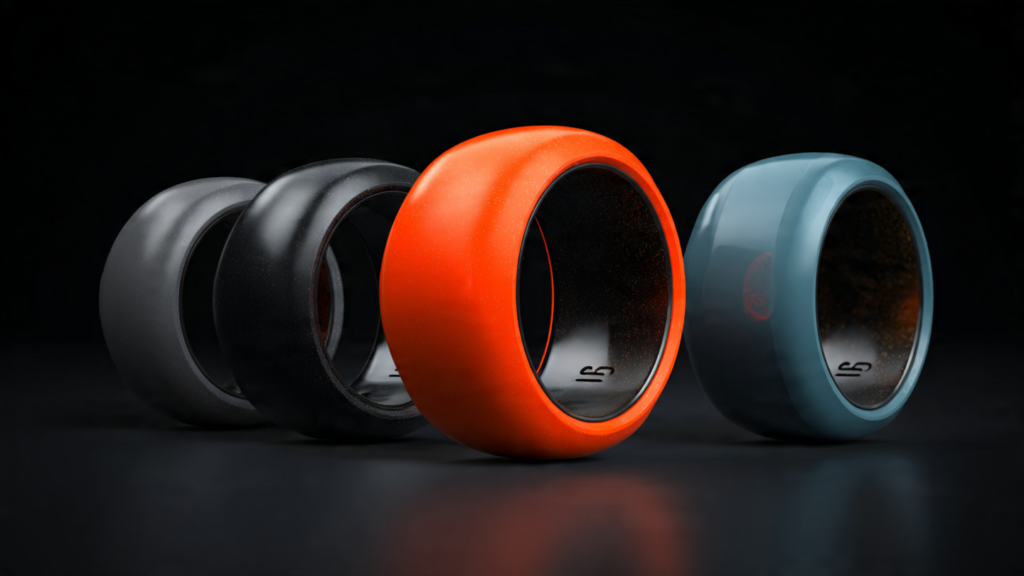
Fitness rings provide the ultimate antidote to this fatigue by offering a screen-free, passive monitoring experience. They gather essential data on your heart rate, sleep, and recovery in the background, allowing you to remain fully present in your physical environment.
This “Minimalist Design” philosophy resonates with users who want the benefits of health tracking without the social or cognitive friction of a screen on their wrist. It signals a move toward technology that supports human presence rather than competing with it for attention.
Superior Accuracy Through Direct Skin Contact
As consumers become more health-literate, they are demanding higher levels of data accuracy, and the finger is an ideal location for biometric sensing. Because the skin on the finger is thinner and the blood flow is more accessible, rings provide cleaner signals than the wrist.
This proximity to the digital arteries allows fitness rings to capture medical-grade insights into heart rate variability (HRV) and blood oxygen (SpO₂). This data is essential for the advanced recovery metrics—like “Readiness” or “Energy Scores”—that people now rely on to plan their days.
The consistent, snug fit of a ring ensures that the sensors do not shift during movement or sleep, eliminating the “data gaps” that often occur with loose watchbands. This reliability is a core reason why serious wellness enthusiasts and athletes are making the switch.
The Strategic Gold Standard for Sleep Tracking
Mainstream popularity has been heavily fueled by the world’s growing obsession with restorative sleep and longevity. A fitness ring is widely considered the most comfortable and effective tool for 24/7 wear, especially during the hours of rest.
Unlike bulky watches that can be jarring to wear to bed, the lightweight titanium build of a ring makes it nearly invisible during the night. This ensures total “User Compliance,” meaning the device is actually on the finger when the most critical recovery data is being gathered.
By providing a detailed breakdown of deep, light, and REM sleep cycles, the ring empowers users to see the direct impact of their daily choices. This feedback loop is what makes the technology so addictive; it turns the abstract goal of “better sleep” into a measurable and achievable reality.
Breaking Free from Daily Charging Rituals
A major barrier to the adoption of smartwatches has always been their limited battery life, often requiring a charge every 24 to 48 hours. Fitness rings have effectively removed this hurdle by offering between five to ten days of power on a single charge.
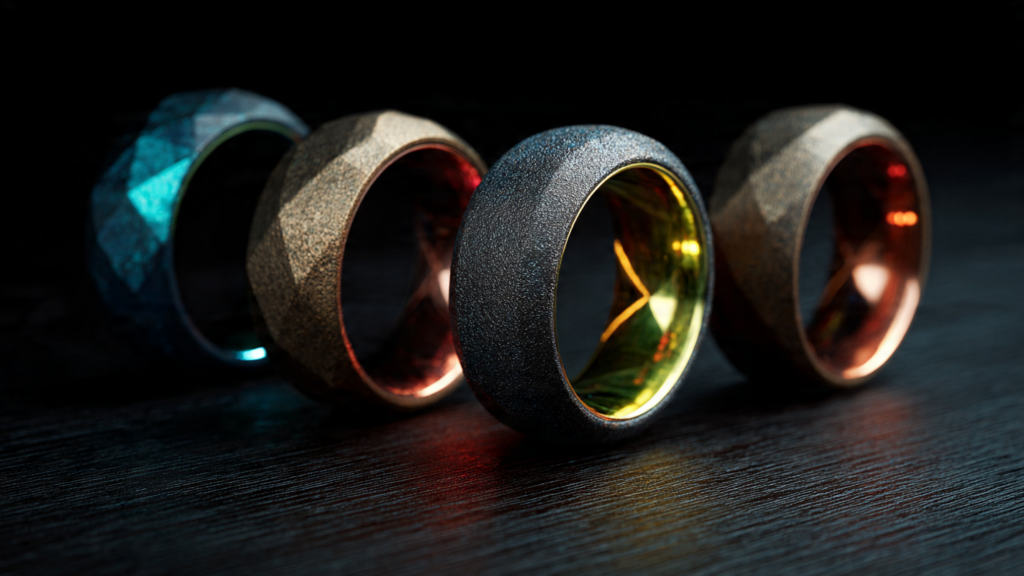
This extended longevity means you can go an entire week—including multiple workouts and every night of sleep—without ever taking the device off. It fosters a “set-it-and-forget-it” relationship with your health data that a power-hungry smartwatch simply cannot match.
Portable charging cases, which often hold several additional weeks of power, have made these rings the perfect tool for travelers and busy professionals. This level of physical reliability is a significant factor in why rings are moving from “tech-enthusiast curiosity” to “legitimate category.”
A Seamless Fusion of Tech and Personal Style
The aesthetic evolution of smart rings has been a critical component of their mainstream success. Today’s rings are crafted from premium materials like aerospace-grade titanium and gold-plated finishes, looking more like high-end jewelry than electronic equipment.
This “Discreet Intelligence” allows the device to be worn in any setting—from a high-level boardroom meeting to a formal gala—without looking out of place. It appeals to users who value style and individuality, offering a way to track health that doesn’t scream “tech.”
By offering various finishes like brushed silver, matte black, and rose gold, manufacturers have turned the fitness ring into a genuine fashion statement. It allows users to express their personality while maintaining a constant connection to their biological performance.
The “Ecosystem Effect” and Big Tech Entry
The entry of major players like Samsung into the ring market has provided a massive boost to the category’s mainstream credibility. When a global tech giant integrates a ring into its wider health platform, it signals that the form factor is here to stay.
These ecosystem integrations allow the ring to work in tandem with other devices, such as a smartphone or a watch, to provide a “Holistic Health Picture.” This multi-device approach ensures that you always have the most accurate data available, regardless of your activity.
As more companies develop “Subscription-Free” models, the barrier to entry continues to drop for the average consumer. This shift toward affordable, easy-to-use technology is what is ultimately driving the fitness ring into the hands—and onto the fingers—of the general public.
Proactive Wellness and Early Illness Detection
Finally, the shift toward “Preventive Care” is perhaps the most profound reason why fitness rings have become essential. By tracking skin temperature and HRV with extreme sensitivity, these rings can often detect the onset of an illness before you feel a single symptom.
This “Biological Forecasting” provides a level of personal autonomy that was previously impossible for the average person. It encourages the healthy habit of taking immediate, corrective action—like resting or hydrating—at the exact moment your body needs it most.
Knowing that your device is acting as a silent sentinel for your health provides a deep sense of psychological and physical security. It ensures that you are always in control of your vitality, making the fitness ring a life-saving instrument for the modern era.