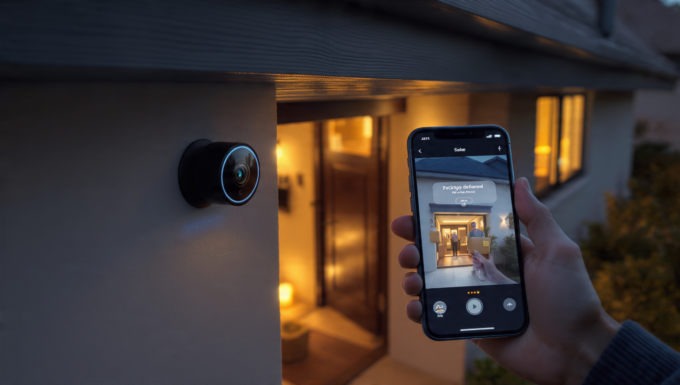

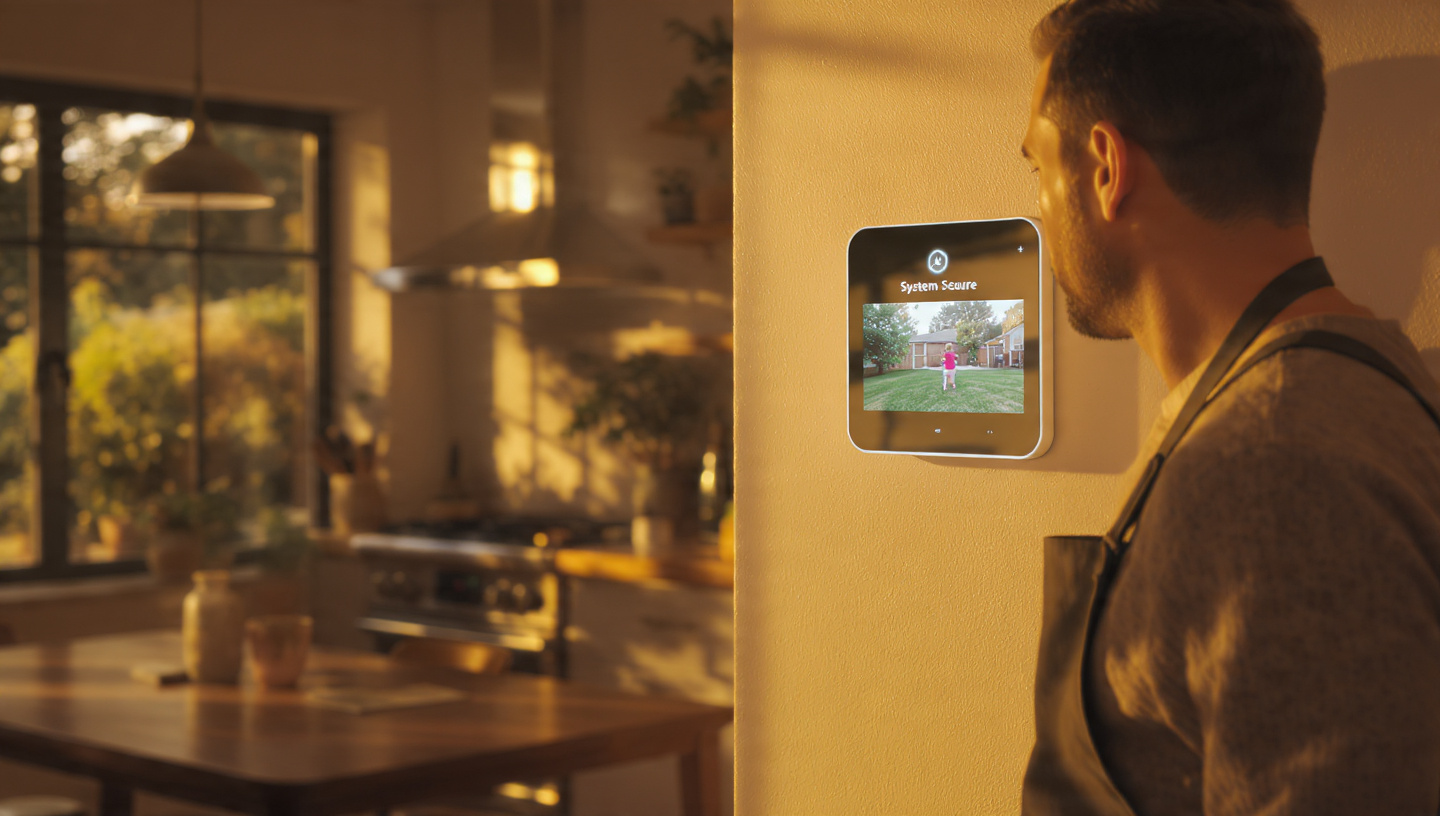
In 2026, the adoption of smart security systems by families has moved beyond simple protection of property to a focus on “active caretaking.” For modern households, these systems function as a secondary set of eyes and ears that help manage the complex logistics of a busy family life. From monitoring the arrival of children after school to ensuring the safety of elderly relatives and pets, smart security provides a level of interactive awareness that traditional alarms cannot match.
The shift toward family-centric security is driven by the desire for “Background Reassurance.” Families in 2026 value technology that integrates seamlessly into their daily routines, offering subtle alerts rather than intrusive noise. It turns the home into a supportive environment where parents feel more in command, even when they are physically at work or traveling.
✨ AI Insight: Smart security in 2026 uses “Person Recognition” to send personalized alerts when specific family members arrive home, ensuring children are safe without flooding parents with generic motion noise.
1. Bridging the Gap in Child Safety and Supervision
The most common reason families upgrade to smart security is the ability to maintain a connection with their children throughout the day. In 2026, high-definition indoor cameras and video doorbells allow parents to visually verify that their children have arrived home safely from school. This “visual check-in” provides immediate peace of mind and reduces the anxiety of the “latchkey” hours.
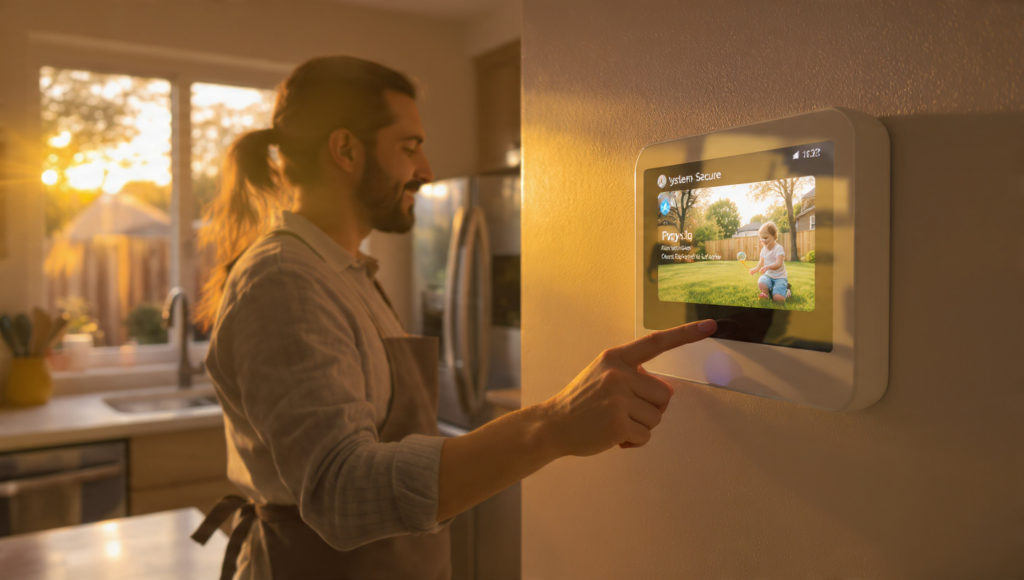
Two-way audio features also allow for instant communication between parents and children without the need for a smartphone. A parent can use the camera’s speaker to remind a child to start their homework or to check in on a teenager in another room. This interactive layer makes the technology feel like a communication tool rather than a surveillance device, fostering a sense of shared safety.
For families with toddlers, motion and contact sensors provide an extra layer of protection against curiosity. Sensors placed on medicine cabinets, cleaning supply closets, or basement doors send instant alerts if a child explores a restricted area. This proactive “environmental awareness” helps prevent accidents before they happen, allowing parents to focus on other tasks with more confidence.
2. Interactive Pet Monitoring and Wellness
In 2026, pets are considered integral members of the family, and smart security systems reflect this by offering dedicated pet-care features. Families choose these systems to monitor their pets’ behavior, ensuring they are safe, comfortable, and not engaging in destructive activities while the house is empty. This long-distance connection is essential for reducing separation anxiety for both the owner and the animal.
Advanced AI can now distinguish between a human intruder and a family dog, significantly reducing the number of false alarms. Some systems even feature “Bark Detection,” which alerts the owner if a dog is in distress or if there is an unusual disturbance in the neighborhood. This targeted awareness ensures that the family is only notified when there is a meaningful event that requires their attention.
Many cameras also include interactive features like treat dispensers or laser toys that can be controlled via an app. This allows family members to play with their pets or offer a reward during a lunch break, maintaining a bond even during long workdays. It transforms the security system into a wellness platform that contributes to the overall happiness and health of the household’s animals.
3. Remote Management for Busy Lifestyles
Busy families appreciate the way smart security simplifies the logistical management of their home. In 2026, the use of smart locks and temporary access codes has become the standard for managing “service entries.” Parents can remotely unlock the door for a trusted nanny, a tutor, or a delivery driver without having to share a physical key or be home themselves.
This digital control extends to coordinating the “arrival and departure” cycles of the entire household. A single app allows parents to see a log of exactly who has entered or exited the home and at what time. This transparency is particularly useful for managing the schedules of teenagers and ensuring that the home is always properly locked and secured at night.
The integration with other smart devices also allows for “Arrival Scenes” that make the home feel more welcoming. As the system detects a family member’s phone approaching, it can automatically disarm the alarm, turn on the hallway lights, and adjust the thermostat. This automation removes the small but cumulative stresses of returning home after a long day, making the transition back into family time much smoother.
4. Proactive Defense Against Environmental Hazards
True family security in 2026 encompasses more than just protection from intruders; it includes the early detection of environmental threats like fire, gas, and water damage. Smart smoke and carbon monoxide detectors provide specific voice alerts that identify the location and type of danger, which is vital for helping children and elderly relatives respond correctly during an emergency.
Water leak sensors are another highly valued tool for families, as they can prevent catastrophic property damage and the subsequent disruption of family life. These sensors are typically placed near washing machines, water heaters, and under sinks, sending an instant alert if even a small amount of moisture is detected. Some systems can even automatically shut off the main water valve to prevent a minor leak from becoming a major flood.
By protecting the “infrastructure” of the home, these systems ensure that the family’s sanctuary remains intact and functional. The cost of a few sensors is a small price to pay for avoiding the financial and emotional stress of a home renovation due to water or fire damage. It is a form of preventative security that focuses on long-term stability and the preservation of the family environment.