
Wearables
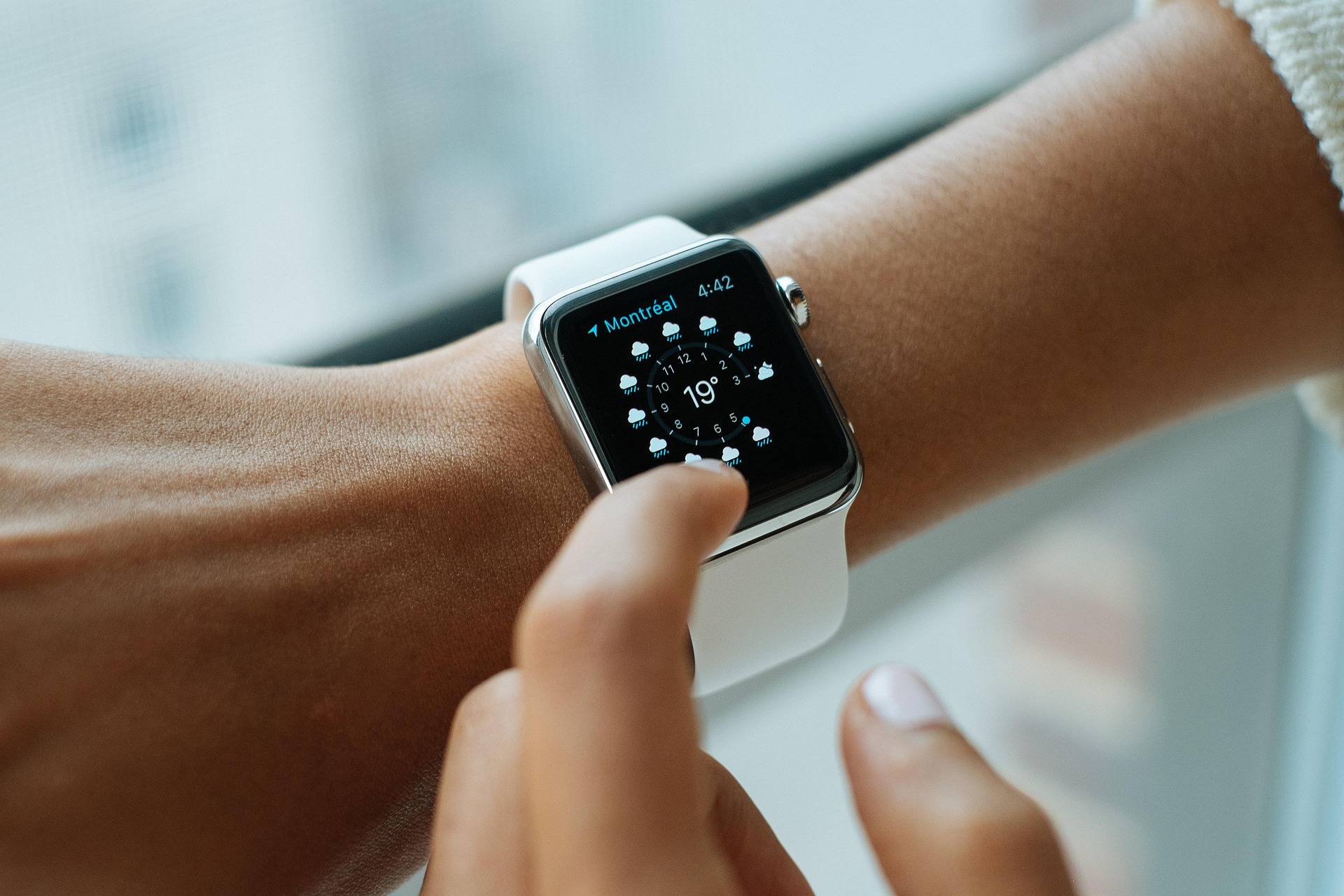
Wearables tend to enter daily life quietly. A watch replaces a watch. A ring replaces a ring. A band slips on during a workout and stays there afterward. Over time, these devices stop feeling like technology and start feeling like part of a routine that no longer requires much thought.
What defines wearables today is not their novelty, but their proximity. They stay close to the body, collect small signals continuously, and offer feedback that blends into everyday decision-making rather than interrupting it.
What Wearables Actually Do
At a practical level, wearables are sensors paired with software. They track movement, time, basic physiological signals, and patterns across days rather than moments. Steps, sleep duration, activity levels, and notifications are among the most common functions.
What matters is not any single data point, but accumulation. Wearables are designed to observe trends, not events. They notice regularity, deviation, and repetition, then surface that information in simplified form.
Most users interact with this data briefly—glancing at summaries rather than analyzing raw numbers. The device does the watching so the person does not have to.
✨ AI Insight:
As sensors became smaller and software more efficient, wearables blended into daily routines by offering pattern awareness without requiring constant attention.
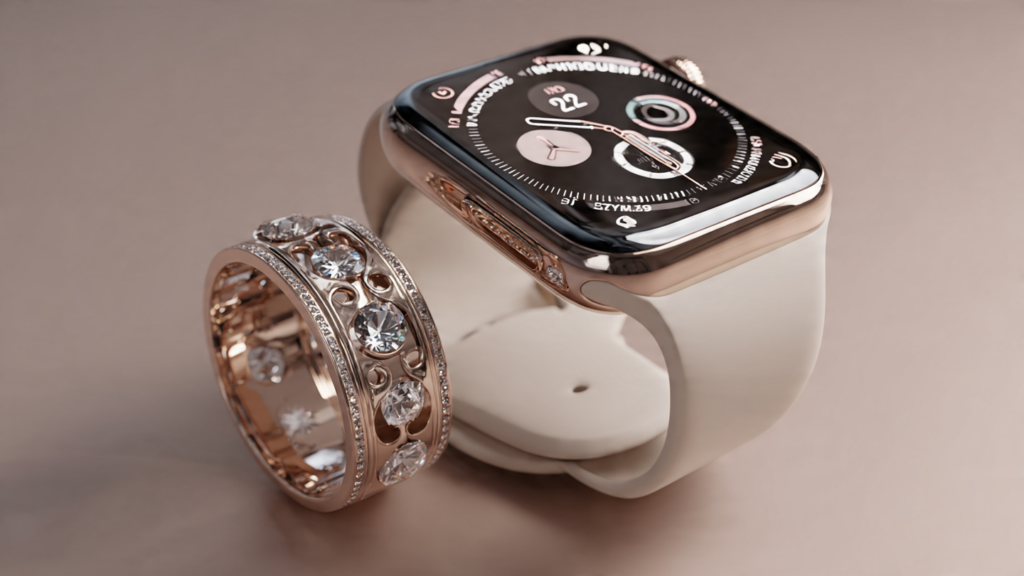
Wearing Without Thinking About It
Successful wearables are those that disappear into habit. Once charged, adjusted, and fitted, they require little daily interaction. The best signal of adoption is forgetfulness—when the device is only noticed if it is missing.
This invisibility is intentional. Devices that demand frequent input or explanation tend to be abandoned. Wearables succeed when they stay out of the way, offering information passively and predictably.
Much like glasses or watches before them, modern wearables earn trust by being consistent rather than impressive.
Small Feedback, Not Big Conclusions
One of the defining characteristics of wearables is restraint. They do not provide answers; they provide signals. A notification may suggest more movement today. A summary may show shorter sleep than usual.
These cues are directional, not declarative. They prompt reflection rather than instruction. Most users treat them as reference points rather than rules.
This approach fits naturally into everyday life. Information is available, but interpretation remains personal. The wearable informs without taking control.
Wearables and Everyday Motivation
Wearables often influence behavior indirectly. Seeing progress over time can reinforce habits without requiring deliberate goal-setting. Consistency becomes visible, and gaps become noticeable.
This effect is subtle. Motivation comes not from pressure, but from awareness. When patterns are visible, choices feel more informed, even if behavior does not change dramatically.
Importantly, wearables do not demand optimization. They accommodate variability—rest days, busy weeks, inconsistent schedules—without labeling them as failures.
Design That Prioritizes Comfort
Physical comfort plays a central role in wearable adoption. Devices that are heavy, rigid, or visually intrusive struggle to remain in use. As designs have become smaller and materials more flexible, wearables have integrated more easily into daily wear.
This shift reflects a broader principle: technology that stays close to the body must respect the body’s rhythms. Wearables that succeed tend to adapt to the wearer, not the other way around.
A device that can be worn all day without adjustment is more valuable than one with additional features that disrupt comfort.
Data Without Obsession
While wearables generate continuous data, most users engage with it selectively. Daily summaries, weekly trends, and occasional alerts are enough. Constant monitoring would be unsustainable.
This balance helps prevent overload. Wearables work best when they surface only what is useful in the moment, leaving deeper exploration optional.
The goal is awareness, not fixation. When data becomes background information rather than a focal point, it supports rather than dominates routine.
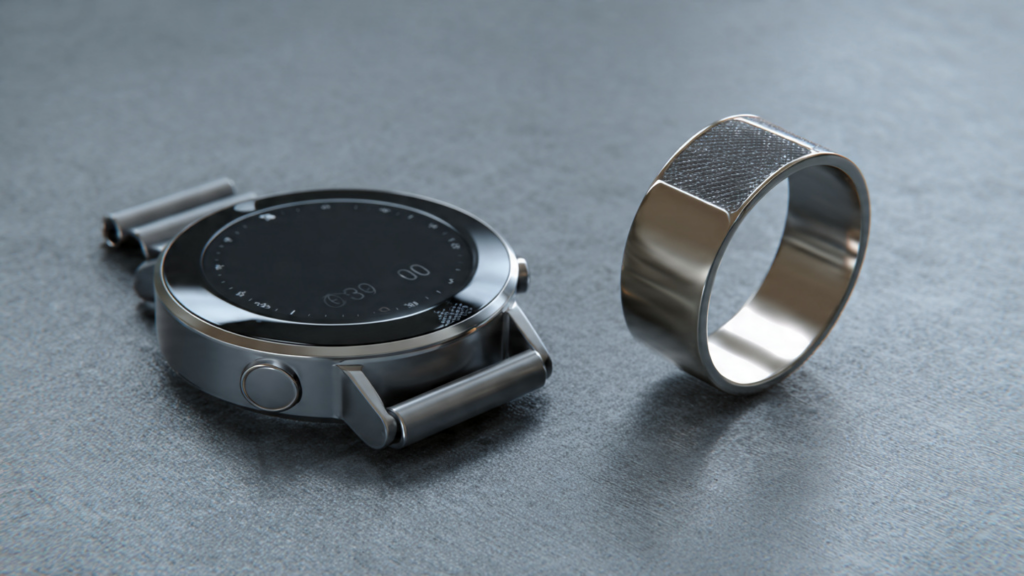
Integration With Other Devices
Wearables rarely function alone. They connect to phones, headphones, and sometimes home devices. Notifications arrive quietly. Controls become accessible without reaching for a screen.
This integration reduces friction. Small actions—checking the time, dismissing a notification, starting a timer—can happen without breaking focus.
Over time, these micro-interactions reshape how people move through their day, shaving seconds rather than changing behavior outright.
Wearables in Shared Spaces
Unlike phones, wearables are often visible to others. This visibility affects how they are designed and used. Subtlety matters. Devices that blend with clothing or accessories are more likely to be worn consistently.
Social acceptance plays a role in longevity. Wearables that look neutral tend to outlast those that feel experimental. Familiar forms—watches, rings, bands—help technology blend into existing norms.
The result is less performance, more practicality.
Maintenance and Longevity
Wearables require basic maintenance: charging, updates, occasional replacement. Their usefulness depends on reliability rather than constant novelty.
Devices that maintain stable performance over time are more likely to remain part of daily life. Feature additions matter less than battery life, comfort, and predictability.
As with many everyday tools, longevity is the true measure of value.
Why It Matters
Understanding wearables as everyday companions rather than health or productivity systems clarifies their role. They succeed not by changing behavior dramatically, but by offering steady context over time.
For users, this means information without obligation. For designers, it means prioritizing comfort, clarity, and restraint.
Beyond technology, wearables reflect a broader shift toward tools that support awareness rather than control—tools that fit into life rather than asking life to adapt.
A Technology That Stays Close
Wearables do their work quietly. They observe, summarize, and step back. When effective, they feel less like devices and more like extensions of routine.
As they continue to evolve, their success will likely depend on staying unobtrusive—remaining close enough to matter, but subtle enough to be forgotten. In that balance, wearables find their place in everyday life.