
The landscape of wearable technology is currently undergoing a radical transformation, moving away from simple data collection toward deep, actionable intelligence. Consumers are no longer satisfied with basic step counters; they are demanding sophisticated instruments that offer a comprehensive view of their internal biology.
This shift is characterized by a move toward clinical-grade diagnostics and a design philosophy that prioritizes elegance over industrial bulk. As these devices become more powerful, they are disappearing into our daily attire, acting as a silent, vigilant guardian of our long-term wellness.
✨ AI Insight: Modern wearables utilize “Multi-Signal Fusion” to link breathing patterns and movement, predicting illness days before physical symptoms appear.
The Dawn of Clinical-Grade Diagnostics
The most prominent trend in the current market is the integration of medical-grade sensors that offer far more than just fitness tracking. People are increasingly noticing features like FDA-cleared hypertension alerts and sophisticated sleep apnea detection systems.
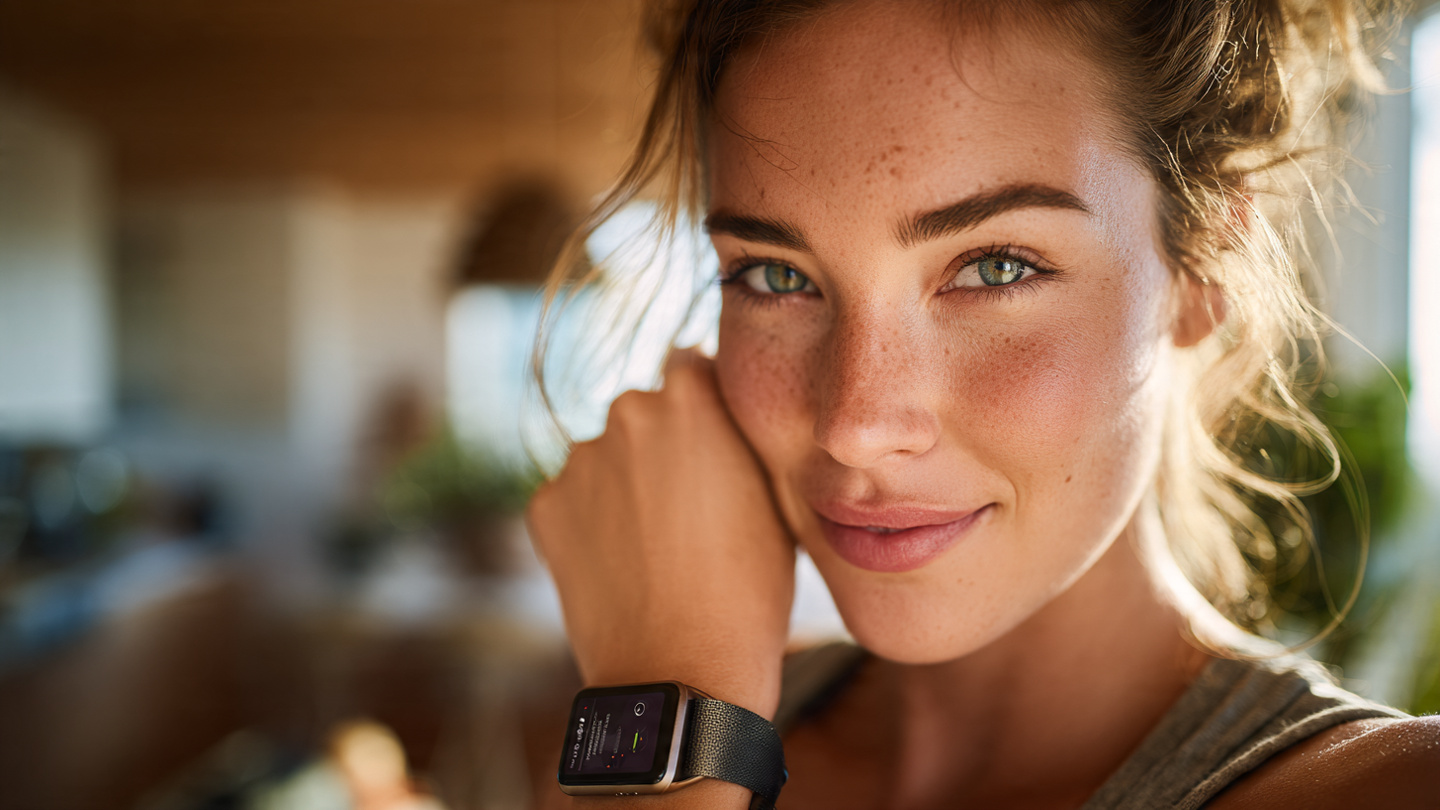
These tools have transformed the watch into a proactive health partner that monitors for irregular heart rhythms and blood oxygen shifts twenty-four hours a day. This transition toward “Preventive Care” provides users with a profound sense of security and personal autonomy.
By establishing a personalized baseline, the device can flag potential medical issues long before they require an emergency room visit. This democratization of high-level health data is fundamentally changing how individuals interact with their own physiological well-being.
AI-Driven Hyper-Personalization and Coaching
A major trend that users are talking about is the end of the “one-size-fits-all” approach to fitness and recovery goals. Through deep integration with advanced neural engines, watches now provide coaching that adapts to your specific stress and recovery levels.
If you had poor sleep, your watch might suggest a light restorative session instead of a planned high-intensity interval workout. This “Contextual Intelligence” ensures that your training and rest are always perfectly balanced to prevent physical burnout.
This level of personalization turns the wearable into a dedicated personal trainer that understands your unique biological limits. It encourages a more sustainable approach to fitness that respects the body’s need for recovery as much as its need for exertion.
The Shift Toward “Quiet Luxury” and Minimalist Design
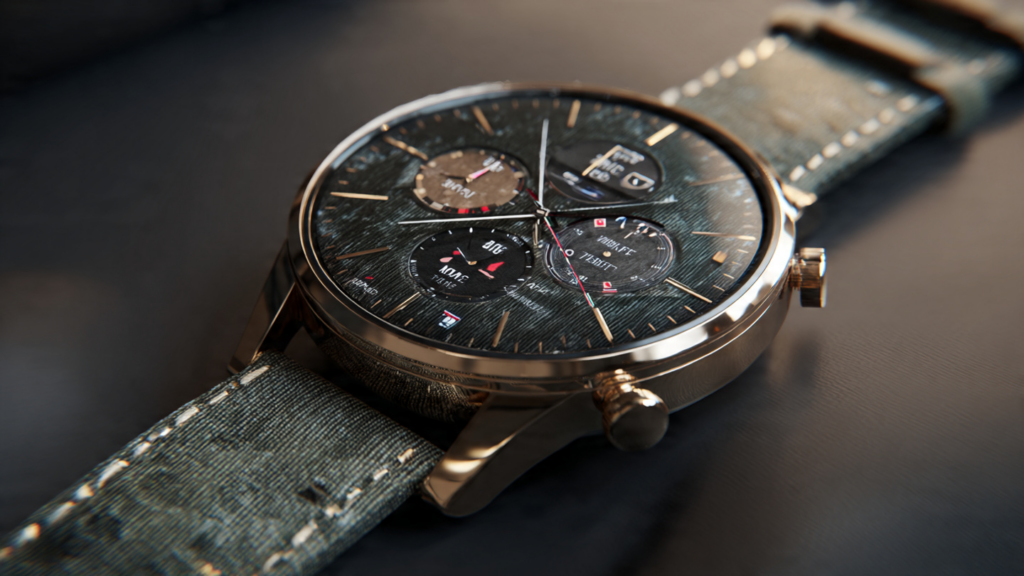
In terms of aesthetics, there is a visible movement away from bulky, tech-heavy designs toward a philosophy of “Quiet Luxury.” People are opting for ultra-slim profiles and premium materials like aerospace-grade titanium and sapphire crystal.
This design trend allows the wearable to transition seamlessly from a morning workout to a high-level professional boardroom meeting. The focus is now on “invisible technology,” where the sensors are powerful but do not dominate the wearer’s personal style.
Manufacturers are prioritizing traditional horological elements, such as physical crowns and leather straps, to appeal to fans of classic timepieces. This fusion of heritage craftsmanship and cutting-edge innovation makes the smartwatch a permanent fixture in modern fashion.
Autonomous Connectivity and Off-Grid Reliability
The industry is seeing a massive uptick in devices that offer total independence from the smartphone through dedicated cellular links. With the introduction of Emergency Satellite SOS, users can now stay connected even in the most remote and challenging locations.
This “Off-Grid Reliability” is a major trend for outdoor enthusiasts who require a safety net during wilderness expeditions. Knowing that you can send a distress signal without a cellular signal provides a profound level of psychological comfort and physical safety.
These features have turned the smartwatch into a critical insurance policy for personal security in an unpredictable world. It ensures that help is always within reach, whether you are in a crowded city or deep in a national park.
Seamless Smart Home and Ecosystem Orchestration
Finally, the smart watch is being recognized for its role as the primary remote for the integrated, Matter-enabled smart home. Users are increasingly using their watches to trigger complex routines, such as unlocking the front door and adjusting the climate.
This “Ecosystem Synergy” makes the watch the central hub of a person’s life, coordinating everything from home security to personal productivity. It removes the friction of daily tasks, allowing you to manage your environment with a simple gesture.
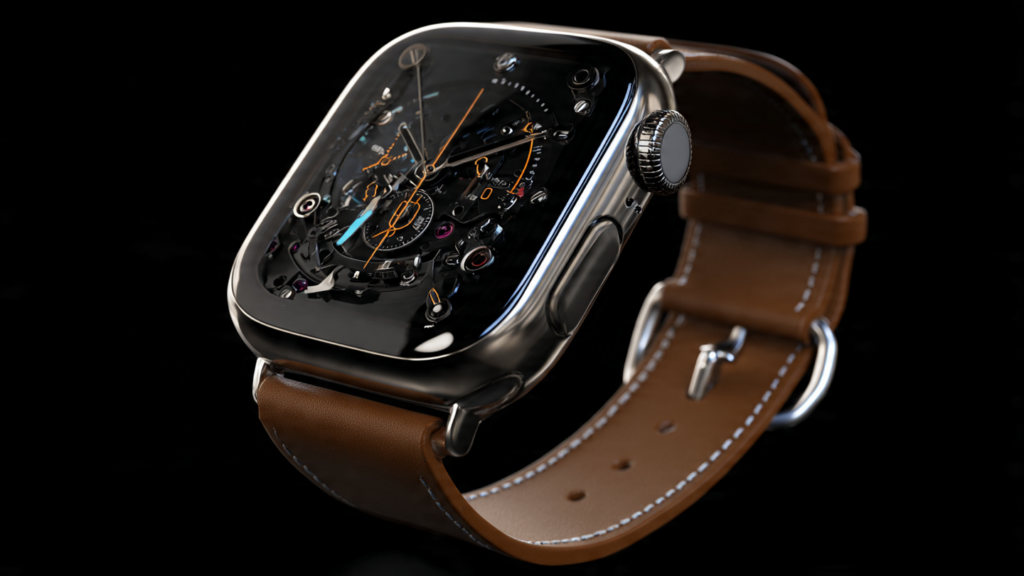
The watch acts as a bridge between your physical location and your home’s environmental settings, ensuring a seamless transition. This level of automation turns your residence into a responsive partner that anticipates your needs based on your proximity.
Predictive Wellness and Early Detection
Another trend gaining traction is the use of wearables for early illness detection through subtle shifts in skin temperature and heart rate. Users are noticing that their watches can often predict a coming fever or cold before the user feels any physical discomfort.
This predictive capability allows individuals to adjust their schedules and prioritize rest earlier, potentially shortening the duration of an illness. It represents a move toward “Biological Forecasting,” where technology helps us stay ahead of our body’s internal challenges.
By analyzing thousands of data points over time, the device builds a highly accurate profile of what “normal” looks like for the individual. Any deviation from this baseline is immediately flagged, providing a level of self-awareness that was previously impossible.
The Expansion of “Always-On” Safety Features
Safety has become a non-negotiable feature, with fall detection and crash detection now being utilized by a much wider demographic. Elderly users and solo athletes alike rely on these sensors to automatically contact emergency services in the event of an accident.
This “Passive Security” works in the background, providing peace of mind without requiring any active input from the wearer. It is a trend that emphasizes the watch’s role as a life-saving instrument rather than just a convenient digital notification center.
As these algorithms become more refined, they are able to distinguish between a minor tumble and a serious fall with incredible accuracy. This reliability is a core reason why wearables are becoming a standard recommendation for those living alone or in remote areas.
Environmental Stewardship and Sustainable Materials
A final trend that people are noticing is the move toward carbon-neutral manufacturing and the use of recycled materials in watch construction. Consumers are increasingly choosing brands that prioritize environmental stewardship alongside technological innovation.
From recycled aluminum casings to ocean-bound plastic straps, the “Green Wearable” is becoming a significant factor in purchasing decisions. This reflects a broader societal shift toward conscious consumption and the desire for technology that does not harm the planet.
This commitment to sustainability ensures that the growth of the wearable market is matched by a decrease in its ecological footprint. It aligns the pursuit of personal health with the health of the global environment, creating a more responsible tech ecosystem.