
The contemporary smartwatch has moved far beyond its origins as a secondary screen for mobile notifications. Today, it stands as a sophisticated, standalone health and productivity engine that actively participates in every facet of a modern routine.
As hardware becomes more powerful and sensors achieve clinical-level accuracy, users are moving away from simple step counting. The most utilized functionalities now center on proactive wellness diagnostics, AI-driven personal coaching, and autonomous communication.
✨ AI Insight: Modern wearables utilize on-device neural engines to translate raw physiological shifts into real-time coaching for stress management and cognitive recovery.
1. Advanced Health and Clinical-Grade Monitoring
The most significant driver for daily wearable usage is the transition toward professional-grade health diagnostics available on the wrist. Features like FDA-cleared hypertension alerts and irregular heart rhythm notifications are now standard expectations for high-performing devices.
Users no longer simply record raw data; they depend on the device to identify potential medical concerns before they manifest as physical symptoms. This constant vigilance provides a layer of preventive care that was previously only accessible in a professional medical setting.
Advanced sensors now monitor blood oxygen levels, skin temperature, and even sleep apnea indicators with high precision throughout the night. This continuous stream of biological data empowers people to make informed, data-backed decisions about their long-term vitality.
2. AI Coaching and Personalized Wellness Metrics
The integration of advanced artificial intelligence has turned the smartwatch into a dedicated coach that understands your unique biology. People are increasingly relying on “Energy Scores” and “Readiness Metrics” to plan their professional and physical days effectively.
Instead of generic advice, AI coaching analyzes your recovery, stress levels, and previous physical output to suggest specific activities or rest. This context-aware guidance helps users avoid burnout and optimize their performance based on real-time physiological feedback.
By grounding their schedule in objective recovery data, users can manage their output with surgical precision. It removes the guesswork from daily wellness, ensuring that every session is tailored to the body’s current state of readiness and strength.
3. Seamless Communication and Independent Connectivity
Connectivity has reached a peak where smartwatches are no longer dependent on a nearby smartphone to stay functional. With the standard inclusion of independent cellular and even satellite SOS features, users rely on their watches for calling and texting in any environment.
The ability to send high-priority messages or emergency signals in remote areas provides a massive sense of security for travelers and outdoor enthusiasts. This “off-grid” capability ensures that you are never truly disconnected, even when exploring areas without traditional service.
Furthermore, advanced voice-to-text engines allow for “eyes-free” productivity, making it easy to handle professional replies while on the move. This hands-free control keeps you present in your surroundings while ensuring that no critical task or message is forgotten.
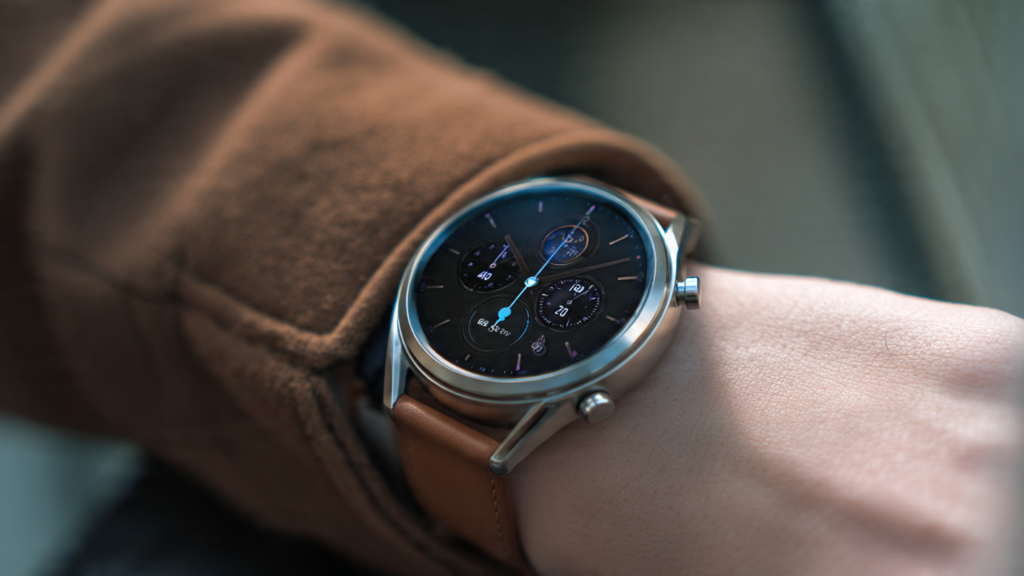
4. Frictionless Payments and Smart Ecosystem Control
The convenience of “Tap-to-Pay” technology remains one of the most consistently used features for daily errands and commuting. By storing digital wallets and transit passes on the wrist, users can navigate the world without the need for a physical wallet or phone.
Additionally, smartwatches now act as the primary remote for the integrated living space through universal communication standards. People use their watches to unlock front doors, adjust thermostats, and dim lights as they move through their homes, creating a hands-free experience.
This elimination of physical logistics provides a feeling of agility and freedom as you navigate the complexities of modern life. It represents a significant step toward a “wallet-less” lifestyle where your essential credentials and home controls are always accessible.
5. Sophisticated Sleep Architecture and Recovery Analysis
Sleep tracking has evolved into a comprehensive analysis of overnight vitals, including skin temperature variation and respiratory rate trends. Users check these detailed reports every morning to understand the quality of their restorative rest and long-term recovery patterns.
The data helps identify “sleep debt” and offers actionable tips to improve hygiene, such as adjusting room temperature or avoiding late-night digital light. This consistent feedback loop is a core part of the morning routine for those focused on longevity and health.
By tracking light, deep, and REM sleep stages, the device provides a rich tapestry of data that informs lifestyle adjustments. Understanding these patterns allows users to make small changes that lead to significantly better recovery and higher daily performance.
6. Proactive Stress Detection and Mindful Interventions
In an era of constant connectivity, managing mental load is a critical function that users increasingly delegate to their wearables. Modern watches utilize heart rate variability sensors to detect physiological spikes associated with high-pressure situations or emotional stress.
When the device senses a period of intense pressure, it can provide a subtle, haptic nudge to suggest a quick breathing exercise. These micro-interventions help maintain emotional balance throughout the workday, preventing burnout and improving overall cognitive focus.
This proactive approach turns the watch into a supportive companion that guards your peace of mind and mental clarity. By identifying stress triggers in real-time, the technology helps you build a more resilient and mindful relationship with your daily environment.
7. Dynamic Workout Tracking and Performance Analytics
For fitness enthusiasts, the ability to track every movement with high-frequency GPS and motion sensors is a cornerstone feature. Smartwatches now recognize over a hundred different sport modes, providing specific metrics for everything from swimming to strength training.
Real-time feedback on pace, heart rate zones, and power output allows athletes to train smarter and avoid the risk of overtraining. After a session, the watch provides a detailed breakdown of your effort, helping you visualize progress and stay motivated toward your goals.
This level of granular data transforms every workout into a science-backed training session, regardless of your current fitness level. It provides the transparency needed to make real progress, turning every movement into a step toward a healthier, more capable version of yourself.
8. Emergency Safety and Fall Detection Systems
Peace of mind is a major reason people wear these devices, particularly due to features like automatic fall and crash detection. If the device detects a sudden impact or a period of unresponsiveness, it can automatically contact emergency services with your coordinates.
This safety net provides a profound sense of security for solo travelers, athletes, and elderly users who may be at risk. Knowing that help is just a heartbeat away allows people to live more adventurous and independent lives with confidence.
This life-saving potential has transformed the smartwatch from a luxury accessory into a critical insurance policy for personal safety. It ensures that you are protected in any situation, making it an essential tool for maintaining security in an unpredictable world.