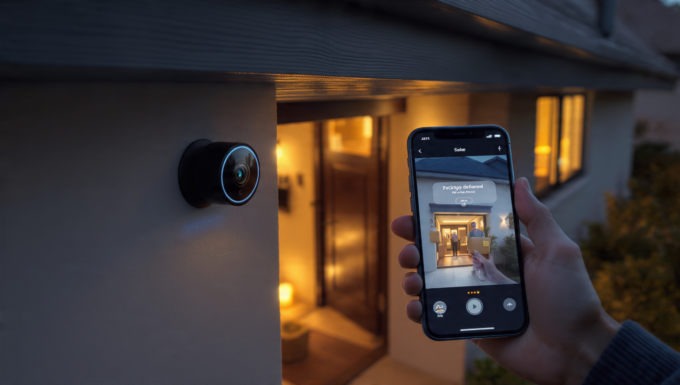

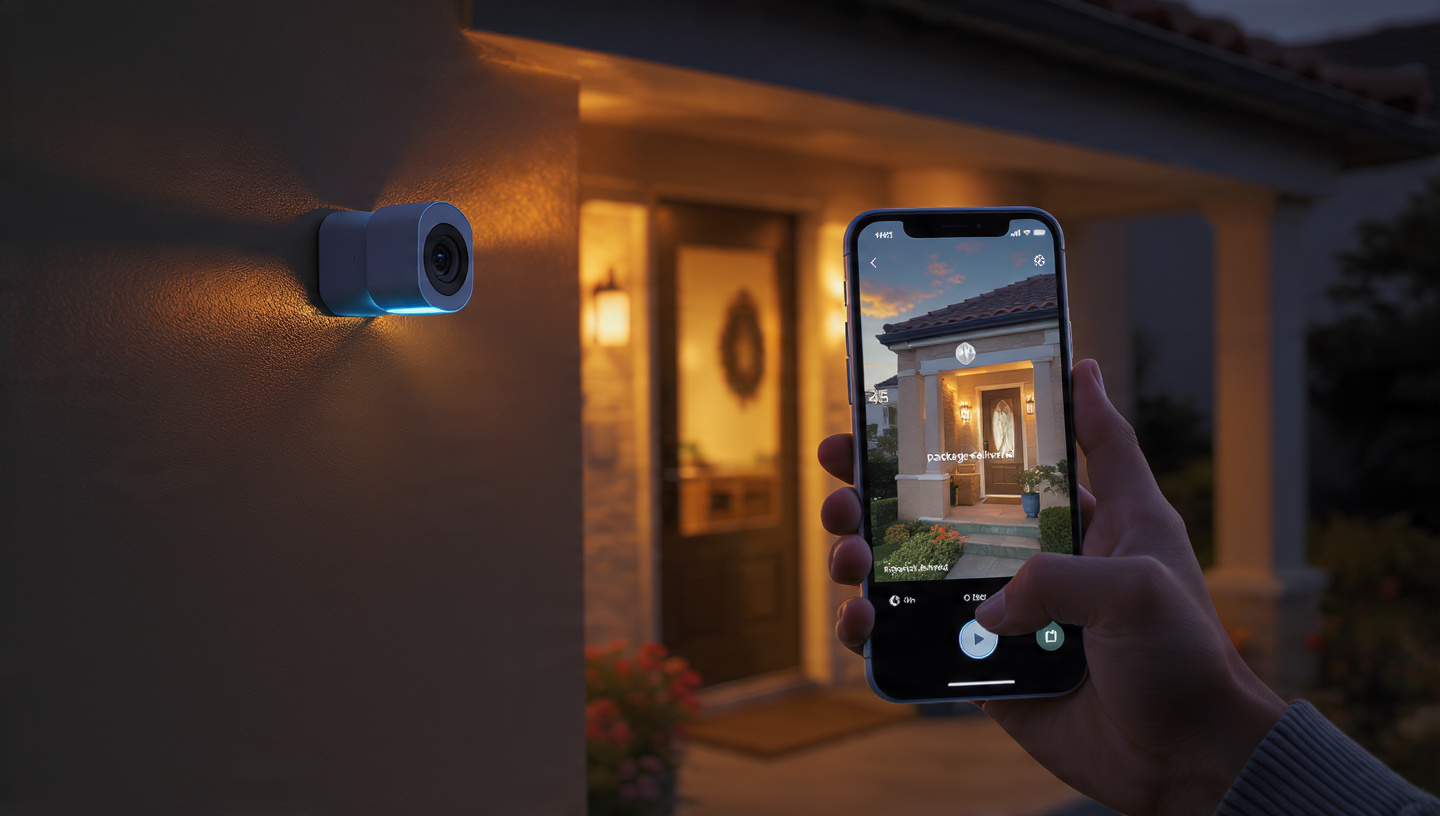
The landscape of home security in 2026 has shifted from simple alarms to a sophisticated ecosystem of proactive, intelligent tools. Homeowners no longer look for devices that merely record events; they trust systems that can interpret context and prevent incidents before they occur. This trust is built on a foundation of reliability, reduced false alarms, and a high level of privacy and data security.
Modern trust in security technology is also heavily influenced by “Edge-AI,” where processing happens locally on the device rather than in the cloud. This ensures that sensitive data, such as facial recognition patterns, never leaves the home network. When users feel their privacy is respected, they are more likely to integrate these advanced tools into their most personal spaces.
✨ AI Insight: Trust in 2026 is driven by “Verification-First” AI that cross-references sensor data with visual feeds to eliminate false alerts before they reach your phone.
Professionally Monitored Full-Home Systems
For those seeking maximum reassurance, professionally monitored systems like Vivint and ADT remain the most trusted choices in 2026. These systems provide a 24/7 safety net, where trained professionals are ready to contact emergency services the moment an alarm is triggered. This human-in-the-loop approach provides a level of certainty that self-monitoring alone cannot match.
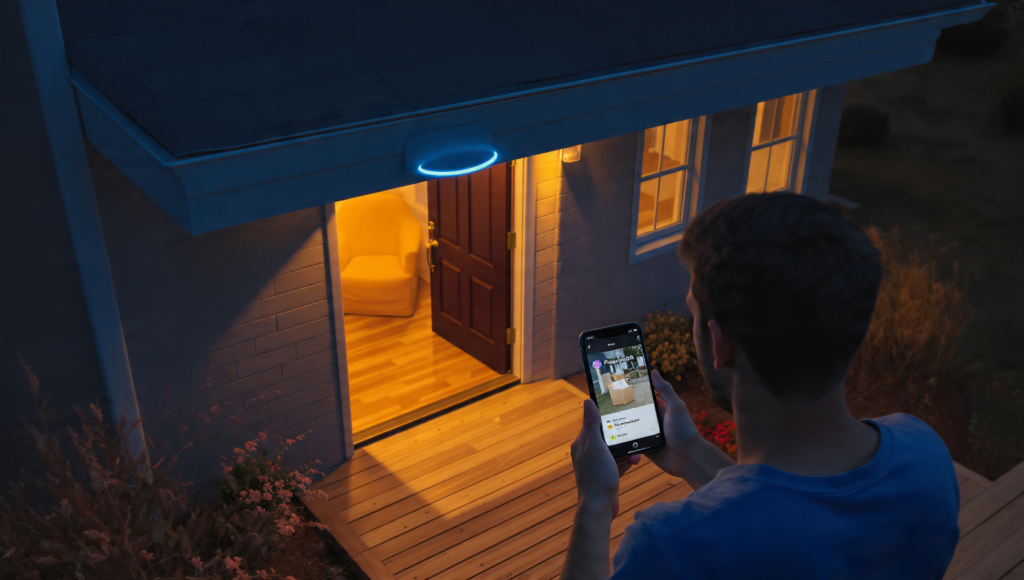
These systems are often professionally installed, ensuring that every sensor, camera, and hub is placed optimally for maximum coverage. Homeowners trust the expertise of the technicians to identify potential “blind spots” that a DIY installer might miss. The seamless integration of high-end hardware with a responsive monitoring team makes these platforms the gold standard for comprehensive protection.
Furthermore, the recent partnership between ADT and Google Nest has combined traditional reliability with cutting-edge AI. This allows for advanced features like “Trusted Neighbor” access and precise facial recognition while maintaining the backing of a century-old security infrastructure. It is this blend of history and innovation that solidifies long-term consumer confidence in professional monitoring.
The Rise of Privacy-First DIY Security
While professional systems lead in the premium sector, a new wave of DIY security brands like Eufy and Abode has earned trust through a “Privacy-First” philosophy. These brands prioritize local storage and no monthly fees, appealing to homeowners who want full control over their data. Trust here is built on the transparency of the system’s data-handling practices.
Eufy’s HomeBase 3 serves as a trusted local hub that encrypts and stores 4K video footage on a physical hard drive inside the house. By removing the need for a cloud subscription, these systems offer a more sustainable and secure alternative for privacy-conscious users. The ability to own your footage completely is a powerful trust signal for the modern, tech-savvy homeowner.
Abode stands out for its flexibility, allowing users to switch between self-monitoring and on-demand professional monitoring during vacations. This “control-centric” model respects the user’s intelligence and budget, providing a highly customizable experience. It is this adaptability that makes DIY systems a trusted partner for apartment dwellers and suburban families alike.
Intelligent Video Doorbells and Entryway Awareness
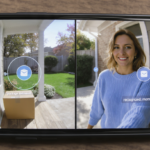
The video doorbell is often the first security tool a homeowner installs, and in 2026, the Ring Video Doorbell and Google Nest Doorbell remain the most recognized names. These devices provide an immediate sense of awareness by allowing users to see and speak with anyone at their front door from anywhere in the world.
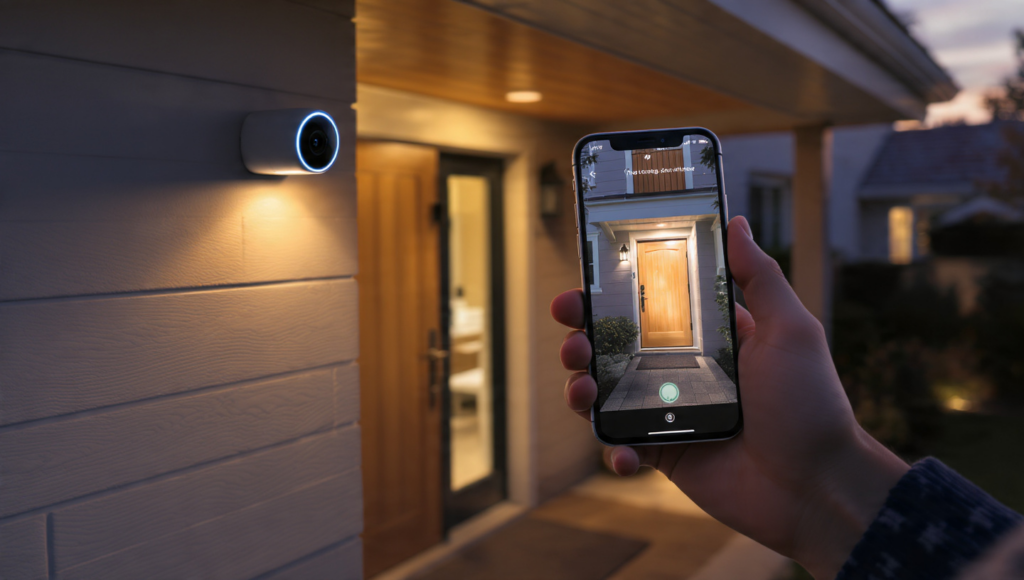
Trust in these tools is supported by high-definition 4K feeds and advanced “Package Detection” AI. Homeowners appreciate receiving a specific alert when a delivery arrives, followed by a high-priority notification if an unrecognized person approaches the package. This proactive guarding of the “last mile” of e-commerce has made doorbell cameras an indispensable part of daily life.
Additionally, the integration of “Familiar Face” technology allows the system to tell the difference between a family member, a delivery driver, and a stranger. This reduced “noise” in notifications builds long-term trust, as the user knows that if their phone buzzes, it is for a meaningful reason. It turns the front door from a point of vulnerability into a point of intelligent data.
Smart Locks and Biometric Access Control
The physical act of locking the door has been revolutionized by tools like the Schlage Encode Plus and the Ultraloq Bolt Fingerprint. Homeowners trust these locks because they combine the mechanical strength of traditional deadbolts with the convenience of biometric and digital access. The removal of physical keys—which can be lost or copied—represents a significant security upgrade.
The Schlage Encode Plus is particularly trusted for its integration with the Apple Home ecosystem, allowing users to unlock their door with a simple tap of their iPhone or Apple Watch. This “Home Key” technology is end-to-end encrypted and works even if the phone’s battery is dead. The reliability of this one-tap access provides a level of convenience that users quickly find essential.
For those seeking even more advanced protection, palm vein and facial recognition locks are becoming the new standard at CES 2026. These biometric methods are much harder to spoof than traditional fingerprints, offering a near-instant and highly secure entry method. This hardware-level security, combined with real-time access logs, ensures that the homeowner always knows exactly who is entering their home.
Environmental and Hazard Monitoring Sensors
True home security in 2026 extends beyond intruders to include protection against environmental disasters like fire, floods, and gas leaks. SimpliSafe and Vivint offer a wide range of trusted sensors that can detect smoke, carbon monoxide, and even minor water leaks behind walls. These tools protect the home’s structure and the inhabitants’ health simultaneously.
Water leak sensors are especially appreciated for their ability to prevent thousands of dollars in property damage by alerting the owner to a burst pipe the moment it happens. Some systems even integrate with smart water shut-off valves that can automatically stop the flow of water if a leak is detected. This “preventative” security is a major factor in the high trust ratings for these all-in-one systems.
Smart smoke detectors like Google Nest Protect have replaced the annoying “beeping” of traditional alarms with clear, spoken alerts. Being told exactly where the smoke is located—and having the ability to silence the alarm from a phone—removes the panic and confusion of a fire emergency. This clarity of communication is a vital trust-building feature in high-stress situations.
Long-Range Surveillance for Large Properties
For homeowners with significant acreage, detached barns, or long driveways, the new Wi-Fi HaLow specification has become a game-changer. Tools like the Xthings Ulticam HaLow can transmit high-definition video over distances of up to 1.5 miles. This allows for a level of property-wide awareness that was previously impossible without expensive professional networking.
This technology allows for the placement of cameras in “blind spots” far from the main house, such as at a back gate or a distant garage. Homeowners trust these long-range systems to provide a continuous, lag-free feed across their entire property, ensuring no area is left unprotected. The ability to monitor far-flung spaces from a single app is a powerful tool for large-scale security.
The adoption of HaLow also means that signals can penetrate thick walls and heavy foliage more effectively than traditional 2.4GHz Wi-Fi. This increased signal reliability ensures that the security net remains intact even in challenging environments. It is this robust, technical performance that earns the trust of rural and suburban homeowners alike.
The Role of Universal Standards in System Reliability
In 2026, the Matter and Thread standards have become the invisible glue that holds a trusted security system together. Homeowners no longer have to worry if their cameras will talk to their lights or if their sensors will trigger their alarm. This interoperability ensures that the entire home reacts as a single, unified entity during a security event.
When a system “just works” across different brands, users develop a higher level of confidence in the technology. They can choose the best-in-class camera from one brand and the best smart lock from another, knowing they will integrate flawlessly. This freedom of choice—backed by technical reliability—is a core pillar of consumer trust in the smart home era.
Ultimately, the most trusted security tools are those that provide “Background Confidence.” These are systems that stay out of the way, filtering out the noise of daily life while remaining eternally vigilant. By combining local AI processing with robust hardware and universal connectivity, the security tools of 2026 have successfully turned the home into a self-managing sanctuary.