
Smart Home
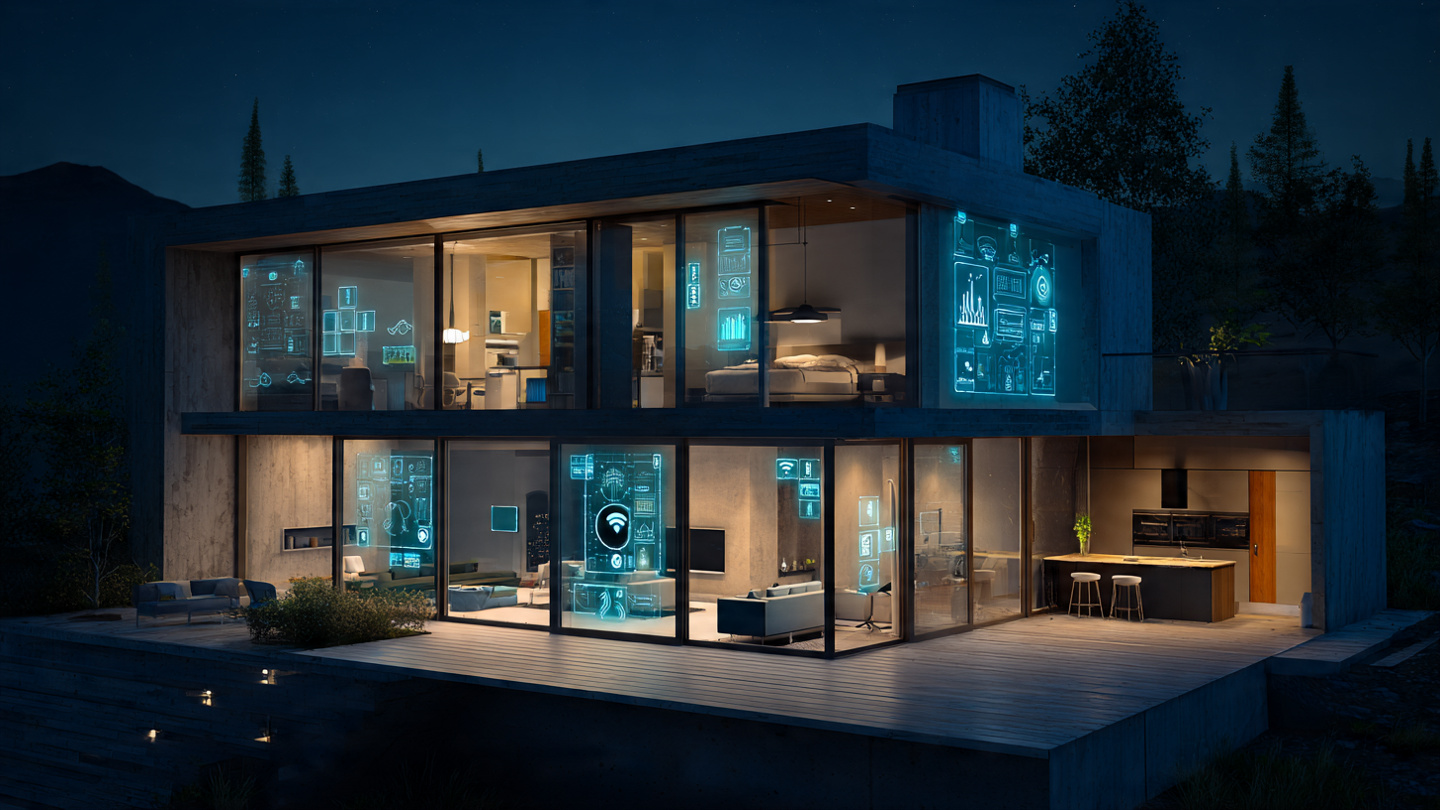
The idea of a smart home rarely arrives all at once. It usually begins with a single adjustment—lights that turn on automatically, a thermostat that learns a schedule, a speaker that answers simple questions. Over time, these small changes blend into routine, until the home feels slightly more responsive without feeling unfamiliar.
A smart home, in practice, is less about transformation and more about quiet coordination. Its value shows up not in novelty, but in how everyday actions become smoother with less conscious effort.
What a Smart Home Actually Is
At its core, a smart home is a collection of connected devices that respond to conditions, preferences, or simple commands. These devices may include lighting systems, thermostats, security cameras, door locks, speakers, and appliances. What links them is not complexity, but communication.
Rather than operating in isolation, these tools share information. A light knows when it is evening. A thermostat adjusts when no one is home. A notification appears when a door opens unexpectedly. None of this requires constant interaction; most systems are designed to work in the background once set up.
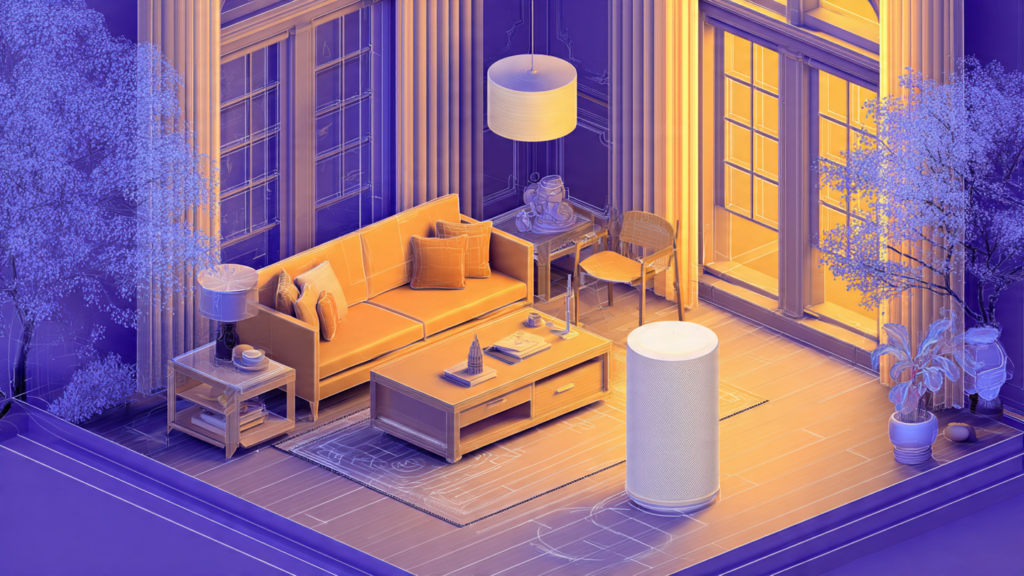
The smart home is not a single product or system. It is an environment shaped gradually through use.
✨ AI Insight:
As connected devices became easier to configure and more reliable over time, smart home features settled into daily routines by handling small, repeatable tasks automatically.
Everyday Use Over Automation
Despite popular perception, most smart homes are not fully automated. They are selectively assisted. People choose a few areas where automation makes sense and leave the rest unchanged.
Lighting is a common example. Timers or motion sensors reduce the need to flip switches, especially in shared spaces or during early mornings and evenings. Climate control follows a similar pattern, adjusting temperature based on time of day rather than constant manual input.
These changes do not replace decision-making. They reduce repetition. The goal is not to remove control, but to avoid making the same choices over and over.
Voice, Apps, and Invisible Interaction
Interaction with a smart home often happens through voice commands or phone apps, but these interfaces tend to fade once habits form. After initial setup, many systems operate with minimal direct input.
This invisibility is intentional. The most effective smart home features are the ones that do not require reminders. When a system works consistently, it becomes part of the environment rather than a focal point.
In this way, smart homes resemble other background technologies—Wi-Fi, heating, or plumbing—noticed primarily when something interrupts them.
Smart Homes and Daily Rhythms
A smart home adapts best when aligned with daily rhythms. Morning routines, work hours, evenings, and sleep patterns provide natural structure for automation.
For example, lights that gradually brighten in the morning or dim in the evening reinforce existing habits rather than changing them. Notifications that align with usual schedules feel helpful rather than intrusive.
When smart systems respect routine, they are easier to trust. When they attempt to override it, they are often disabled.
Privacy and Boundaries in the Home
One reason smart homes are adopted gradually is the importance of boundaries. The home is a personal space, and technology that feels too present can disrupt that sense of control.
Most users respond by limiting scope. A few devices in shared areas. Notifications only for specific events. Voice controls turned off in certain rooms.
This selective approach reflects a broader truth: smart homes work best when they adapt to people, not the other way around. Control remains central, even when automation is involved.
Maintenance as Part of the Experience
Smart homes require occasional maintenance, though less than expected. Software updates, battery replacements, and connectivity checks are part of long-term use.
Unlike traditional appliances, smart devices evolve over time. Features may change slightly, interfaces update, and performance improves or adjusts. This ongoing refinement is subtle but noticeable.
The experience is closer to maintaining a phone than maintaining furniture. The home gains a layer of software alongside its physical structure.
Smart Homes and Shared Spaces
In households with multiple people, smart home use becomes collaborative. Preferences must coexist. Lighting levels, temperature ranges, and notification settings reflect compromise rather than individual optimization.
This dynamic often shapes which features remain active. Systems that handle shared needs—security, energy efficiency, basic lighting—tend to last. Highly personalized features may be used selectively or abandoned.

The smart home succeeds when it supports collective comfort rather than individual control.
Energy Awareness Without Obsession
One practical benefit of smart homes is increased energy awareness. Usage patterns become visible without constant monitoring. Heating runs less when no one is home. Lights turn off automatically.
Importantly, this awareness does not require daily attention. The system handles optimization quietly, allowing efficiency to improve without becoming a project.
This passive efficiency aligns with how most people prefer to manage resources: effectively, but without ongoing effort.
The Gradual Nature of Adoption
Few homes become “smart” overnight. Adoption tends to be incremental, driven by specific needs rather than a desire for completeness.
A doorbell camera may come first. A thermostat later. Lighting much later, or not at all. Each addition stands on its own, and not all homes follow the same path.
This flexibility is part of the appeal. A smart home is not a standard to meet, but a set of options to choose from.
Why It Matters
Understanding smart homes as everyday infrastructure rather than futuristic systems helps explain their growing presence. They succeed when they respect routine, reduce repetition, and remain easy to ignore.
For homeowners and renters alike, the smart home offers a way to adjust the environment gradually, responding to real needs rather than abstract possibilities.
Beyond technology, the pattern is familiar. The most lasting changes are often the least dramatic—those that fit quietly into daily life and stay there.
A Home That Responds, Not Performs
The smart home is not meant to impress. It is meant to respond. When it works well, it feels less like technology and more like attentiveness built into the space itself.
As connected devices continue to mature, their success will likely depend on this restraint. The smartest homes will be the ones that do less, more reliably—supporting everyday life without demanding to be noticed.