
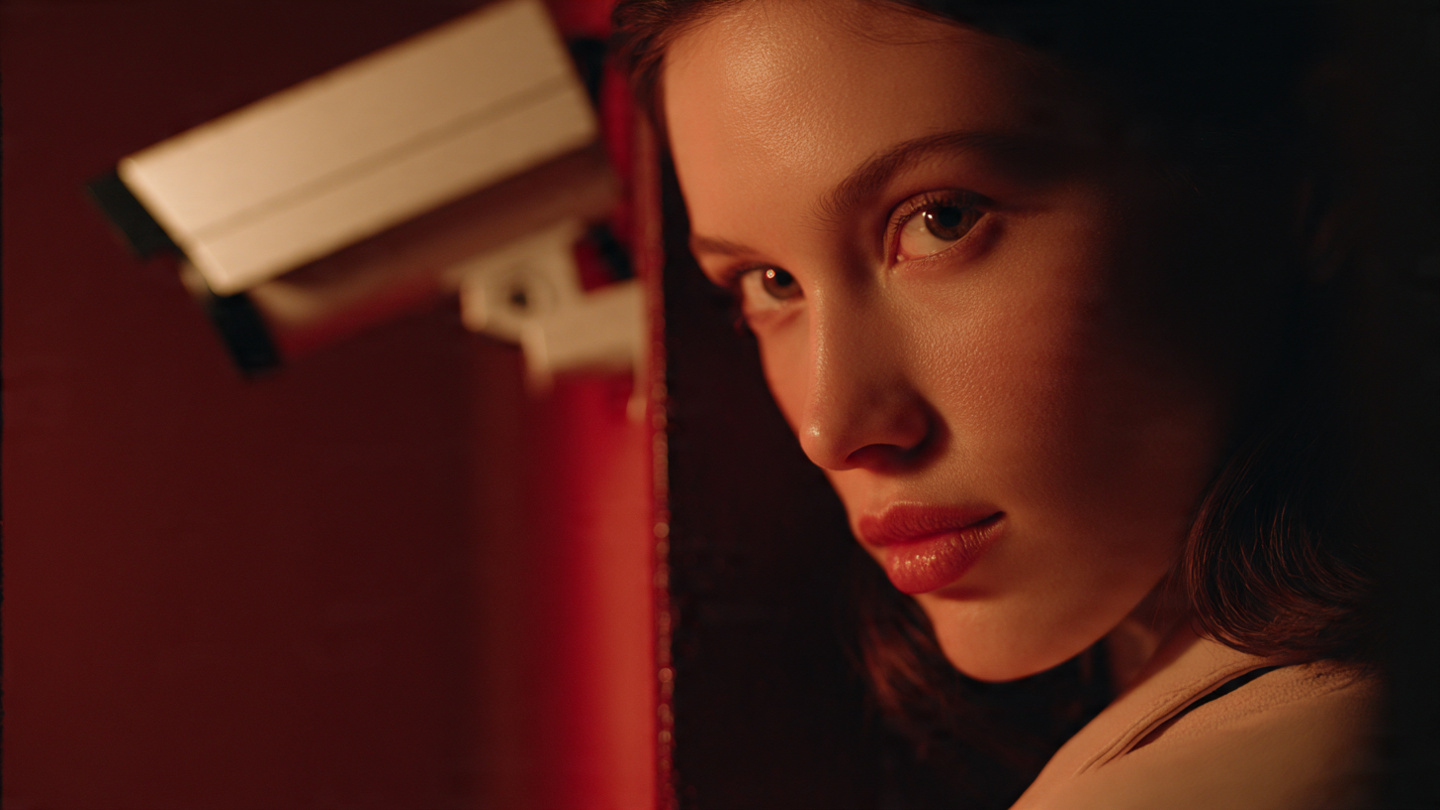
For many homeowners, the biggest hesitation in installing security is the “surveillance” look—the presence of bulky, plastic lenses and blinking LEDs that can make a cozy living room feel like a retail store.
In 2026, the trend has shifted toward aesthetic integration, where smart cameras are designed to hide in plain sight. These devices no longer demand attention; they complement your interior design while providing high-level protection.
The move toward “invisible” security is driven by a desire for a home that feels like a sanctuary, not a monitored facility. Manufacturers have responded by creating cameras that masquerade as everyday objects or feature minimalist finishes.
By prioritizing form alongside function, these devices offer a way to maintain complete home awareness without compromising the atmosphere. They allow technology to disappear into the background of your carefully curated living space.
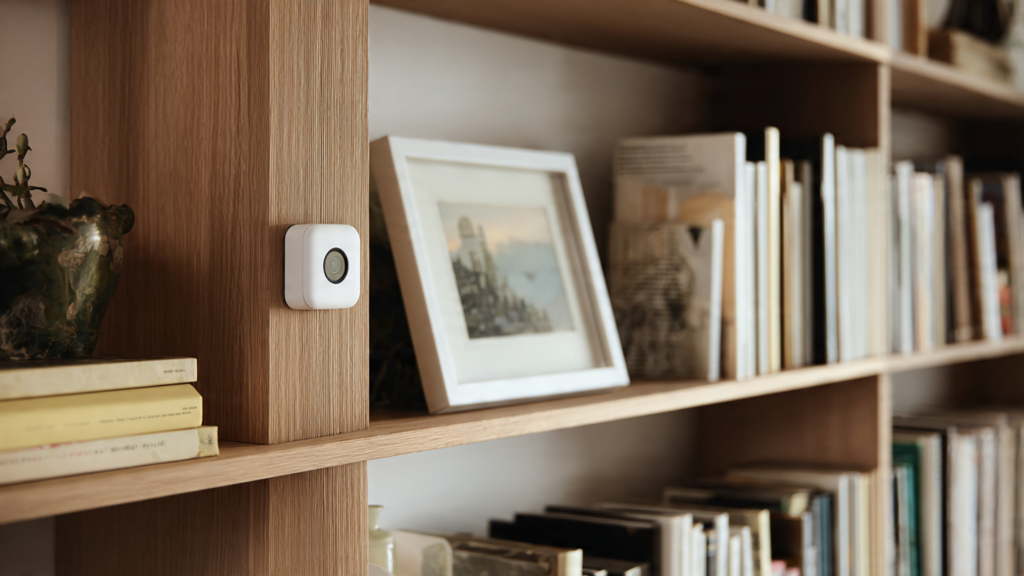
✨ AI Insight: In 2026, aesthetic smart cameras utilize “Material-Sync” finishes, allowing the device housing to mimic textures like wood, stone, or fabric to disappear into your shelving.
The Rise of the “Decor-First” Camera
One of the most effective ways smart cameras blend into the home is by masquerading as common decorative items. In 2026, “hidden-in-plain-sight” technology has reached a peak of sophistication, with cameras built into functional household objects.
You can now find high-definition 4K cameras embedded in digital picture frames, wall clocks, and even high-end bookshelf speakers. These devices allow for central placement in high-traffic areas without drawing the eye or looking out of place.
A guest might see a stylish wooden clock on the mantle, unaware that it is also a wide-angle security hub monitoring the room. This discretion is valued by those who want to keep an eye on nannies or pets without a clinical feel.
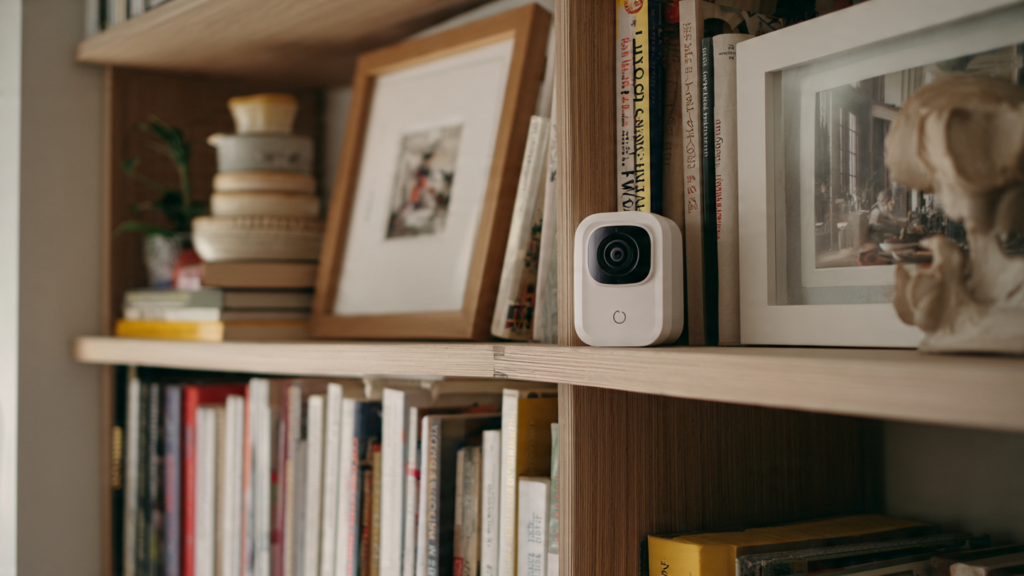
For those who prefer a direct approach, minimalist cameras like the Nest Cam feature organic shapes and neutral color palettes. These units are designed to be tucked away on bookshelves where their small footprints allow them to disappear.
Integrated Privacy Shutters and “Off-Duty” Design
A key part of making a camera feel like it belongs in a home is knowing when it isn’t watching. In 2026, homeowners deeply appreciate cameras equipped with physical privacy shutters that provide a clear, audible “click” when closed.
This feature addresses the psychological discomfort of having a “constant eye” in private spaces like bedrooms or home offices. When the shutter is closed, the device essentially becomes a neutral piece of plastic, removing the feeling of being watched.
Some premium models even feature a “hide” mode, where the camera lens mechanically rotates into its own housing when deactivated. This physical transformation serves as a definitive signal that the device is truly off-duty.
It is an elegant solution for those who value privacy just as much as security. This ensures the home feels like a private sanctuary during family time, building a higher level of trust between the user and the technology.
Multi-Functional Devices: Doorbells and Smart Displays
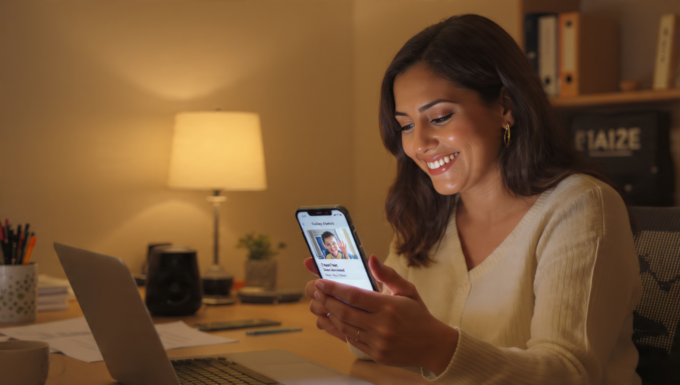
Another popular way smart cameras are blending into the home is through multi-functional integration. Rather than adding a standalone camera, homeowners are choosing devices that perform other daily tasks like managing calendars or music.
Smart displays like the Nest Hub Max serve as digital photo frames while housing powerful cameras for home monitoring. Because these displays are already expected to be on kitchen counters, the camera within them feels natural.
They provide situational awareness as part of a broader lifestyle tool, reducing the “gadget clutter” in a room. This consolidation contributes to a cleaner and more intentional home aesthetic that many modern families prefer.
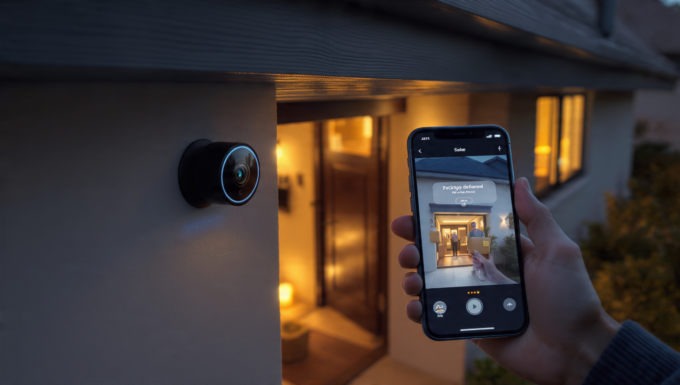
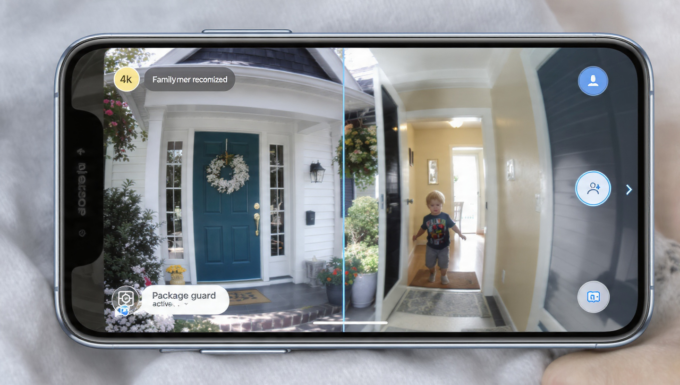
Similarly, the video doorbell has become the most common “hidden” camera for the exterior of the house. By replacing the traditional doorbell with a sleek version, homeowners gain 24/7 surveillance without a bulky overhead unit.
Wireless and Solar-Powered Flexibility
The mess of tangled wires and power cables is often what makes a smart camera setup look cluttered and technical. In 2026, the shift toward long-lasting battery power and solar integration has allowed for a much cleaner installation process.
Truly wireless cameras can be mounted in corners, under eaves, or even in trees without a single visible cable. This flexibility allows homeowners to place cameras in strategic locations while keeping the installation virtually invisible.
A camera tucked high into the corner of a porch can monitor a wide area without interrupting the architectural lines. The lack of wiring makes the technology feel lighter and less permanent, blending into the structure naturally.
Solar-powered models further enhance this “set-it-and-forget-it” convenience by using small, integrated panels. It is a sustainable approach that ensures your home’s security is always active but never ruining your home’s exterior appeal.