
In 2026, the primary appeal of smart lighting has shifted from mere novelty to significant time management. Homeowners are reclaiming over 100 hours annually by automating mundane household chores and reducing the daily “decision fatigue” associated with managing a home environment.
By integrating artificial intelligence with motion sensors and localized schedules, these systems handle thousands of micro-tasks that previously required manual effort. The result is a home that operates autonomously, allowing residents to focus their time on more meaningful professional and personal activities.
✨ AI Insight: Smart lighting in 2026 uses predictive behavioral modeling to anticipate your movement between rooms, eliminating the need for thousands of manual switch toggles per year.
Eliminating the Daily “Walk-Through” Routine
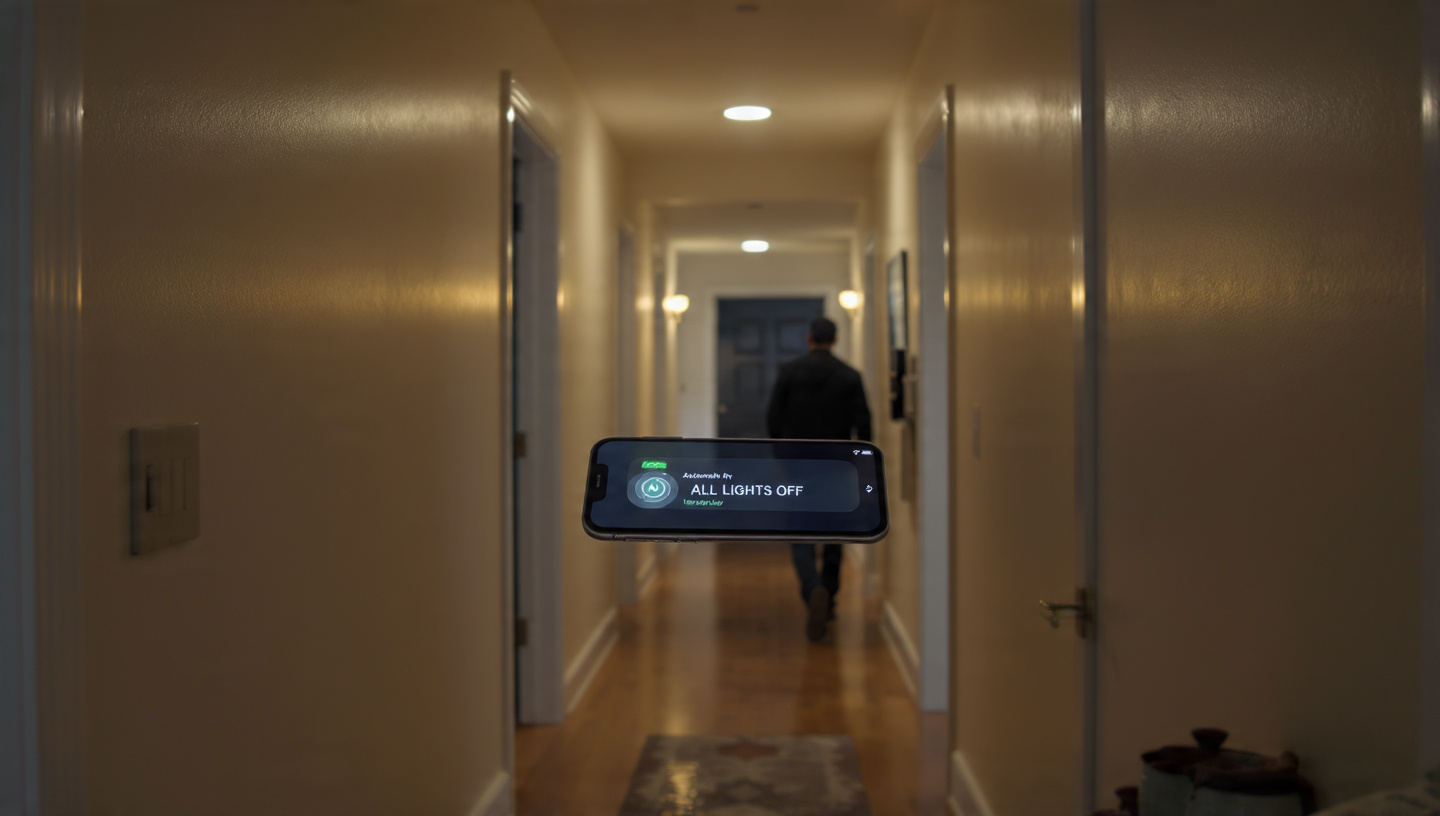
One of the most immediate time-savers is the elimination of the nightly walk-through to ensure every light in the house is extinguished. In 2026, a single “Goodnight” command or a geofenced trigger ensures that the entire property is secured and powered down instantly.
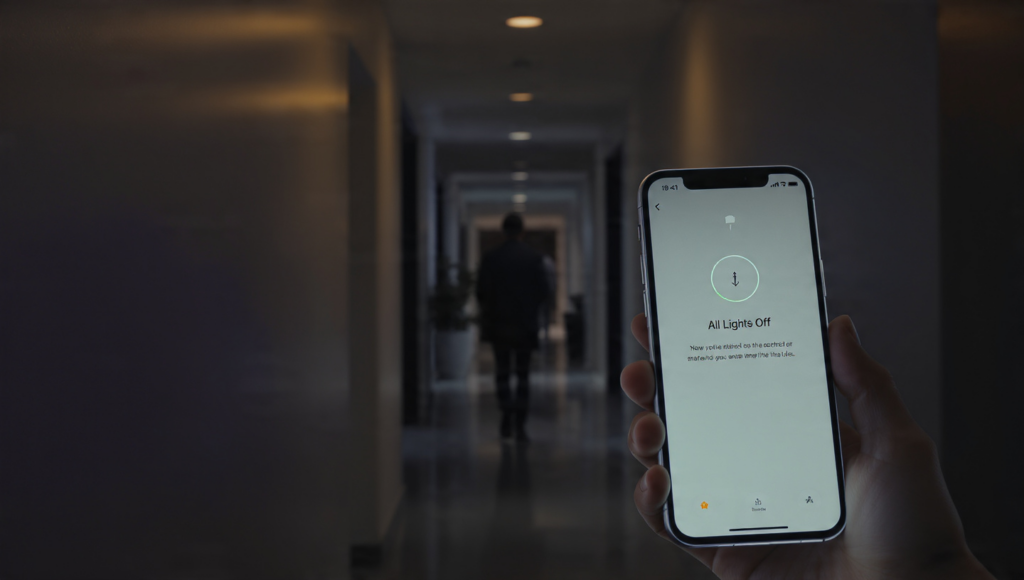
This automation prevents the repetitive task of checking multiple floors, basements, and outdoor areas before bed or when leaving for work. It removes the small but cumulative mental load of remembering to manage the home’s energy footprint manually.
By centralizing control into a single interface or voice command, homeowners save several minutes every morning and evening. Over the course of a year, this small efficiency adds up to hours of reclaimed time that was once lost to administrative clutter.
Automating Scene Transitions for Complex Tasks
Smart lighting simplifies transitions between different activities by instantly reconfiguring the entire room’s atmosphere for specific tasks. Instead of adjusting individual dimmers and lamps, users activate pre-set “scenes” like “Cooking,” “Focus,” or “Movie Night” with a single touch.
This is particularly beneficial in multi-functional spaces where the lighting needs to shift rapidly from bright task-oriented levels to soft ambient tones. The system handles the precise calibration of dozens of bulbs simultaneously, ensuring the environment is always optimized.
The time saved during these transitions allows for a more fluid and productive daily rhythm. When the environment adapts to the user’s needs without manual intervention, the friction between finishing one task and starting the next is virtually eliminated.
Reducing Maintenance Through Predictive Alerts
In 2026, smart lighting systems serve as their own maintenance managers by monitoring the health and efficiency of every bulb in the network. Homeowners no longer spend time troubleshooting flickering lights or searching for which specific bulb has failed in a complex fixture.
The system sends proactive notifications to a smartphone when a bulb is nearing the end of its lifespan or if a connection issue is detected. This allows for planned, efficient maintenance rather than reactive “emergency” fixes during busy times.
By providing real-time data on energy usage and hardware health, the system removes the guesswork from home upkeep. It transforms a traditionally reactive chore into a streamlined, data-driven process that keeps the home running smoothly with minimal human oversight.
Hands-Free Convenience in High-Activity Areas
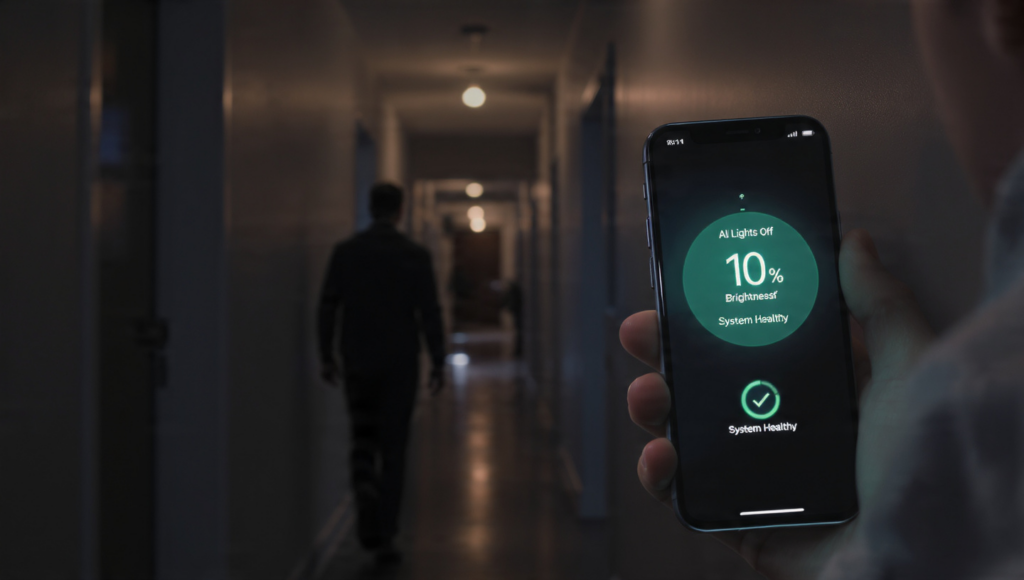
The use of occupancy and motion sensors in high-traffic areas like kitchens, hallways, and garages provides a level of hands-free convenience that is essential for modern families. Lights activate automatically when someone enters a room, removing the need to reach for switches.
This feature is especially valuable when carrying groceries, laundry, or children, as it prevents the physical fumbling that often leads to small delays or accidents. The home effectively “opens up” for the user, lighting the path forward without any conscious input.
In 2026, these sensors have become sophisticated enough to distinguish between pets and people, ensuring that lights are only active when necessary. This level of environmental responsiveness makes the home feel more intuitive and supportive of the resident’s physical movement.
Optimizing Focus and Reducing Mental Fatigue
Smart lighting supports productivity by automatically shifting color temperatures to match the natural circadian rhythm of the human body. By providing bright, cool light during work hours and warm light in the evening, the system reduces the cognitive strain of mental tasks.
This biological alignment prevents the “afternoon slump” and the headaches associated with poor lighting, allowing users to maintain high levels of focus for longer periods. It turns the home office into a high-performance environment that supports mental clarity and efficiency.
When the lighting is perfectly tuned to the task at hand, the brain expends less energy on visual processing. This reclaimed mental energy can be redirected toward creative problem-solving and professional strategy, significantly increasing the overall value of a person’s time.
Coordinating Large-Scale Outdoor Environments
Managing outdoor lighting across gardens, driveways, and pathways used to be a time-consuming task involving manual timers and seasonal adjustments. In 2026, smart outdoor systems use GPS data to synchronize perfectly with the local sunset and sunrise.
This “set-it-and-forget-it” approach ensures that the property is always well-lit for safety and security without any manual intervention. The system even accounts for seasonal shifts, automatically adjusting its schedule as the days get shorter or longer.
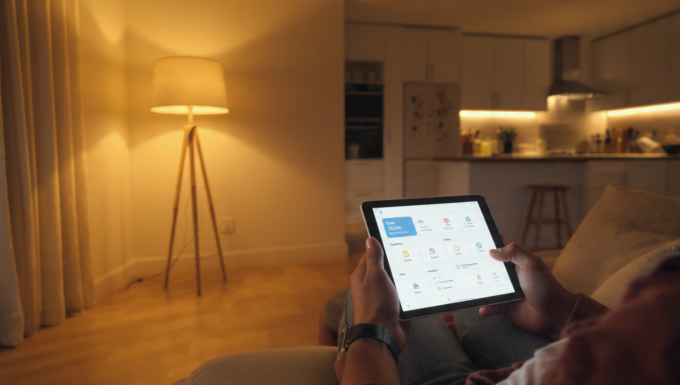
For homeowners with large properties, this centralized automation removes the need for physical inspections of various zones. The status of every outdoor light is visible in a single app, allowing for instant verification and control from the comfort of the indoors.
Streamlining Guest and Social Management
When hosting events, smart lighting allows for the instant transformation of a home into a social venue. Pre-set “Guest Scenes” can be activated to provide the perfect balance of accent lighting and social warmth, removing the need for trial-and-error adjustments.
This allows the host to focus entirely on their guests rather than managing the technical atmosphere of the room. If the party moves from the dining area to the lounge, a single voice command can shift the lighting across multiple zones to follow the group.
The ability to recall complex lighting configurations ensures that every event has a professional and consistent feel. It removes the stress of “setting the stage,” allowing social interactions to flow more naturally and making the act of hosting significantly less taxing.
Future-Proofing Time Savings with AI Integration
As we move deeper into 2026, the integration of AI allows smart lighting to become truly predictive. The system learns the specific routines of the household and begins to automate decisions based on historical behavior and real-time environmental data.
If the system notices that the kitchen is always used at 7:00 AM, it can pre-heat the atmosphere with warm morning light before the first resident even enters the room. This “anticipatory automation” represents the pinnacle of time-saving technology.
By reducing the number of daily interactions required to manage the home, AI-driven lighting returns hours of focus to the user. The goal is to create a living environment where the technology is invisible, serving the human experience without ever demanding attention or effort.