
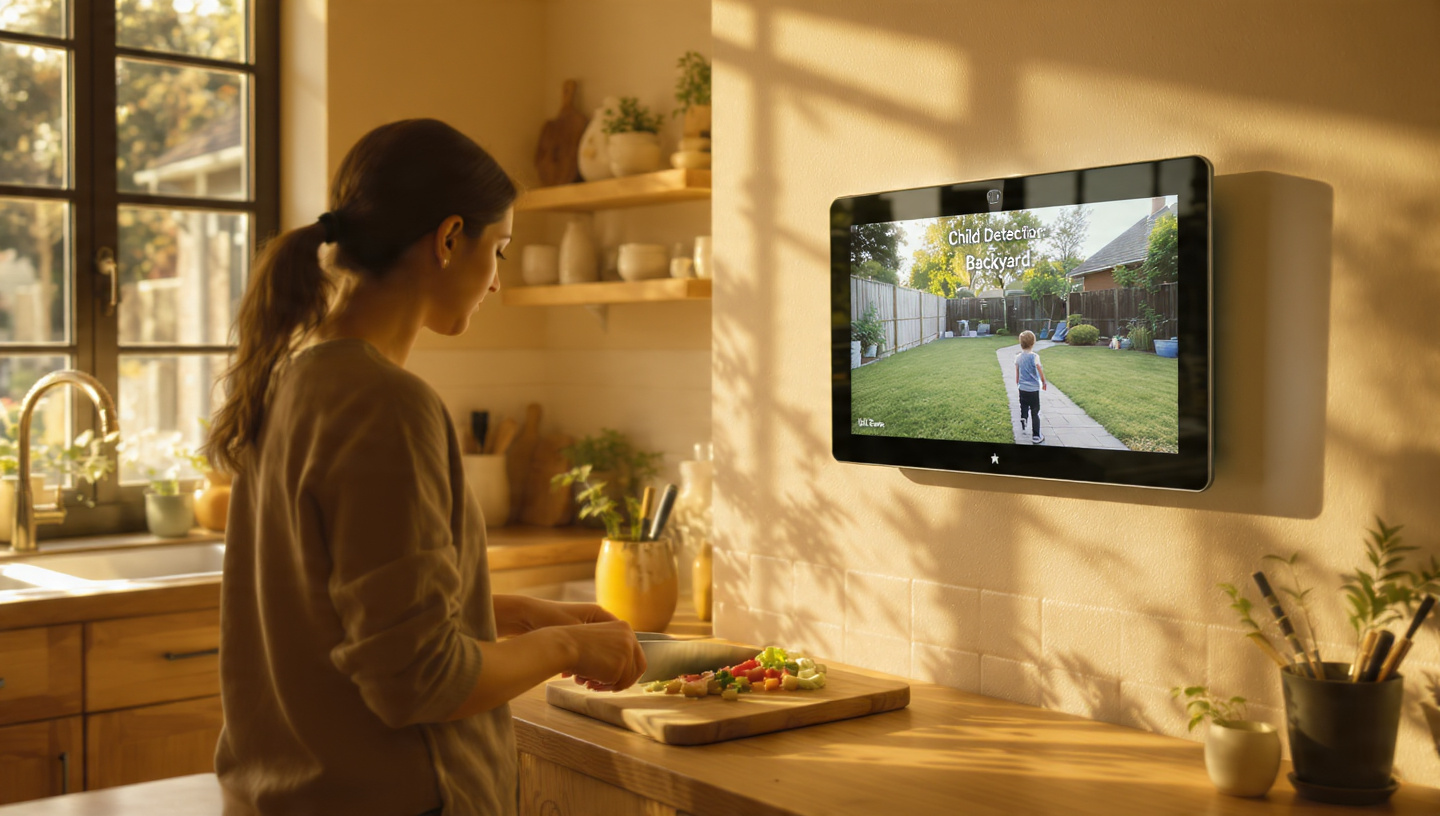
In 2026, the role of smart cameras has shifted from being a specialized security tool to an essential part of daily household management. These devices have become the “eyes” of the modern home, providing a level of awareness that extends far beyond just catching an intruder. Families now use cameras to stay connected with loved ones, coordinate daily logistics, and maintain a peaceful home environment through subtle, non-intrusive monitoring.
The integration of advanced AI means that cameras no longer just record footage; they interpret it to provide actionable insights for every member of the family. From confirming that a child has safely started their homework to checking if the dog needs to go outside, cameras have become silent partners in the rhythm of life. This seamless fit into the daily routine is what makes them a staple in the contemporary household.
✨ AI Insight: In 2026, smart cameras act as “contextual agents” that recognize daily habits, such as identifying when you’re carrying groceries to automatically unlock the door.
Enhancing Connection with Family and Loved Ones
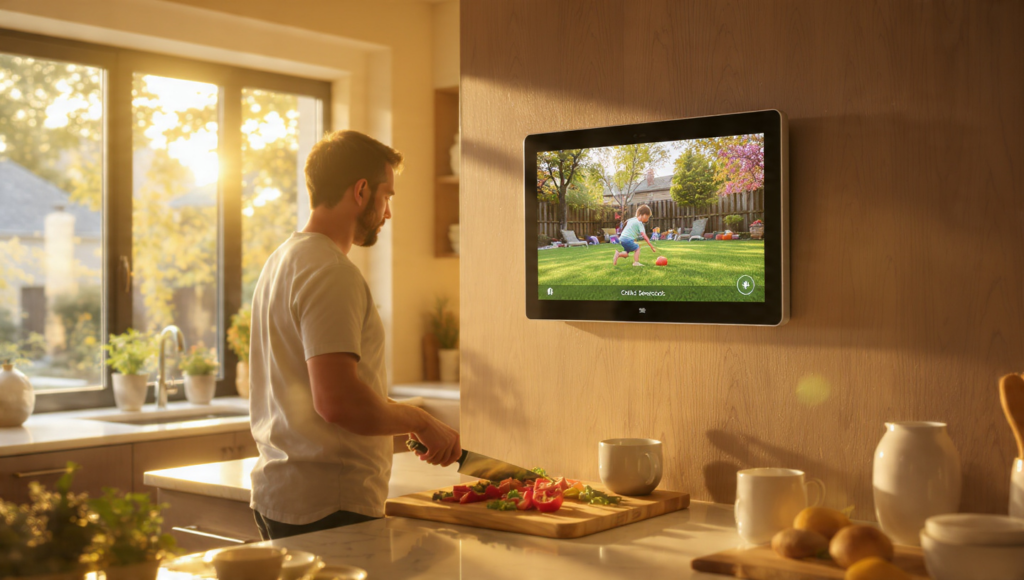
One of the most appreciated daily uses for smart cameras is the ability to maintain a visual and audio connection with family members throughout the day. In 2026, parents often use indoor cameras to check in on children arriving home from school, providing immediate reassurance during work hours. Two-way talk features allow for quick, affectionate check-ins that make the physical distance of a long workday feel much smaller.
These systems are also increasingly used to support “aging in place” for elderly relatives who wish to maintain their independence while staying safe. Family members can check in on a senior’s well-being without being intrusive, ensuring they are moving safely and following their usual daily routines. This provides a vital safety net that allows for proactive care rather than just reactive response in an emergency.
For families with new babies, smart cameras have evolved into sophisticated nursery monitors that track breathing patterns and sleep cycles with high precision. Parents can receive gentle alerts if a baby wakes up or if the room’s temperature shifts outside of a comfortable range. This detailed awareness allows for a better night’s sleep for the entire household, as the technology handles the constant vigilance.
Streamlining Daily Logistics and Deliveries
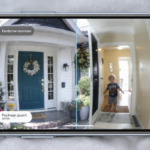
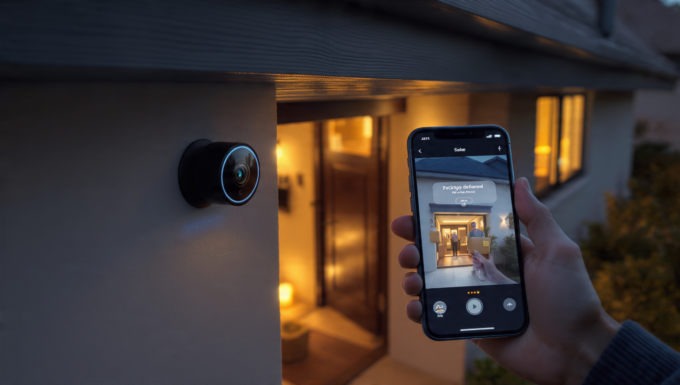
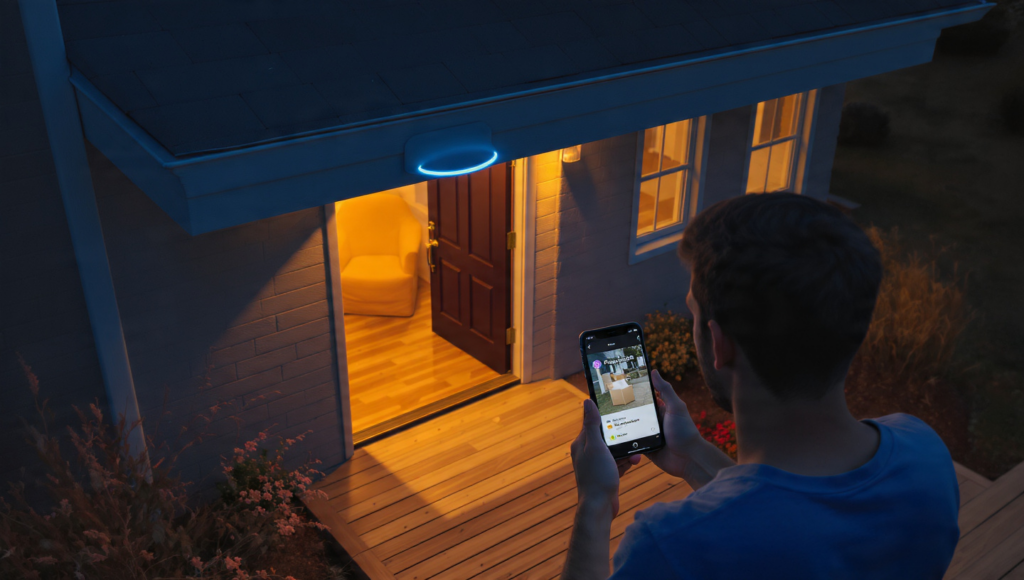
As e-commerce has become the primary way of shopping in 2026, managing the influx of daily deliveries has become a significant logistical task. Smart doorbell cameras have become indispensable tools for tracking packages and interacting with couriers in real-time. Homeowners can see exactly when a delivery arrives and use the speaker to provide specific instructions on where to hide it.
This level of awareness prevents the “porch pirate” anxiety that was once a common source of daily stress for suburban and urban dwellers alike. Some cameras even feature dedicated “Package Guard” AI that sends a high-priority alert if an unrecognized person approaches a delivered box. It allows for a more relaxed shopping experience, knowing that your purchases are being actively guarded until you return home.
Beyond deliveries, cameras help coordinate the “service entries” of a busy household, such as dog walkers, cleaners, or contractors. Homeowners can verify the arrival of service providers and grant them remote access through an integrated smart lock once their identity is confirmed. This removes the need for physical keys and allows the day’s tasks to proceed smoothly without the owner needing to be present.
Monitoring Pet Health and Behavioral Wellness
For pet owners in 2026, smart cameras have transformed from a way to catch “bad behavior” into a tool for proactive pet health management. Owners use indoor cameras to observe their pets’ activity levels, ensuring they are staying active and not showing signs of distress while alone. This is particularly valuable for pets with medical conditions that require regular observation of their movement.
Advanced pet AI can now recognize specific behaviors like excessive barking or pacing, which might indicate that a pet is anxious or needs a bathroom break. Owners can then use two-way audio to soothe their pet or trigger a smart treat dispenser to provide a positive distraction. This interactive layer helps maintain the bond between owner and pet, even when they are physically separated for several hours.
These cameras also provide peace of mind by acting as environmental sensors that can detect sounds like smoke alarms or broken glass. If a crisis happens while the owner is away, they can immediately see if their pet is in danger and take swift action to get them to safety. It ensures that the most vulnerable members of the family are always protected by a vigilant and intelligent guardian.