


The weight of a modern to-do list often stems not from the difficulty of the tasks themselves, but from the mental effort required to keep them organized. Between professional deadlines and personal errands, the sheer volume of “open loops” in the mind can create a persistent sense of background noise.
Digital task management has shifted from static lists to active systems that help prioritize and execute. AI tools now function as an organizational partner, identifying what needs attention and clearing the logistical hurdles that often lead to procrastination.
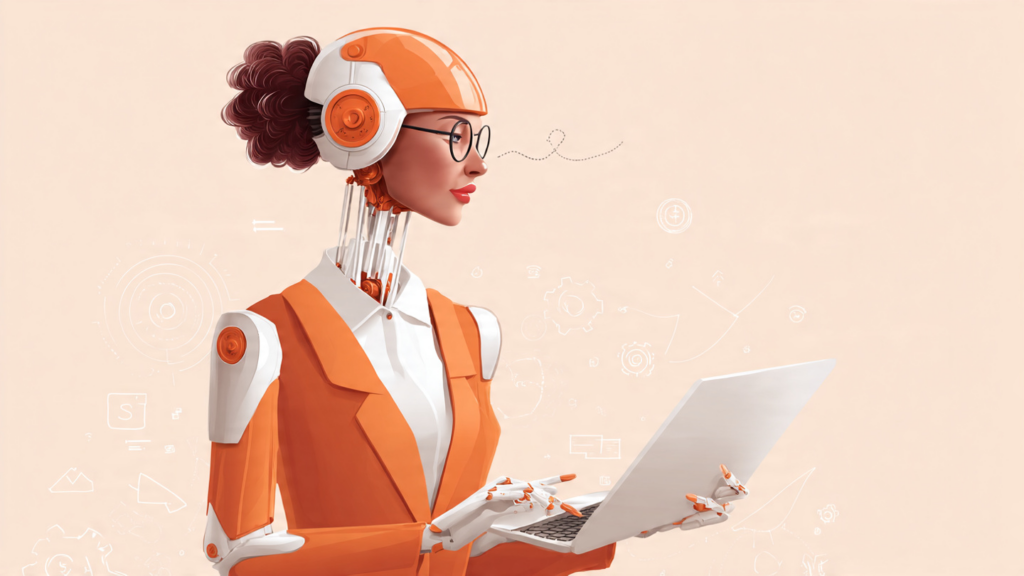
✨ AI Insight: Task management has evolved from simple digital record-keeping into adaptive systems that understand the context of a user’s habits and priorities. This shift has made it possible for technology to proactively suggest the best time for specific work based on real-world energy and availability.
Moving Beyond the Static To-Do List
Traditional lists are often little more than a “graveyard” of forgotten intentions, requiring constant manual updating and re-prioritizing to stay relevant. AI-driven managers change this by treating tasks as dynamic objects that can be moved, grouped, and flagged based on shifting deadlines.
These tools analyze the complexity of a project and break it down into smaller, more manageable sub-tasks without being asked. By presenting only the most relevant next step, they prevent the feeling of being overwhelmed by the total scale of a goal.
This approach ensures that the list remains a living document that reflects the reality of the day. Instead of looking at a wall of twenty items, the user is presented with the one or two tasks that actually matter in the current hour.
The Science of Cognitive Offloading
Cognitive offloading is the process of delegating mental work to an external tool to free up “bandwidth” for deep thinking and problem-solving. By trusting an AI to remember follow-ups and deadlines, the brain is released from the taxing job of constant information maintenance.
This reduction in mental clutter directly lowers stress levels and helps prevent the fatigue that comes from making too many small decisions. When the system handles the “remembering,” the human can focus entirely on the “doing.”
Research into digital habits suggests that this partnership with technology allows for a much higher quality of focus. By clearing the cognitive runway, AI tools ensure that the mind is always ready for strategic and creative challenges.
Smart Scheduling and Protecting Focus Time
Finding time for deep work is increasingly difficult in an environment filled with constant digital interruptions. AI scheduling assistants protect this time by automatically blocking out hours for focused activity based on a user’s most productive periods.
These systems can intelligently rearrange a calendar to create larger blocks of uninterrupted time, moving smaller administrative tasks into the gaps between meetings. They act as a digital gatekeeper, ensuring that the day is not entirely consumed by micro-tasks.
By learning when a person is most likely to complete high-effort work, the software can suggest the best windows for difficult projects. This alignment of task type with natural energy levels leads to more efficient output and a more satisfying workday.

Dynamic Prioritization in Shifting Environments
In a fast-paced environment, priorities can change in an instant, making a morning plan obsolete by midday. AI task managers excel at real-time rescheduling, instantly adjusting the entire queue when a new urgent item is added or a deadline moves.
The system evaluates the impact of these changes across the entire workload, highlighting which other tasks may be pushed back or require more resources. This transparency allows for more confident decision-making when dealing with conflicting demands.
This constant recalibration removes the anxiety of “falling behind” because the path forward is always updated. The user is never left wondering what to do next; the system has already calculated the most logical sequence for the remainder of the day.
Automating the Logistics of Collaboration
For teams, task management often involves a significant amount of coordination work, such as checking status updates and assigning responsibilities. AI tools streamline this by automatically routing tasks to the right person based on their current capacity and skill set.
These platforms provide real-time visibility into project health, flagging potential bottlenecks before they cause a delay. By handling the “status check” automatically, they reduce the need for disruptive check-in meetings and lengthy email threads.
This level of shared clarity ensures that everyone stays aligned with the overall objective without the need for constant oversight. The technology handles the coordination, allowing the team to focus on the actual collaboration and execution of ideas.
Bridging the Gap Between Intent and Action
The most difficult part of any task is often simply getting started, especially when the first step is unclear. AI assistants help bridge this gap by drafting initial outlines, gathering necessary files, or summarizing previous conversations related to the task.
By providing this “running start,” the tools lower the barrier to entry for complex or intimidating projects. The user doesn’t have to start from a blank slate, which is one of the most effective ways to overcome procrastination and build momentum.
This supportive role makes the transition from planning to acting much smoother. As the system handles the initial legwork, the user can step in at the point where their specific expertise and creative input are most valuable.
Why It Matters
Mastering task management is about more than just checking items off a list; it is about reclaiming control over one’s time and mental energy. When we use AI to manage the logistics of our day, we are making a choice to prioritize our human strengths over administrative maintenance.
These tools are not a replacement for discipline, but a way to make discipline easier to sustain over the long term. By reducing the friction of organization, they allow us to spend our days on the work and the relationships that truly provide a sense of accomplishment.
Ultimately, the goal of AI in task management is to make the technology disappear. The most successful systems are the ones that work so quietly in the background that we forget we are being assisted at all.