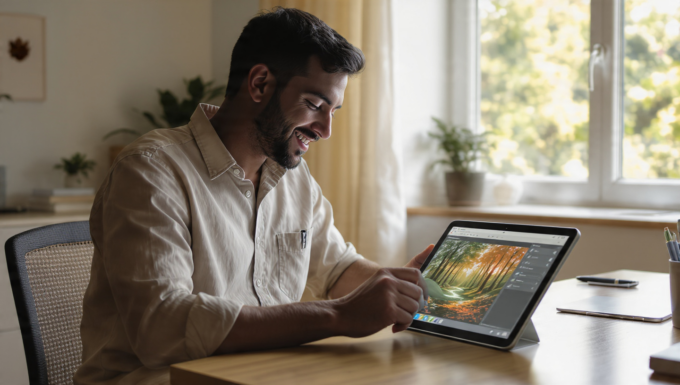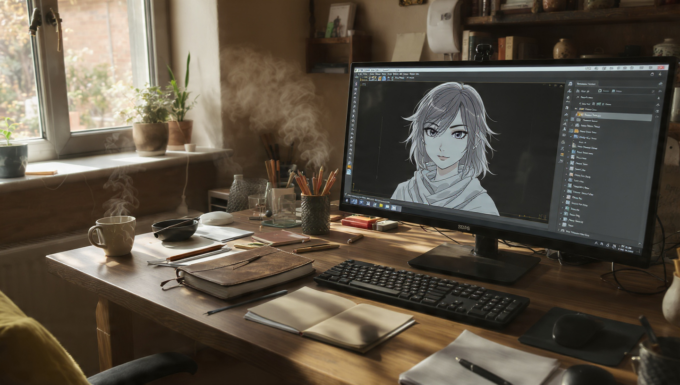

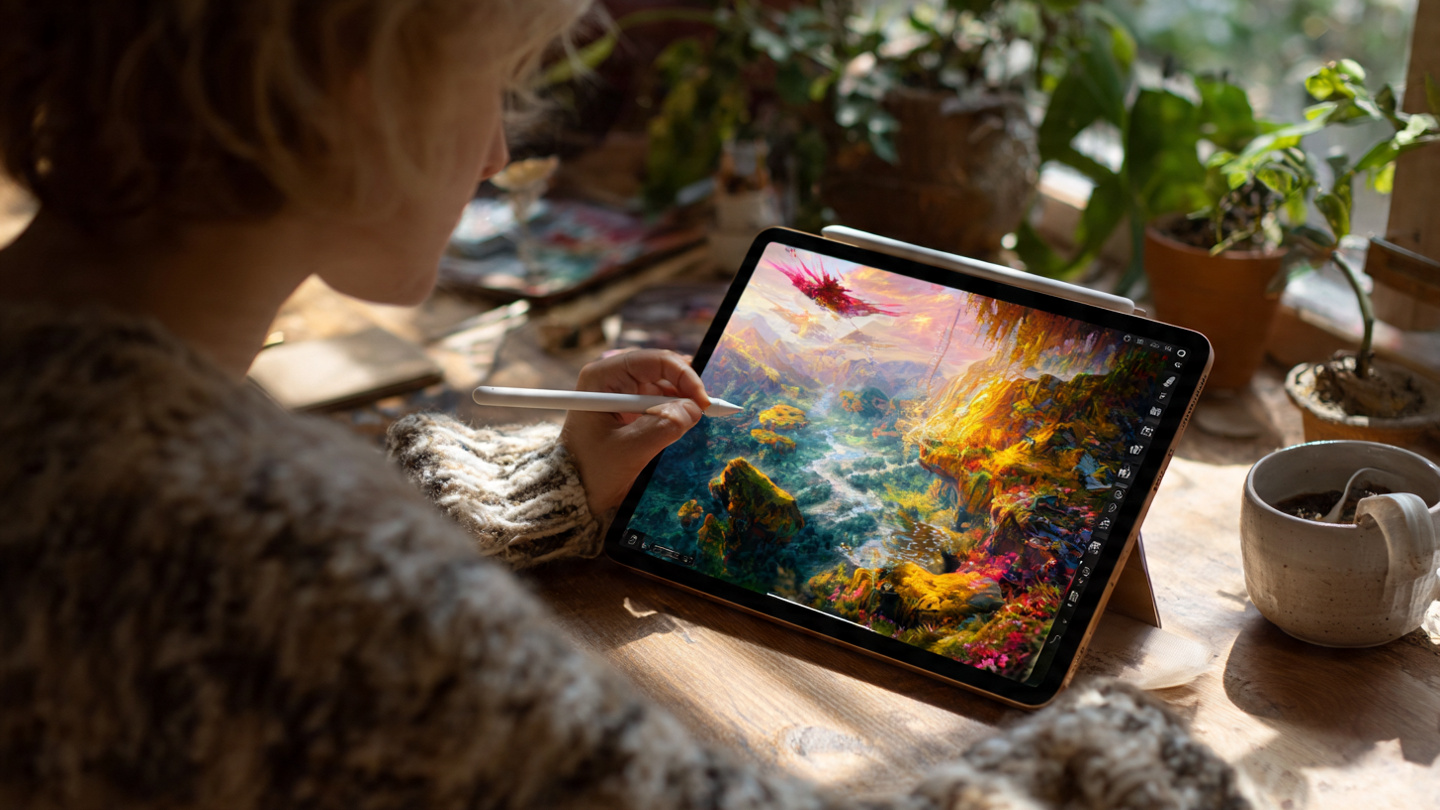
The barrier between having a creative idea and bringing it into physical or digital reality has never been thinner. For years, specialized skills like high-end video editing, digital painting, or sound engineering required years of practice and expensive hardware to master. Today, a new wave of creative AI tools is allowing individuals to skip the technical learning curve and move straight into the role of a director or designer.
These platforms are not being used merely as replacements for traditional methods, but as a digital playground for “what-if” scenarios. From generating a photorealistic image based on a dream to creating a custom soundtrack for a home video, these tools are turning casual users into active creators. The shift is defined by the move from manual precision to creative exploration, where the software handles the physics of light, sound, and motion.
✨ AI Insight: In 2026, creative tools have transitioned from simple generation to “multimodal composition,” where a single prompt can synchronize visuals, audio, and motion into a cohesive narrative. This evolution allows for an iterative creative process where the user acts as a creative director, refining the AI’s output through conversation rather than complex software menus.
Reimagining Visual Art Through Iterative Generation
The most visible shift in creative experimentation has been in the world of text-to-image generation. Platforms like Midjourney and DALL-E have moved beyond simple novelty and are now used to rapidly prototype everything from architectural concepts to character designs for personal stories. Users love these tools because they provide a visual “running start,” turning a vague mental image into a high-fidelity reference point in seconds.
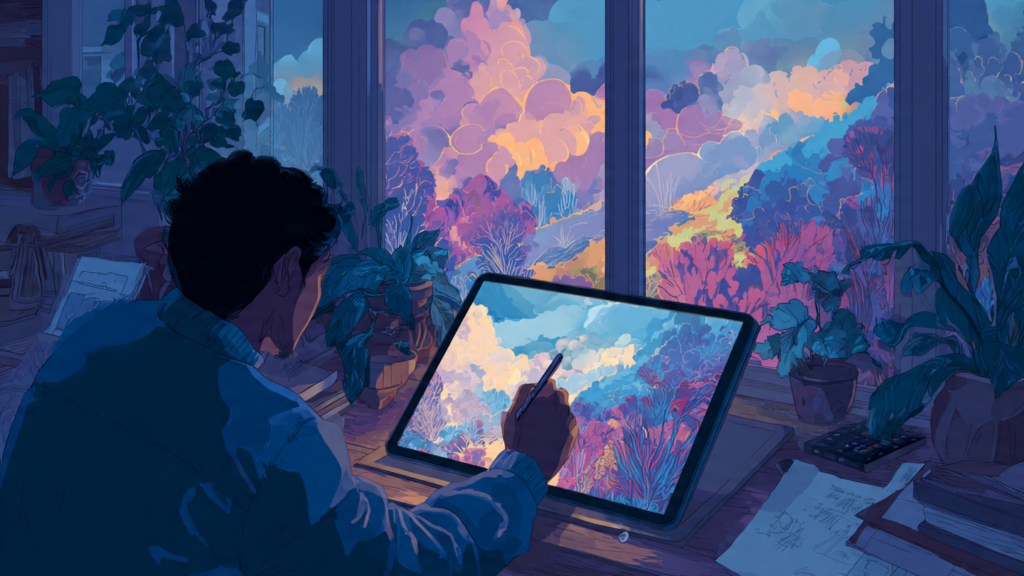
Beyond just creating a final image, these tools allow for “in-painting” and “out-painting,” where a user can expand the borders of a canvas or change specific details within a scene. This flexibility makes the creative process feel more like a dialogue with the software. Instead of fighting with a paintbrush, the artist is making high-level decisions about lighting, mood, and composition, allowing for a level of experimentation that was previously impossible.
This democratization of art has led to a surge in visual storytelling across social media and independent publishing. When anyone can generate a professional-looking illustration to accompany their ideas, the digital world becomes far more expressive. It is a shift that values the strength of the concept and the uniqueness of the perspective over the mechanical ability to render a perfect line.
The Rise of Cinematic Experimentation at Home
Video generation has traditionally been the most difficult creative medium to master, involving complex timelines, rendering engines, and physics simulations. New AI video tools like Sora and Runway have simplified this by allowing users to generate high-fidelity cinematic clips from simple text or image prompts. People are using these platforms to create short films, music videos, and social content that previously would have required a Hollywood-sized budget.
These tools are particularly popular for “visualizing the impossible,” such as historical recreations or surreal landscapes that would be too expensive to film in real life. By handling the complex task of maintaining visual consistency across frames, the AI allows creators to focus on the pacing and the narrative arc. It has turned video creation into a more accessible form of self-expression, where the speed of production matches the speed of the imagination.
The excitement around these tools also stems from their ability to “animate” personal history. Many users are experimenting by uploading old family photos and letting the AI add subtle movements, such as a breeze through the trees or a smile across a face. This emotional connection to technology is a key reason why these platforms have moved so quickly from niche technical tools to mainstream creative outlets.
Custom Soundscapes and the Future of Audio
Audio and music generation have also become significant areas for creative play. Tools like Suno and Udio allow users to generate full songs—complete with vocals and instrumentation—in any genre imaginable. Whether it is a personalized birthday song or a cinematic score for a podcast, the ability to create high-quality audio without knowing music theory is a revolutionary shift for independent creators.
These platforms are often used to bridge the gap between different creative projects. A filmmaker can generate a custom soundtrack that perfectly matches the mood of their scene, or a gamer can create a unique ambient background for their stream. The technology understands the structure of music, allowing it to compose melodies and harmonies that feel professionally produced.
This accessibility is leading to a new era of “functional music,” where audio is created for specific moments and personal experiences. It removes the need for stock music libraries and replaces them with a bespoke creative process. By providing the building blocks of sound, these tools allow anyone to explore the emotional power of music and audio engineering.
Why It Matters
Experimenting with creative AI is ultimately about expanding the definition of what it means to be a creator. When the technical hurdles of art and media production are removed, we are left with the purest form of creativity: the idea itself. This technology does not replace the human artist, but rather provides a more powerful set of tools for expressing the human experience.
This shift also encourages a more playful and iterative approach to work and hobbies. In a world where an idea can be visualized or heard in seconds, the cost of “failure” is virtually zero. This leads to more diverse voices entering the creative space and a broader range of stories being told. It is a more inclusive way to build the digital culture of the future.
As we move further into 2026, these tools will likely become even more deeply integrated into our daily digital lives. The most successful creators will be those who view AI as a collaborative partner—a digital companion that can handle the heavy lifting while they provide the soul, the story, and the human spark. Creative experimentation is the key to unlocking a world where everyone has the power to see their ideas come to life.