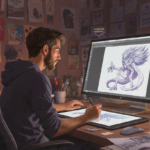

The distance between a mental concept and a tangible piece of art has traditionally been measured in years of technical practice. Whether it was mastering the physics of oil paint or learning the intricacies of digital rendering software, the “mechanical” side of creativity often acted as a barrier to those with strong ideas but limited formal training.
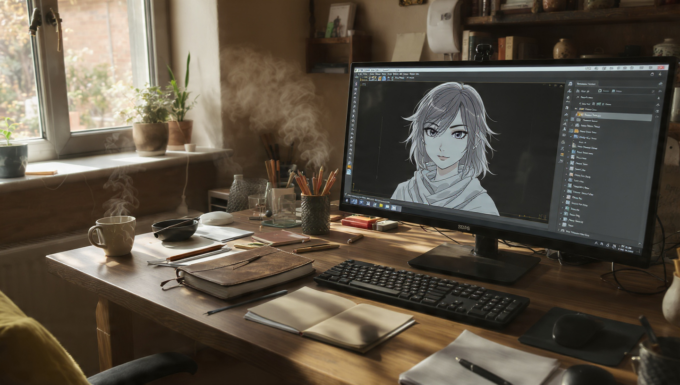
AI tools have fundamentally altered this dynamic by acting as a bridge between intent and execution. Instead of focusing on the manual production of a line or a shadow, creators can now use natural language to describe their vision, allowing the software to handle the technical rendering. This shift has turned art into a process of iterative exploration where the human acts as the director and the technology serves as the production crew.
✨ AI Insight: In 2026, artistic AI has moved beyond simple image generation into “context-aware composition,” where tools can maintain consistent styles and characters across an entire series of works. This allows for complex storytelling and brand building that feels cohesive, even when generated through a conversational interface.
Moving from Manual Drafting to Creative Direction
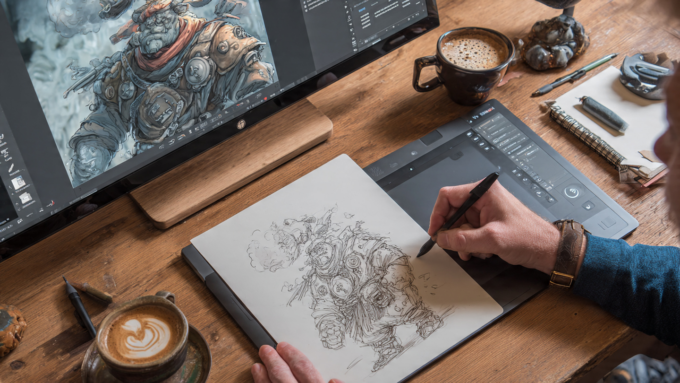
The most immediate change in the artistic workday is the shift from “drawing” to “directing.” In traditional workflows, a creator might spend hours on a single perspective sketch; today, they can generate multiple high-fidelity variations of that same concept in seconds. This speed allows for a level of experimentation that was previously impossible due to time constraints.
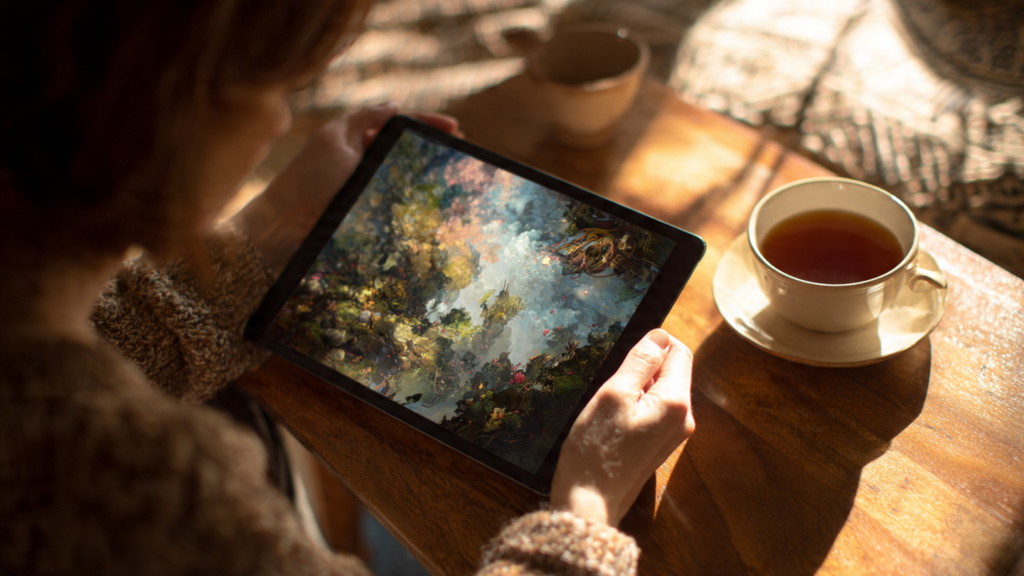
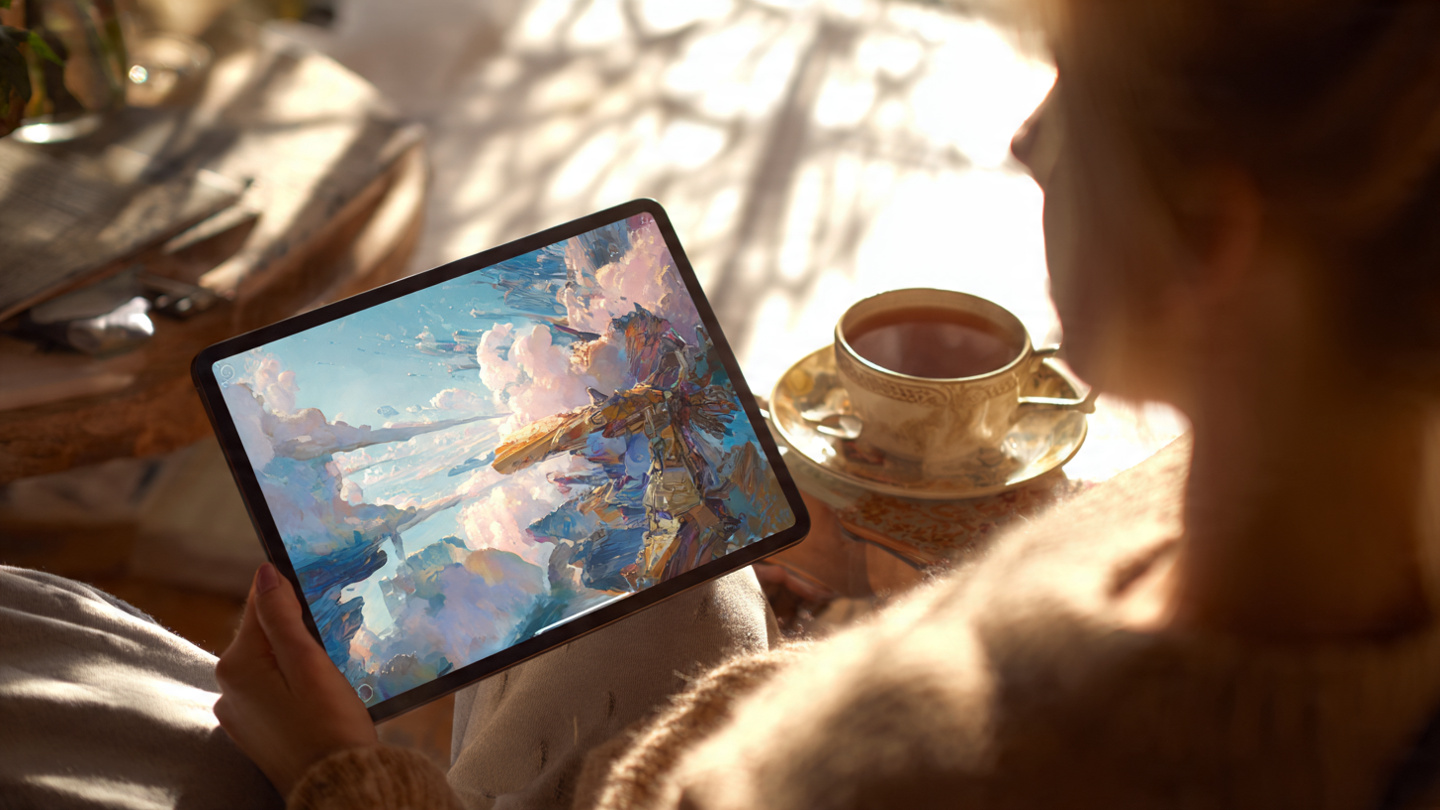
By offloading the repetitive “heavy lifting” of rendering and shading, artists can focus on the high-level elements of their work, such as composition, lighting, and emotional impact. The value of the artist is increasingly found in their “taste” and their ability to steer the technology toward a result that feels unique and purposeful.
This transition does not diminish the role of the artist; rather, it elevates it. The software provides the building blocks, but the human provides the “soul” and the narrative context. It is a collaborative partnership where the machine handles the math of the image while the person handles the meaning behind it.
The Power of Iterative Refinement
One of the reasons people love these tools is the ability to refine an idea through constant dialogue with the software. Features like “in-painting” allow an artist to highlight a specific area of a generated image and ask the AI to change just that section—perhaps swapping a sunset for a stormy sky or adding a specific detail to a character’s clothing.
This iterative process makes the creative journey feel more fluid and less rigid. If a specific direction isn’t working, the creator can pivot instantly without losing hours of manual labor. This encourages a more playful approach to art, where “failure” is simply another data point in the search for the perfect visual.
As these tools become more intuitive, they are increasingly being used to “unblock” the creative process. When an artist is stuck, they can use the AI to generate a series of “what-if” scenarios that spark new directions and perspectives, ensuring that the momentum of the project is never truly lost.
Democratizing Visual Expression for Everyone
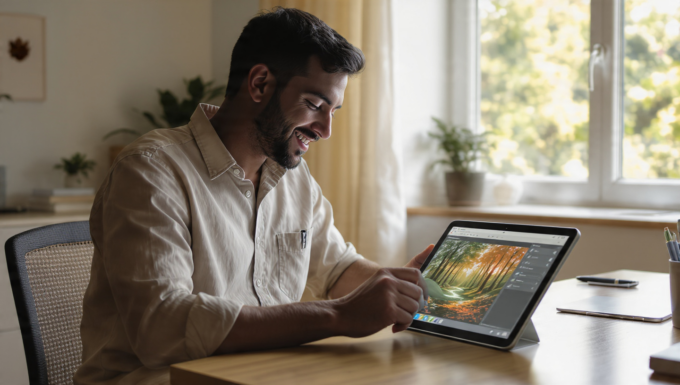
For a long time, high-quality visual art was the domain of those with the resources and time to pursue a specialized education. AI tools have democratized this space, allowing small business owners, writers, and hobbyists to create professional-looking illustrations and designs that were previously out of reach.
This democratization has led to a surge in diverse visual storytelling across the web. A novelist can now generate a high-fidelity map of their fictional world, or a local shop owner can create a beautiful poster for an event without needing a large marketing budget. It ensures that the ability to communicate visually is no longer a luxury.
When everyone has the power to see their ideas come to life, the digital world becomes a more vibrant and expressive place. The focus shifts away from the technical “gatekeeping” of art and toward the strength of the ideas themselves. It is a more inclusive way to build the visual culture of the future.
Why It Matters
Helping people turn ideas into art is about more than just making pretty pictures; it is about expanding the human capacity for communication. When the technical hurdles of production are removed, we are left with the purest form of creativity: the ability to share our unique perspectives with others.
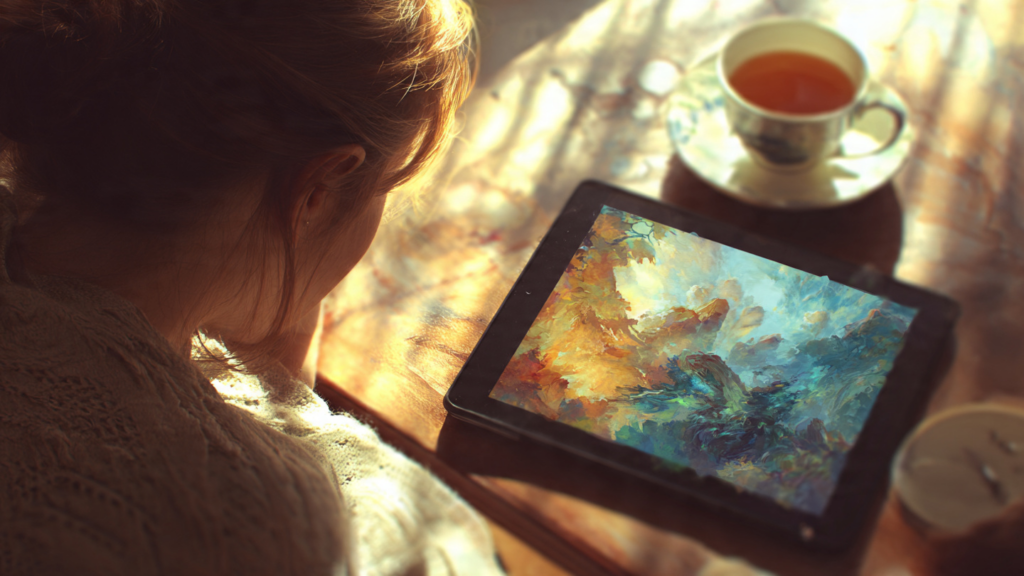
This technology allows us to reclaim our time and mental energy for the parts of the creative process that are uniquely human—empathy, storytelling, and cultural connection. By balancing the efficiency of the software with the authenticity of the artist, we can create work that is both technically impressive and deeply relatable.
As we move further into 2026, the most successful creators will be those who view AI as a supportive foundation. The goal is not to let the software do the thinking, but to use its power to amplify the human spark. Turning an idea into art is a journey, and with the right tools, that journey is now open to everyone.