

In the rapidly evolving landscape of 2026, health technology has transitioned from a specialized hobby into a fundamental pillar of daily existence. People no longer simply track steps; they manage their biological resources with clinical precision, utilizing a sophisticated ecosystem of wearables and ambient sensors to optimize every facet of their physical and mental performance.
The contemporary approach to daily health is characterized by “Continuous Vigilance,” where your accessories act as a proactive safety net. By anchoring your routine in real-time data, you move from the uncertainty of how you “feel” to the objective reality of how your internal systems are actually functioning throughout the day.
✨ AI Insight: In 2026, on-device AI analyzes raw physiological shifts to provide real-time coaching for stress and cognitive recovery before physical symptoms manifest.
1. Advanced Cardiovascular and Heart Health Monitors
The most essential category of tech used daily is the high-fidelity heart rate monitor, now integrated into nearly every premium wearable. Users rely on medical-grade sensors for continuous ECG (electrocardiogram) and AFib (atrial fibrillation) detection to guard against silent cardiac anomalies.

These devices have moved beyond recording raw pulse data to identifying subtle variations in Heart Rate Variability (HRV). This metric is used every morning to assess the state of the autonomic nervous system, helping people decide whether to engage in high-intensity work or prioritize rest.
By establishing a personalized baseline over months of wear, the technology can flag potential hypertension or irregular heart rhythms long before they require an emergency intervention. This constant surveillance provides a profound sense of security, making the wearable a life-saving instrument for daily peace of mind.
2. Integrated Sleep and Recovery Ecosystems
For many, the first interaction of the day involves reviewing an overnight sleep report generated by a discreet wearable or an under-mattress sensor. Modern trackers provide a high-resolution map of your sleep architecture, detailing your progression through light, deep, and REM cycles.
People rely on these “Readiness Scores” to plan their professional and physical schedules with surgical precision. If your recovery metrics indicate a poor night of restorative rest, you might choose to reschedule a high-stakes meeting or favor a lighter mobility session over a heavy workout.
This data-driven approach turns sleep into a strategic performance asset rather than just a passive necessity. It fosters a more sustainable lifestyle that respects your body’s need for repair as much as its need for output, ensuring long-term physical and mental resilience.
3. Real-Time Metabolic and Nutrition Trackers
A major trend in 2026 is the daily use of Continuous Glucose Monitors (CGMs) and metabolic trackers by non-diabetics to optimize energy levels. These sensors allow people to see the immediate impact of specific foods and meal timings on their internal blood sugar and metabolic health.
By linking what you eat to your subsequent energy peaks and crashes, the technology helps you build a “Functional Nutrition” plan tailored to your unique biology. It removes the guesswork from dieting, replacing “one-size-fits-all” advice with personalized evidence of what works for your body.
Users also rely on wearables to track hydration and electrolyte concentration, receiving nudges to drink water or replenish salts based on their actual sweat composition and activity levels. This ensures that you remain metabolically efficient and physically capable throughout even the busiest workdays.
4. Respiratory Efficiency and Blood Oxygen Sensing
Monitoring the quality of every breath has become a mainstream priority, especially for those living in urban environments or managing chronic respiratory concerns. Daily use of SpO2 (blood oxygen) sensors ensures that your muscles and brain are receiving optimal oxygenation.
These tools are particularly valuable during sleep, where they act as an early warning system for obstructive sleep apnea or irregular breathing patterns. Having this data available allows for early medical intervention, preventing minor disruptions from turning into long-term health crises.
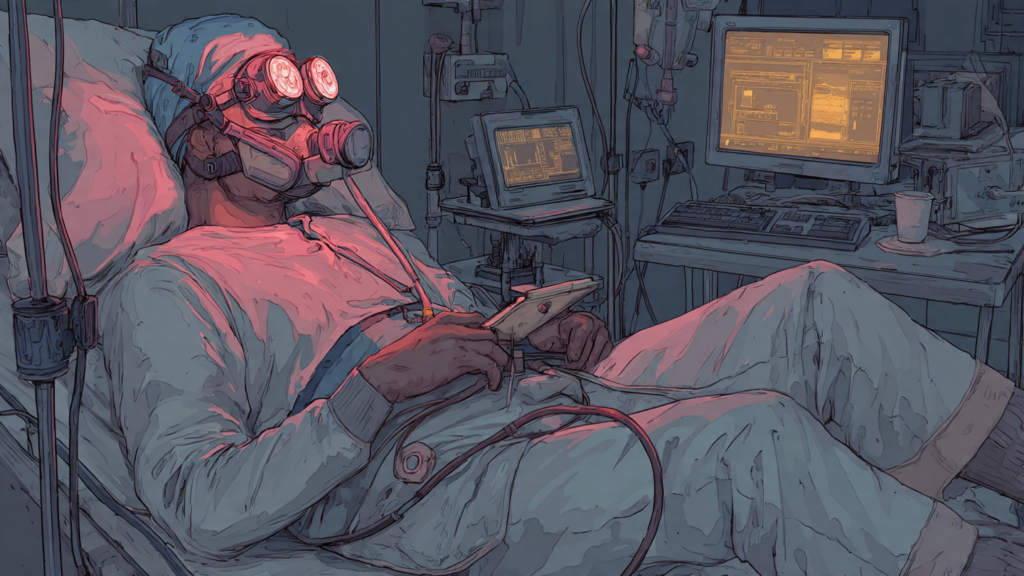
In 2026, many people also use smart masks or wearable air purifiers that track local air quality in real-time. These devices help you navigate high-pollution areas while providing data on your respiratory rate, turning a protective accessory into a sophisticated health diagnostic tool.
5. Proactive Stress Detection and Mindful Interventions
Managing the mental load of a high-pressure career is now a data-backed practice, as wearables utilize EDA (electrodermal activity) sensors to detect physiological signs of stress. People use these alerts to identify hidden triggers in their professional and personal environments.
When the device senses a spike in tension, it can prompt a brief haptic nudge suggesting a guided breathing exercise or a five-minute meditation. These micro-interventions help maintain emotional equilibrium throughout the day, preventing acute stress from turning into chronic burnout.
This proactive support turns the tracker into a mindful companion that guards your mental clarity and focus. It encourages the habit of “Checked-In Awareness,” where you are empowered to manage your emotional state before it negatively impacts your productivity or well-being.
6. Personal Safety and Emergency Response Systems
Finally, a significant segment of the population relies on their health tech for its life-saving safety features, such as fall detection and crash detection. If a sudden impact or a period of unresponsiveness is sensed, the device can automatically alert emergency services with your coordinates.
This safety net provides a deep sense of security for solo travelers, outdoor enthusiasts, and elderly users who live independently. It ensures that help is always within reach, regardless of your location, making the technology an essential insurance policy for personal security.
Newer models also feature Emergency Satellite SOS, allowing you to send distress signals from remote areas without cellular service. This “off-grid” reliability has transformed the health tracker from a convenience gadget into a critical survival tool for the modern era.