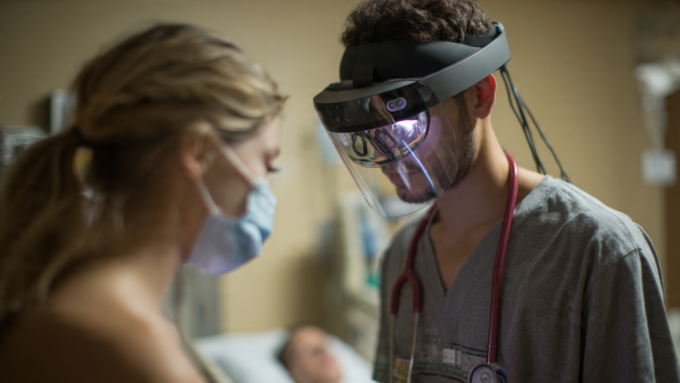


In the rapidly evolving landscape of 2026, the boundary between consumer electronics and professional medical devices has largely dissolved. We have moved beyond the era of simple step counters and entered a period where clinical-grade diagnostics are integrated into the very accessories we wear every day.
This transition toward “wearable medical tech” is driven by the need for continuous, real-time data that traditional episodic clinic visits cannot provide. By anchoring health monitoring in the daily lives of users, technology is shifting the focus of medicine from reactive treatment to proactive prevention.
✨ AI Insight: In 2026, on-device AI leadership has shifted from bold claims to consistent delivery, using lifecycle management to process real-time data directly into clinical workflows.
The Dawn of Continuous Vital Monitoring
The most significant change in 2026 is the ability to monitor complex biomarkers outside of a hospital setting through non-invasive sensors. Wearables are now capable of tracking heart rate variability, oxygen saturation, and even blood pressure trends with near-clinical accuracy.

This continuous stream of data allows physicians to establish highly personalized baseline values for every patient they treat. Instead of relying on a single snapshot taken in a doctor’s office, they can review weeks of trends to identify subtle changes before symptoms even appear.
By moving these diagnostic capabilities to the wrist, finger, or skin, healthcare has become less intrusive and more integrated into the user’s routine. It empowers individuals to take charge of their own vitality, turning daily life into a persistent and supportive clinical environment.
From Passive Trackers to Proactive Health Companions
The integration of advanced AI has transformed wearables from passive collectors of raw numbers into proactive, intelligent companions. These devices no longer wait for user input; they anticipate physiological fatigue or cardiac anomalies by reasoning over deviations from your baseline.
For instance, an AI-powered ring can now predict a surge in stress or a drop in hydration hours before the wearer becomes aware of it. This “Agentic AI” framework allows the device to act with purpose, suggesting immediate interventions such as breathing exercises or increased rest.
This shift ensures that the technology is focused on avoiding critical health situations rather than merely recording them after they occur. It represents a move toward autonomous systems that maintain performance and safety without the need for explicit commands from the user.
Specialized Medical Grade Form Factors
In 2026, the diversity of wearable form factors has expanded to include specialized tools for chronic disease management and post-operative care. Smart patches, electronic skin “dots,” and even smart contact lenses are now being used to track glaucoma or deliver medication.
Continuous Glucose Monitors (CGMs), like the Dexcom G7, have become a gold standard for diabetes management, sharing real-time data directly with healthcare providers. These devices remove the friction of traditional testing, providing alerts for dangerous glucose levels in real-time.
Additionally, smart textiles with microscopic sensors woven into the fabric are emerging as a new frontier for monitoring posture and respiration. These “second skin” wearables provide high-frequency measurement without the bulk of traditional hardware, making medical compliance as easy as getting dressed.
Redefining Remote Patient Monitoring (RPM)
Wearable medical tech is currently the primary engine driving the expansion of Remote Patient Monitoring (RPM) and home-based healthcare. Health systems are now managing larger populations with fewer in-person resources by utilizing automated sensor data streams.
During surgical recovery, a patient’s progress is monitored through sleep patterns, heart rate, and activity levels captured by their wearable. If the recovery process slows down, the doctor can intervene remotely, adjusting treatment plans without requiring a hospital visit.
This capability significantly reduces healthcare costs by preventing expensive emergency interventions through early detection of complications. It facilitates a more granular look at a patient’s vitals, leading to improved outcomes and a higher level of patient satisfaction and engagement.

Addressing the Ethics of Data and Privacy
As medical tech becomes more wearable and integrated, the importance of cybersecurity and trust-centric design has reached a critical peak. Regulators in 2026 demand that security be embedded by design throughout the total lifecycle of every connected medical device.
This includes transparent “Software Bill of Materials” (SBOM) and rigorous encryption to protect the massive amounts of personal health data being generated. Users must be clearly informed about what data is collected and how it is being used to support their treatment plans.
Maintaining this trust is essential for the continued adoption of wearables as a legitimate part of the healthcare ecosystem. Ensuring that algorithms perform safely and effectively over time is now a core requirement for any manufacturer entering the medical wearable market.
The Future of “Invisibly Integrated” Care
Looking forward, the trend is moving toward even more ambient and “invisibly integrated” solutions that require zero active user effort. This includes smart hearables that double as 24/7 health monitors and smart home gateways that track vitals through radar.
The goal is to move the burden of care from the health system to the technology itself, allowing for a more resilient and self-correcting wellness model. In this future, your environment and your accessories work together to guard your health while you focus on living.
As sensor technology continues to miniaturize, we will see even more discreet epidermal patches that can be worn for weeks without irritation. The wearable of the future will not be a gadget you choose to wear, but a seamless part of the clothes and accessories you already love.
Empowering Personal Autonomy and Longevity
Ultimately, the transformation of health tech into wearable form is about empowering the individual to master their own longevity. It provides the transparency needed to turn the pursuit of health into a measurable, rewarding, and daily practice that anyone can participate in.
By visualizing the direct impact of lifestyle choices on their internal biology, users are making more informed and intentional decisions every day. This continuous feedback loop is the foundation of a new era of personalized and preventive medicine for all.
The wearable medical device is the definitive instrument for anyone looking to build a healthy and high-performing life in 2026. It ensures that every heartbeat and every breath is working toward a more capable, secure, and long-lived version of yourself.