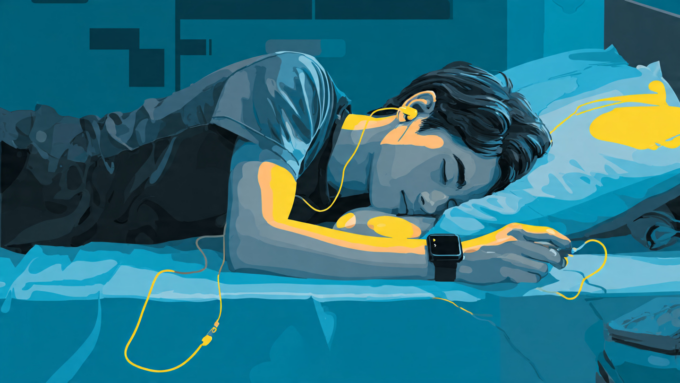


The surge in sleep technology popularity represents a fundamental shift in how modern society values restorative rest. In 2026, the global sleep tech market has exceeded $30 billion, driven by a growing recognition that high-quality sleep is the ultimate prerequisite for professional performance and physical longevity.
As technological barriers fall and sensor accuracy reaches clinical-grade levels, people are moving away from simple trackers toward comprehensive, AI-driven wellness ecosystems. This evolution turns the bedroom from a passive space into a proactive environment designed for total human optimization.
✨ AI Insight: Modern sleep tech utilizes “Biometric Forecasting” to analyze overnight vitals and predict your cognitive alertness and reaction times for the next twelve hours.
The Cultural Shift Toward Sleep as a Strategic Asset
The primary driver of popularity is the death of the “hustle culture” narrative that once glorified sleep deprivation as a badge of success. Today, high-performing individuals view sleep as a strategic investment that pays dividends in mental clarity and emotional resilience.
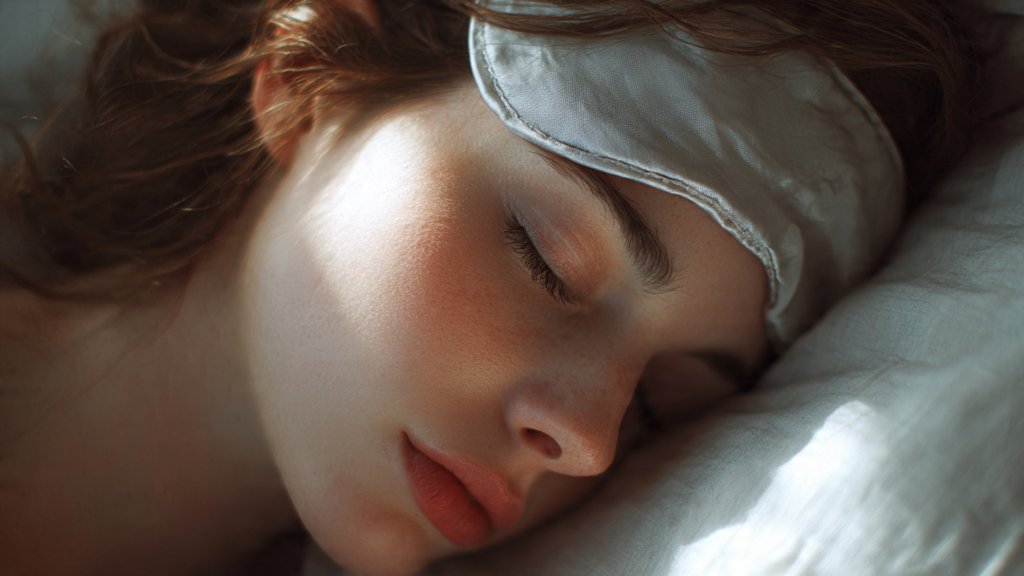
This cultural awakening has made sleep metrics a common point of discussion in professional and athletic circles alike. People are no longer satisfied with guessing how they feel; they want objective verification of their recovery to plan their high-stakes days with precision.
By visualizing the direct impact of rest on daily output, these tools provide the psychological permission to prioritize recovery. It encourages a lifestyle where “Biological Readiness” dictates the schedule, leading to more sustainable careers and a significantly higher quality of life.
The Rise of Non-Contact and Ambient Sensing
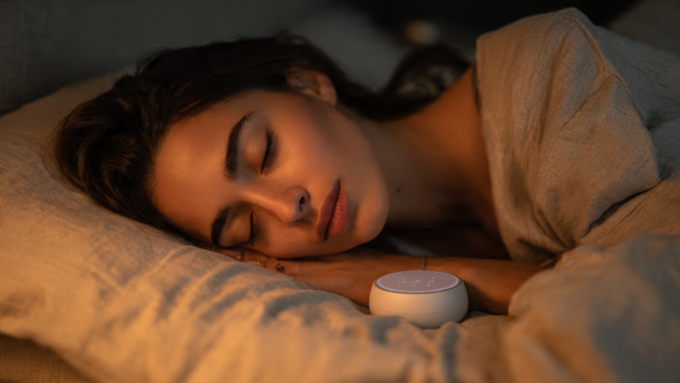
Mainstream adoption has been accelerated by the development of “invisible” technology that monitors health without requiring the user to wear anything. Devices like the award-winning Sleepal AI Lamp and under-mattress mats provide a frictionless experience for sensitive sleepers.
These ambient systems use millimeter-wave radar and acoustic sensing to track breathing and movement from a distance. This removes the “wearable fatigue” often associated with bulky smartwatches, making deep health monitoring accessible to those who prefer a more natural sleep environment.
This trend toward non-contact tech ensures total user compliance, as there is no device to charge or put on before bed. It allows for a continuous, multi-year stream of biological data, providing a comprehensive long-term map of an individual’s health and aging trajectory.
AI-Powered Personalization and Real-Time Adjustments
Artificial Intelligence has transformed sleep tech from a passive recording tool into an active, adaptive participant in your rest. Modern smart beds, such as the Neuro Wellness Youth Bed, can now adjust thermal controls and firmness in real-time based on your sleep stage.
These AI algorithms identify specific disturbances—like a spike in heart rate or a drop in blood oxygen—and make immediate environmental interventions. Whether it’s dimming the lights or adjusting your pillow position to curb snoring, the technology works to protect your sleep.
This level of hyper-personalization ensures that the technology is solving unique problems for every user, from adolescents to the elderly. It turns the complex science of sleep into a simple, automated luxury that works in the background to ensure you wake up at your absolute best.

Proactive Management of Global Sleep Disorders
The increasing prevalence of sleep disorders like insomnia and obstructive sleep apnea has created a massive demand for accessible diagnostic tools. With over a billion people at risk of sleep apnea globally, at-home diagnostic tech has become a vital first line of defense.
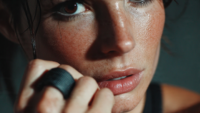
Trusted devices like the Withings Sleep Analyzer and the Oura Ring 4 provide the early warning signs needed to seek professional medical intervention. This proactive vigilance prevents minor sleep issues from developing into chronic conditions like cardiovascular disease or hypertension.
By offering a low-cost alternative to expensive, in-lab sleep studies, these consumer devices are democratizing professional-level healthcare. This social utility is a major reason why the technology is being embraced by both health-conscious individuals and medical professionals worldwide.
Integration with the Wider Longevity Movement
Sleep technology has become a cornerstone of the “Biohacking” and longevity movement, where users seek to slow the biological aging process. People rely on their data to audit the impact of their diet, exercise, and light exposure on their long-term “Biological Age.”
By maintaining a consistent, high-quality sleep architecture, users are able to support the cellular repair and hormonal regulation essential for a long life. The sleep tracker acts as a persistent sentinel for these metrics, providing a roadmap for a healthier and more resilient future.
This connection to the broader health ecosystem—including syncs with nutrition apps and smart home hubs—makes sleep tech an indispensable part of a modern lifestyle. It provides the transparency needed to turn the pursuit of longevity into a measurable, daily practice that anyone can master.
The Economic and Professional Value of Rest
In the corporate world, the link between sleep and productivity has led to the inclusion of sleep tech in many employee wellness programs. Companies are beginning to understand that a well-rested workforce is more creative, less prone to errors, and significantly more efficient.
Professionals use their “Energy Scores” to determine the optimal timing for deep work and critical decision-making throughout the day. This data-driven approach to the workday minimizes the risk of burnout and ensures that human effort is always aligned with biological capacity.
As more industries adopt this “Rest-First” philosophy, the popularity of sleep technology will only continue to grow and refine. It remains the definitive instrument for anyone looking to build a resilient, high-performance foundation for a healthy and successful life in 2026.