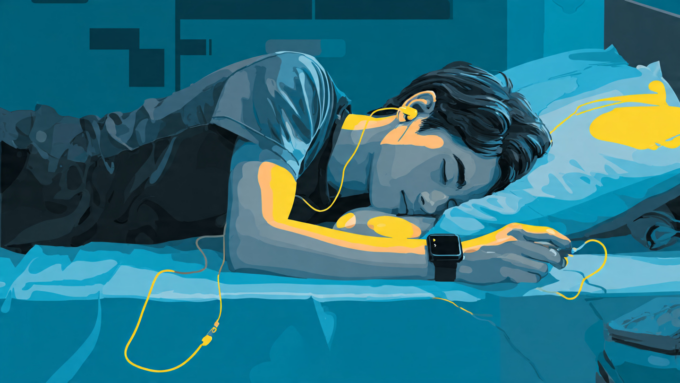

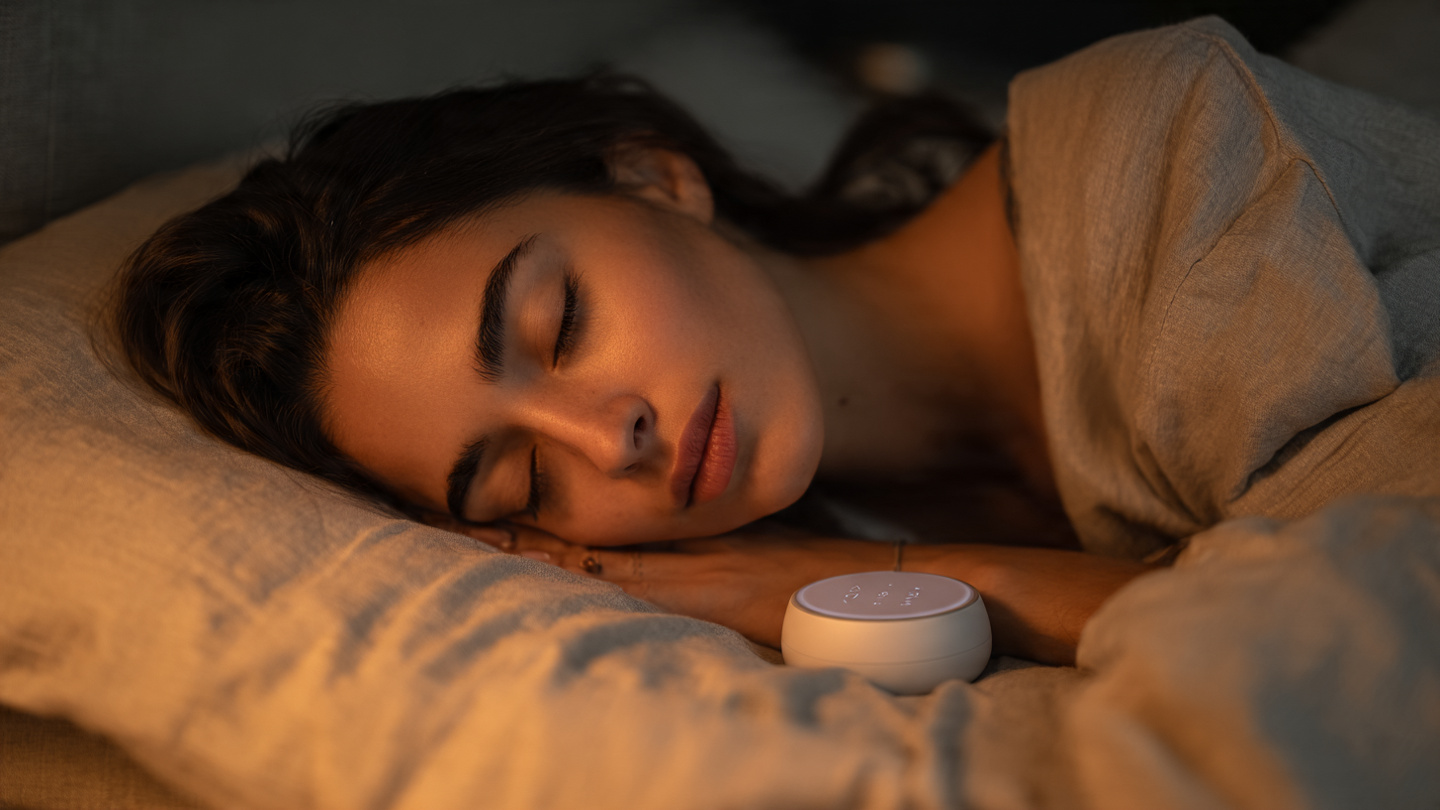
The evolution of sleep technology has reached a point where monitoring no longer requires a bulky commitment on your wrist. For those seeking “invisible” support, the trend in 2026 has shifted toward non-intrusive trackers that either disappear under your mattress or sit subtly on your finger as a piece of jewelry.
These devices prioritize “passive monitoring,” allowing you to gather clinical-grade data without the physical or digital friction of a screen. By removing the distraction of glowing displays and haptic buzzes, you can maintain a natural sleep environment that protects your melatonin production and restorative rest.
✨ AI Insight: Modern passive sensors utilize “Ballistocardiography” to detect microscopic heart and lung vibrations through your mattress, providing data rivaling wearable tech.
The Rise of Under-Mattress Sleep Mats
For the ultimate non-intrusive experience, under-mattress sensors like the Withings Sleep Analyzer have become the definitive gold standard. These thin, pneumatic pads slip beneath your mattress and require no charging or active engagement from the user once installed.

They monitor heart rate, respiratory patterns, and body movement through the surface of the bed, offering a completely “wearable-free” lifestyle. This technology is particularly favored by sensitive sleepers who find any object on their body to be a disruption to their natural rest.
Because they are plugged into a permanent power source, these mats offer continuous monitoring without the “data gaps” caused by dead batteries. They turn your existing bed into a sophisticated health hub that provides a medical-grade sleep report every morning via your smartphone.
Discreet Intelligence with Smart Rings
Smart rings, such as the Oura Ring 4 and the Samsung Galaxy Ring, offer a middle ground between traditional wearables and non-wearable mats. Crafted from lightweight titanium, these rings are designed to be forgotten the moment they are slid onto the finger.
Unlike smartwatches, rings have no screens to light up your room and no heavy bands to catch on your sheets during the night. They leverage the high vascular density of the finger to provide highly accurate readings of your heart rate variability and blood oxygen levels.
The “weightless” feel of a ring ensures total user compliance, as it doesn’t cause the skin irritation or pressure points often associated with wristbands. It is the perfect choice for those who want deep health insights but prefer a device that blends seamlessly into their jewelry collection.
Screen-Free Recovery Bands for Minimalists
For users who prefer a wrist-based approach without the distraction of a computer screen, the Whoop 5.0 has emerged as a top-tier minimalist choice. This faceless strap is designed to be purely functional, focusing entirely on data collection and recovery coaching.
The band’s “Any-Wear” technology even allows the sensor to be tucked into specialized garments, such as waistbands or sports bras, for a completely off-the-wrist experience. This versatility makes it one of the most adaptable and non-intrusive wearable systems on the market.
By removing the screen, Whoop eliminates the urge to check notifications in the middle of the night, which is a major win for sleep hygiene. It fosters a more intentional relationship with your data, where you only engage with your metrics when you are fully awake and ready.
Smart Sleep Masks and Immersive Headbands
A new category of non-intrusive tech involves devices that serve a dual purpose, such as the Bía Smart Sleep Mask or the Muse S Athena Headband. These tools track your vitals while simultaneously providing active support for falling asleep through light blocking and soundscapes.
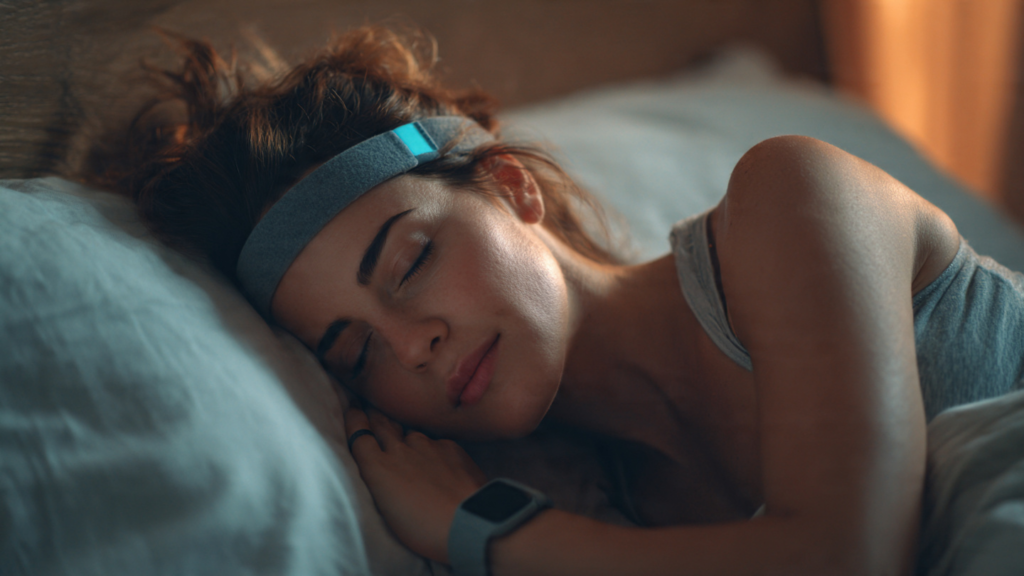
The Muse S uses soft, flexible fabric and spandex to ensure the sensors remain comfortable even for side sleepers who might find traditional hardware too rigid. It monitors brain activity and heart rate, helping you transition into sleep through guided meditations and biofeedback.
By integrating the tracker into an item you already use—like a sleep mask—the technology feels less like a medical device and more like a comfort accessory. It is an ideal solution for travelers or those who struggle with racing thoughts and need a dedicated “Off-Switch” for the mind.
Low-Profile Fitness Bands for Light Tracking
If you still prefer a traditional tracker but want to minimize the bulk, ultra-slim bands like the Fitbit Inspire 3 or Fitbit Luxe provide a balanced compromise. These devices are significantly narrower than standard smartwatches, offering a “weightless” feel on the wrist.
Their low-profile design ensures they don’t get caught on clothing or bedding, making them much more comfortable for overnight wear than a chunky Apple Watch. They provide all the essential sleep stage data and “Sleep Profiles” within an affordable and discreet package.
While they do have screens, they can be set to a “Sleep Mode” that prevents the display from waking you up with accidental touches. This makes them a reliable entry point for those who want a versatile tracker that is still comfortable enough for consistent 24/7 use.
The Future of Ambient and “Invisibly Integrated” Tech
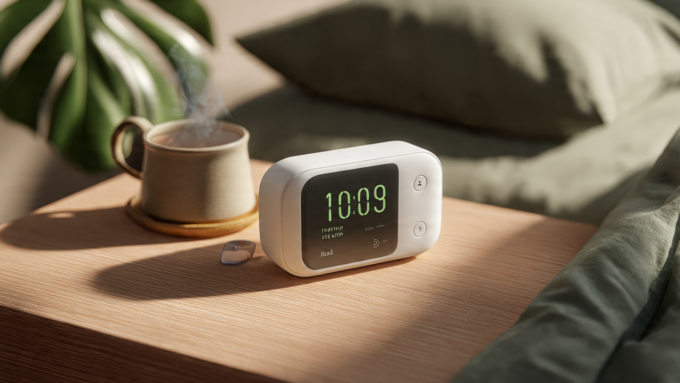
Looking forward, the trend is moving toward even more ambient solutions, such as the Google Nest Hub (2nd Gen), which uses Soli radar technology. This device sits on your nightstand and tracks your breathing and movement without you having to wear anything or place anything in your bed.
This level of “Ambient Sensing” represents the peak of non-intrusive design, as the technology operates entirely in the background of your environment. It can even detect coughing or snoring, providing context for why you might feel less than refreshed the next morning.
As we continue to prioritize long-term health and longevity, the move toward invisible support will only accelerate. The most successful sleep trackers of the future will be the ones that we don’t even know we are using, allowing us to focus entirely on the quality of our rest.