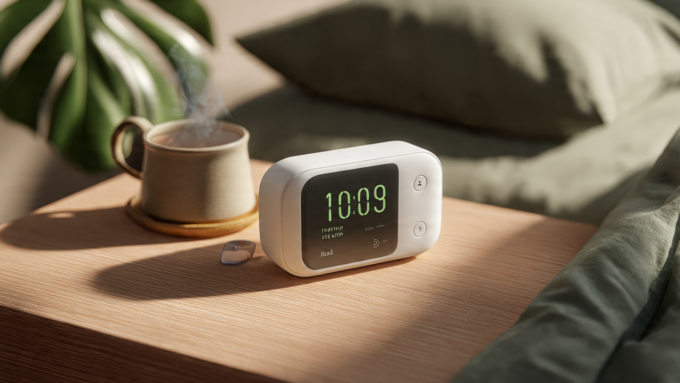

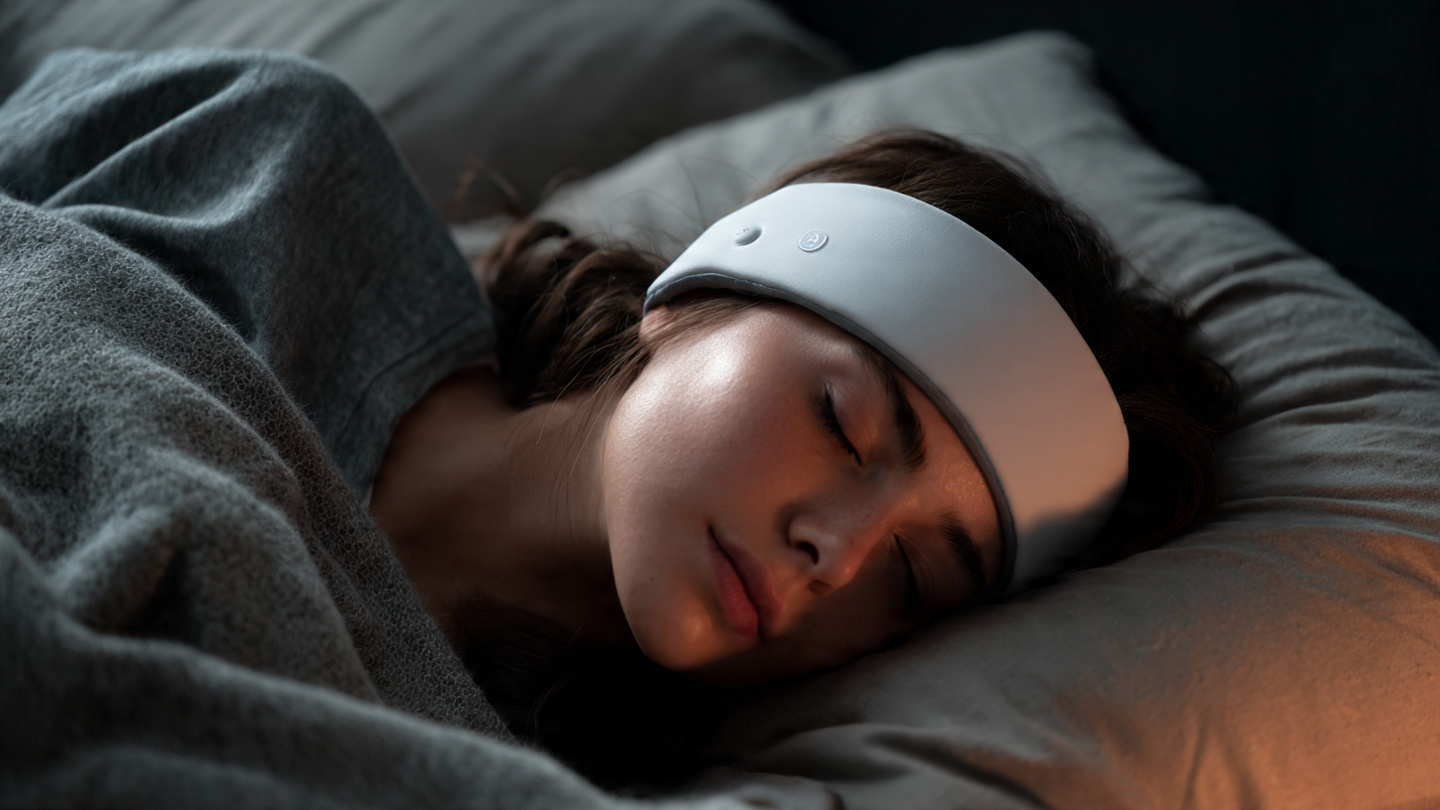
In the high-performance culture of 2026, sleep has transcended its status as a passive biological necessity to become a strategic asset. People are increasingly curious about their sleep data because they recognize that overnight recovery is the primary engine for cognitive sharpness, emotional resilience, and metabolic health.
The contemporary interest in sleep metrics is driven by a desire for objective transparency in a world where subjective feelings of “tiredness” are often unreliable. By anchoring their daily routines in hard data, users are reclaiming control over their long-term vitality and professional performance.
✨ AI Insight: Modern trackers utilize “EEG Biomarkers” and neural modeling to detect early neurodegenerative shifts and predict daily cognitive efficiency based on sleep architecture.
1. The Quest for Professional and Cognitive Optimization
In the competitive professional landscape, the ability to maintain peak focus and decision-making clarity is a major driver of data curiosity. People rely on their sleep scores to determine their “Cognitive Readiness” for high-stakes meetings or creative tasks.
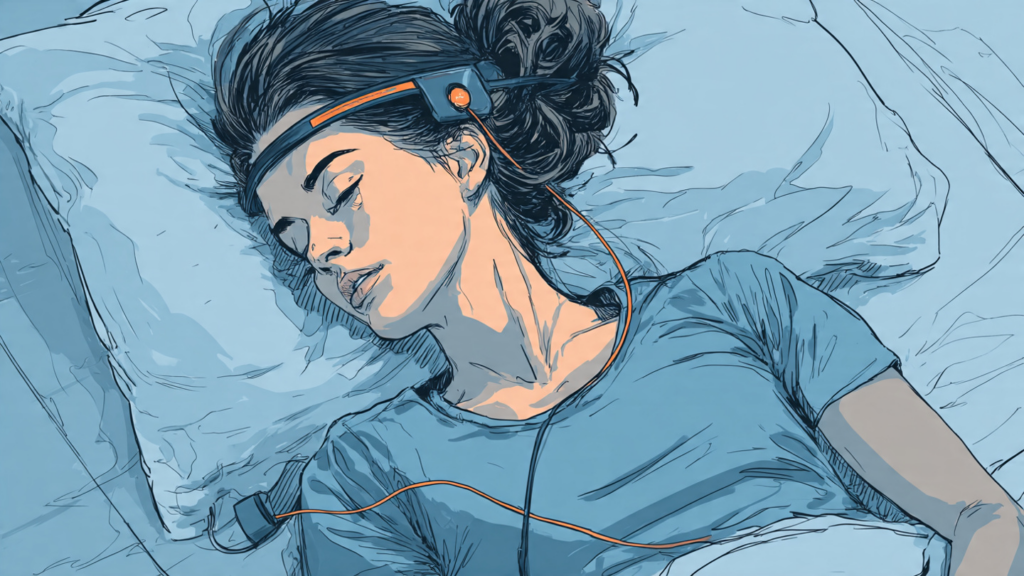
By understanding the direct link between REM sleep and executive function, users can strategically manage their workloads based on their recovery status. This data-driven approach allows for a “Biological Schedule” where the most demanding tasks are aligned with the highest levels of neurological rest.
2. Uncovering the Hidden Architecture of Health
There is a growing fascination with the “invisible” work the body performs during the night, particularly the role of deep sleep in physical repair. People use their data to ensure they are getting enough slow-wave sleep to support hormone regulation and immune system optimization.
Tracking sleep stages provides a window into metabolic health, as consistent rest is now known to be a primary regulator of appetite and blood sugar. This curiosity stems from a holistic view of wellness, where sleep is the foundation that supports every other health goal, from fitness to longevity.
3. Auditing the Impact of Modern Lifestyle Triggers
People are increasingly using sleep data to perform “Lifestyle Audits” on their daily habits and environmental factors. They are curious to see the measurable impact of evening caffeine, alcohol consumption, or late-night screen exposure on their actual sleep quality.
This cause-and-effect transparency acts as a powerful motivator for behavioral change, providing the evidence needed to stick with a healthier routine. It turns the abstract goal of “better sleep” into a quantifiable experiment, allowing users to fine-tune their environment for maximum restorative efficiency.
4. Proactive Vigilance Against Long-Term Risks
In an era of preventive medicine, sleep data serves as an early warning system for a variety of systemic health issues. Users are curious about anomalies—such as irregular breathing or heart rate spikes—that could signal conditions like sleep apnea or chronic stress.
By identifying these trends early, individuals can seek professional medical intervention before minor disruptions turn into chronic diseases. This proactive vigilance provides a profound sense of security, making the sleep tracker an essential insurance policy for future health.
5. The Influence of the “Data-Driven Self”
There is a psychological shift toward the “Quantified Self,” where individuals feel more empowered when their subjective experiences are validated by data. Seeing a “good sleep score” provides positive reinforcement that can improve mood and confidence for the day ahead.
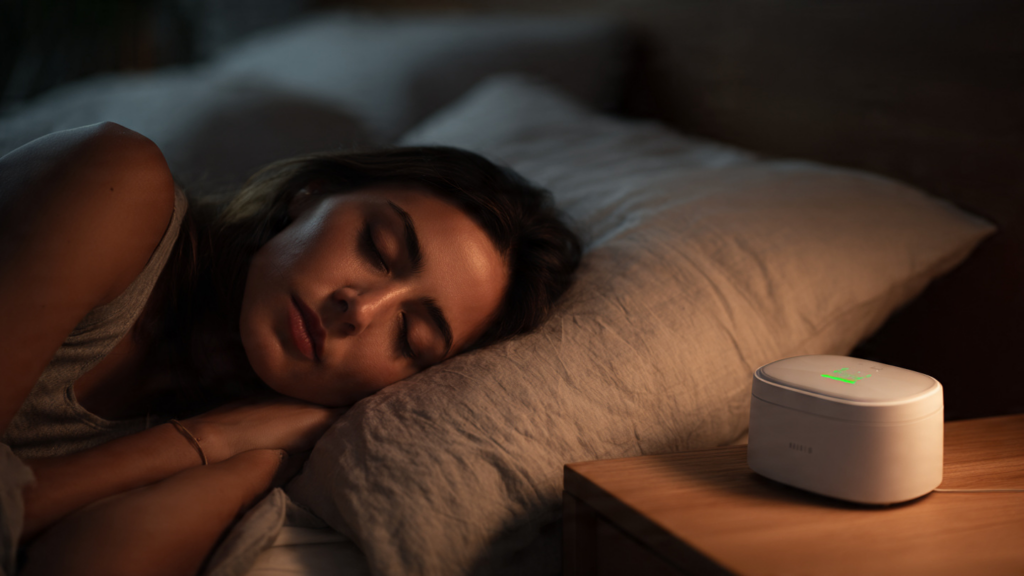
This curiosity is fueled by the desire for a “Biological Mirror” that reflects the true state of the body’s internal systems. It satisfies a fundamental human need for self-knowledge, allowing people to navigate their lives with a sense of informed autonomy and balanced strength.