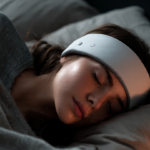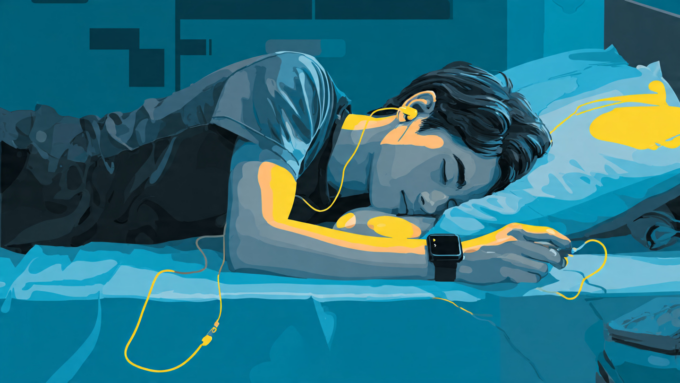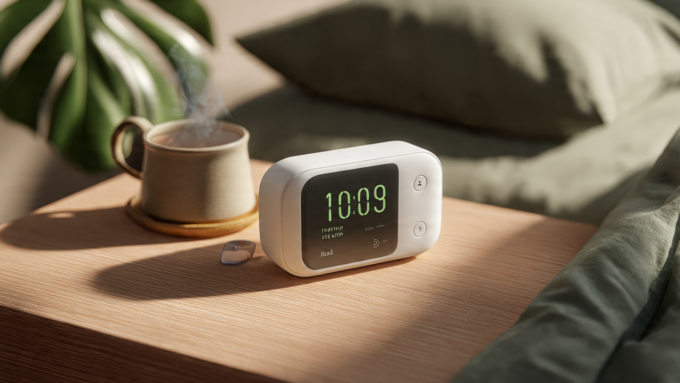

The transition from viewing rest as a passive necessity to a data-driven strategy is a defining trend in modern wellness. Today, enthusiasts rely on a specific suite of sophisticated features to decode the “black box” of their nocturnal recovery and optimize their daily performance.
By translating the silent hours of the night into actionable metrics, these tools empower individuals to manage their biological resources with surgical precision. This transparency ensures that technology serves as a foundation for mental clarity and long-term physical vitality.
✨ AI Insight: Modern trackers utilize “Biometric Forecasting” to analyze overnight vitals and predict your cognitive alertness and reaction times for the next twelve hours.
1. High-Resolution Sleep Staging
The most utilized feature in the current landscape is the detailed breakdown of sleep architecture into light, deep, and REM cycles. Users are deeply curious about these transitions, as each stage serves a distinct biological function for the body and mind.
A tracker provides a transparent map of the night, identifying whether you are achieving the deep sleep required for physical tissue repair and immune function. It also monitors REM cycles, which are critical for emotional regulation, creativity, and the consolidation of complex memories.
Having this high-fidelity view allows individuals to identify specific disruptions—such as environmental noise or temperature shifts—that they might not consciously remember. It turns the mystery of sleep into a clear narrative, providing the clarity needed to make meaningful lifestyle adjustments.
2. Morning Readiness and Energy Scoring
One of the most popular daily interactions involves checking a “Readiness Score” or “Energy Score” upon waking up. This feature synthesizes overnight metrics like heart rate variability (HRV), resting heart rate, and sleep duration into a single, actionable number.
This score acts as a strategic compass for the day, telling you whether to push for a high-intensity workout or prioritize restorative rest. By grounding your morning in objective recovery data, you remove the emotional guesswork from your professional and physical schedule.
Starting the day with this insight allows for the management of energy with a level of precision that was previously impossible. It fosters a more sustainable lifestyle that respects the body’s internal limits while maximizing its potential for peak output.
3. Continuous Skin Temperature Monitoring
Advanced wearables are now equipped with high-precision thermistors that track skin temperature multiple times per minute throughout the night. Users rely on this feature to identify “thermal trends” that can signal the onset of an illness or a shift in metabolic state.
Because these devices maintain a constant, snug connection with the skin, they can detect variations as small as 0.1 degrees Celsius. This data is particularly valuable for identifying if the body is struggling to recover from intense physical exertion or environmental stressors.
This proactive monitoring transforms the tracker into a silent sentinel for personal health and risk mitigation. It encourages a lifestyle of “Biological Forecasting,” where you can adjust your behavior the moment your vitals deviate from your personal baseline.
4. Respiratory Rate and Blood Oxygen Tracking
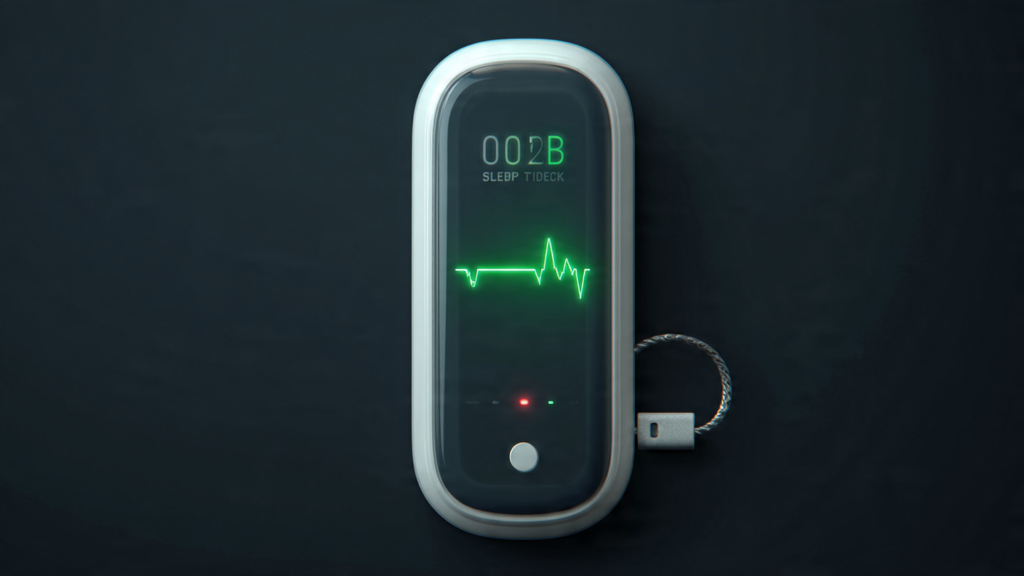
Monitoring the quality of breathing during the night has become a mainstream priority for those focused on cardiovascular health. Features that track respiratory rate and blood oxygen (SpO₂) provide a critical layer of safety and long-term wellness vigilance.
These tools are frequently used to identify early markers of conditions such as sleep apnea or chronic snoring, which can significantly impair restorative rest. By flagging these anomalies early, the tracker encourages users to seek professional advice before minor issues become major crises.
The ability to visualize your breathing patterns provides a profound sense of security for users and their families alike. it ensures that you are always informed of your body’s oxygen efficiency, providing a constant check on your physical well-being during sleep.
5. Smart Alarms and Natural Wake Cycles
The “Smart Alarm” has become a favorite feature for those looking to eliminate the jarring shock of traditional audio alerts. These trackers monitor your movements to identify when you are in a light sleep phase, waking you up at the most biologically appropriate moment.
This prevents the grogginess and “sleep inertia” associated with being pulled suddenly out of deep or REM sleep stages. By waking up in harmony with your natural rhythms, you start the day feeling more alert, emotionally balanced, and ready to engage with your tasks.
This synchronization between your internal clock and your external schedule represents a fundamental shift in morning routines. It turns the act of waking up into a seamless transition that supports your overall momentum rather than disrupting your recovery.
6. Environmental Auditing and Habit Linking
Users frequently leverage their trackers to audit the direct impact of daily habits and environmental factors on their sleep quality. By linking specific behaviors—like evening caffeine or alcohol—to lower sleep scores, the tracker acts as a powerful motivator for change.
Environmental factors like room temperature and humidity can also be cross-referenced with your sleep data in many modern ecosystems. This allows you to create a “Perfect Sleep Environment” that is tailored to your documented biological preferences and restorative needs.
This cause-and-effect evidence is often the final push many people need to stick with a healthier, more consistent wind-down routine. It turns the act of sleeping into a deliberate, health-enhancing practice that is constantly being refined through objective feedback.
7. Stress Detection and Nighttime HRV
Monitoring Heart Rate Variability (HRV) during the night is a primary tool for assessing the state of the autonomic nervous system. A high nighttime HRV is a strong indicator of a resilient system that is successfully recovering from the previous day’s stresses.
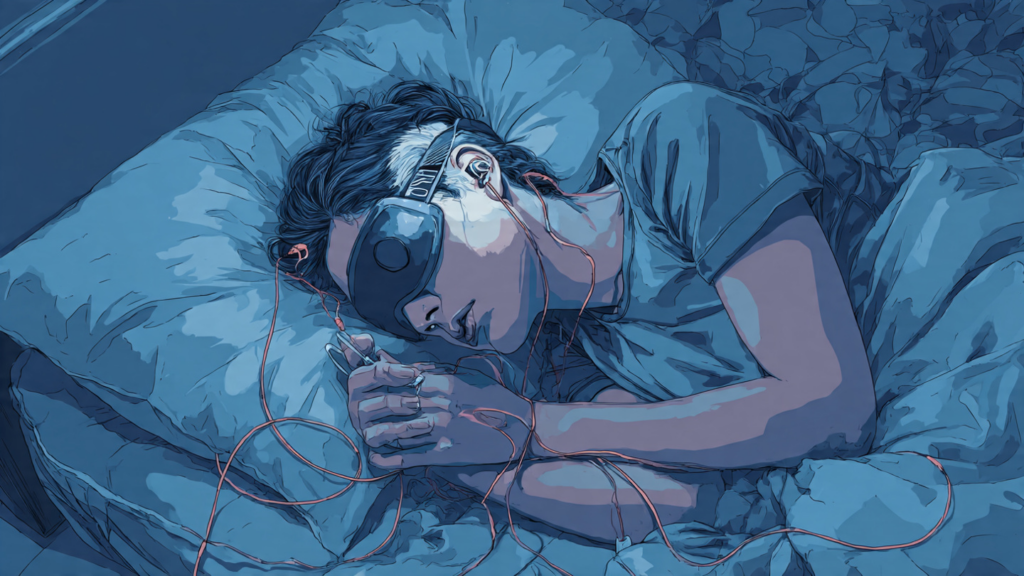
Users track this metric to see how emotional stress or physical overwork manifests in their internal biology while they sleep. It provides a level of self-knowledge that helps you understand the “invisible” toll of your professional and personal life.
By identifying trends in your stress resilience over weeks and months, the tracker helps you build a more balanced and sustainable lifestyle. It empowers you to take ownership of your mental load, ensuring that your recovery remains a top priority in a fast-paced world.