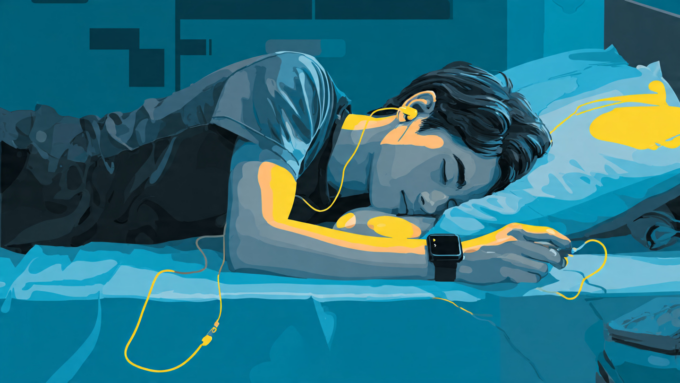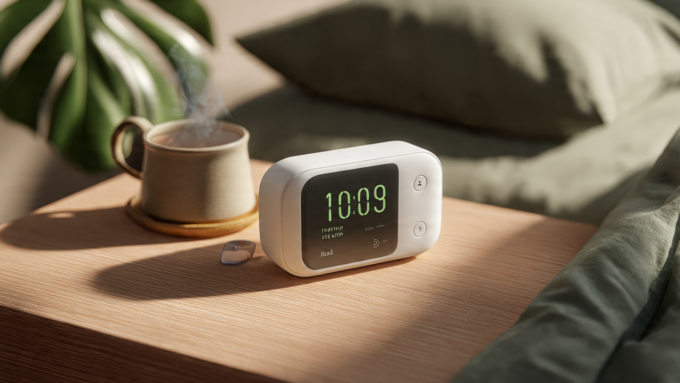


The transition from viewing sleep as a passive necessity to a data-driven strategy has reached a definitive peak in today’s wellness culture. Modern sleep trackers have moved beyond being simple clocks to become sophisticated biological laboratories that sit quietly on your nightstand or skin.
By translating the silent, mysterious hours of the night into actionable metrics, these devices empower you to understand your personal recovery signature. This clarity ensures that technology acts as a master key for mental clarity and physical vitality throughout your waking hours.
✨ AI Insight: In 2026, trackers use “Biometric Forecasting” to analyze overnight vitals and predict your cognitive alertness for the coming twelve hours.
Decoding the Intricate Stages of the Night
One of the primary ways a sleep tracker improves rest is by revealing the invisible architecture of your nocturnal cycles through high-resolution sensors. Users gain a transparent view into their time spent in light, deep, and REM sleep, each serving a distinct restorative purpose.
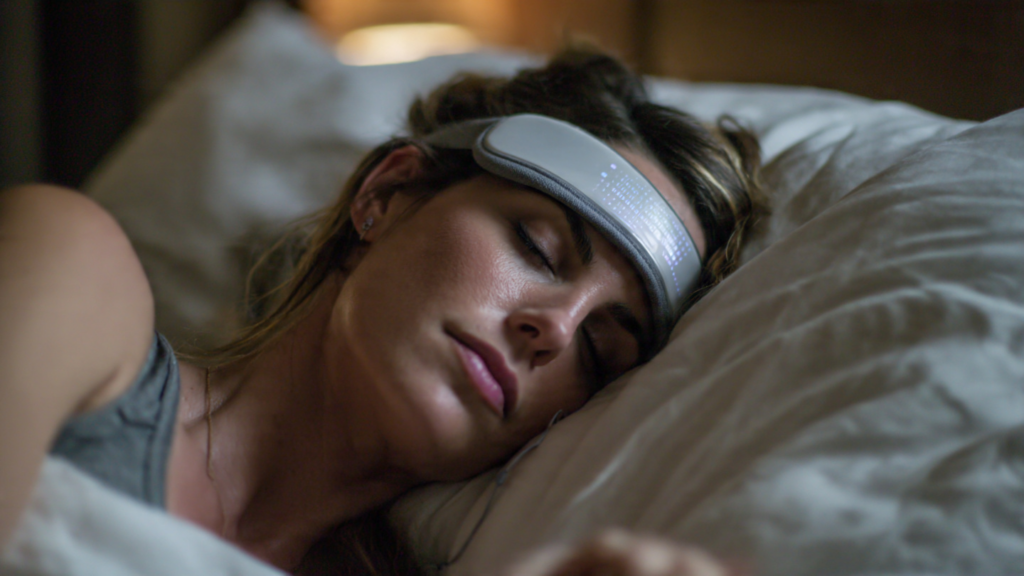
A tracker provides a detailed map of these transitions, identifying whether your body is successfully entering the deep sleep required for physical tissue repair. It also monitors REM cycles, which are critical for emotional regulation and the consolidation of complex memories during the day.
Having this high-fidelity view of the night allows you to identify specific disruptions that you might not consciously remember upon waking up. It turns the “black box” of sleep into a clear narrative, providing the necessary evidence to make meaningful lifestyle adjustments.
The Morning Compass: Personalized Readiness Scores
Modern sleep trackers have revolutionized the morning routine by providing a “Readiness Score” that synthesizes overnight heart rate variability and sleep quality. This single, actionable number serves as a strategic compass, telling you exactly how much energy you have for the day.
By grounding your morning in objective recovery data, you can decide whether to push for a high-intensity workout or prioritize restorative active recovery. This data-driven approach removes the emotional guesswork, ensuring your daily output is always aligned with your actual capacity.
Starting the day with this insight allows you to manage your professional and physical energy with surgical precision across your entire schedule. It fosters a more sustainable lifestyle that respects your body’s need for rest as much as its need for peak performance.
Identifying Behavioral Triggers and Lifestyle Patterns
Sleep trackers are essential for auditing the direct impact of your daily habits and environmental factors on the quality of your nocturnal rest. Users rely on these tools to see exactly how evening caffeine, alcohol, or late-night screen time affects their deep sleep duration.
By linking specific behaviors to lower sleep scores, the tracker acts as a powerful motivator for positive habit formation and lasting change. It provides the “cause-and-effect” proof that many people need to stick with a healthier, more consistent wind-down routine.
Environmental factors like room temperature, humidity, and ambient light can also be cross-referenced with your sleep quality in modern ecosystems. This allows you to create a “Perfect Sleep Environment” that is tailored to your documented biological preferences and needs.
Proactive Management of Long-Term Wellness Risks
Beyond daily performance, the use of sleep trackers is increasingly driven by a concern for long-term health and risk mitigation through vigilance. Continuous monitoring can identify early markers of conditions such as sleep apnea, chronic insomnia, or restless leg syndrome.
By flagging these anomalies early, the tracker encourages users to seek professional medical advice before minor issues become chronic health crises. This proactive approach to health is a core reason why these devices are now considered essential tools for personal longevity.
The ability to track respiratory rate and blood oxygen levels throughout the night provides an additional layer of security and safety. It ensures that you are always informed of your cardiovascular health, acting as a constant silent sentinel for your physical well-being.

The Role of Smart Alarms and Natural Rhythms
One of the most practical features for improving daily rest is the “Smart Alarm,” which coordinates your wake-up time with your natural sleep cycles. These trackers monitor your movements to identify when you are in a light sleep phase, waking you up at the ideal moment.
This prevents the jarring disorientation and “sleep inertia” that often occur when an alarm pulls you suddenly out of a deep sleep stage. By waking up in harmony with your biological rhythms, you start the day feeling more alert, focused, and emotionally balanced.
This synchronization between your internal clock and your external schedule is a fundamental shift in how we approach the start of the day. It turns the act of waking up from a stressful interruption into a seamless transition that supports your overall morning momentum.
Closing the Loop on Holistic Self-Knowledge
Ultimately, the power of a sleep tracker lies in its ability to foster a deeper relationship between your daily actions and your internal biology. We are no longer satisfied with guessing how we feel; we want the objective data to confirm or challenge our perceptions.
This continuous feedback loop creates a more conscious approach to rest, turning sleep into a deliberate and health-enhancing daily practice. It provides the transparency needed to reclaim your nights and, by extension, master the quality of your waking life.
As these trackers become even more sophisticated and integrated, they will continue to refine our understanding of human performance and longevity. The sleep tracker is the definitive tool for anyone looking to build a resilient foundation for a high-functioning and healthy life.