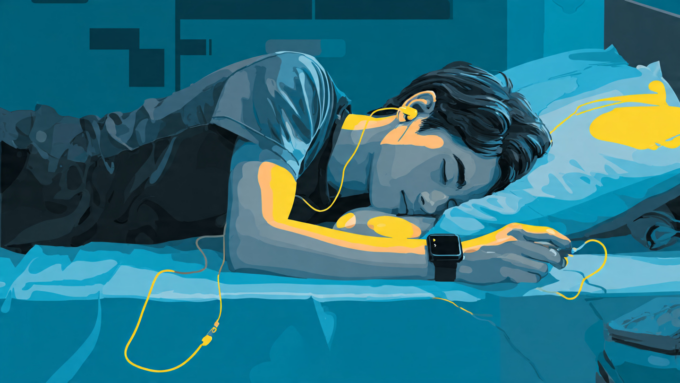

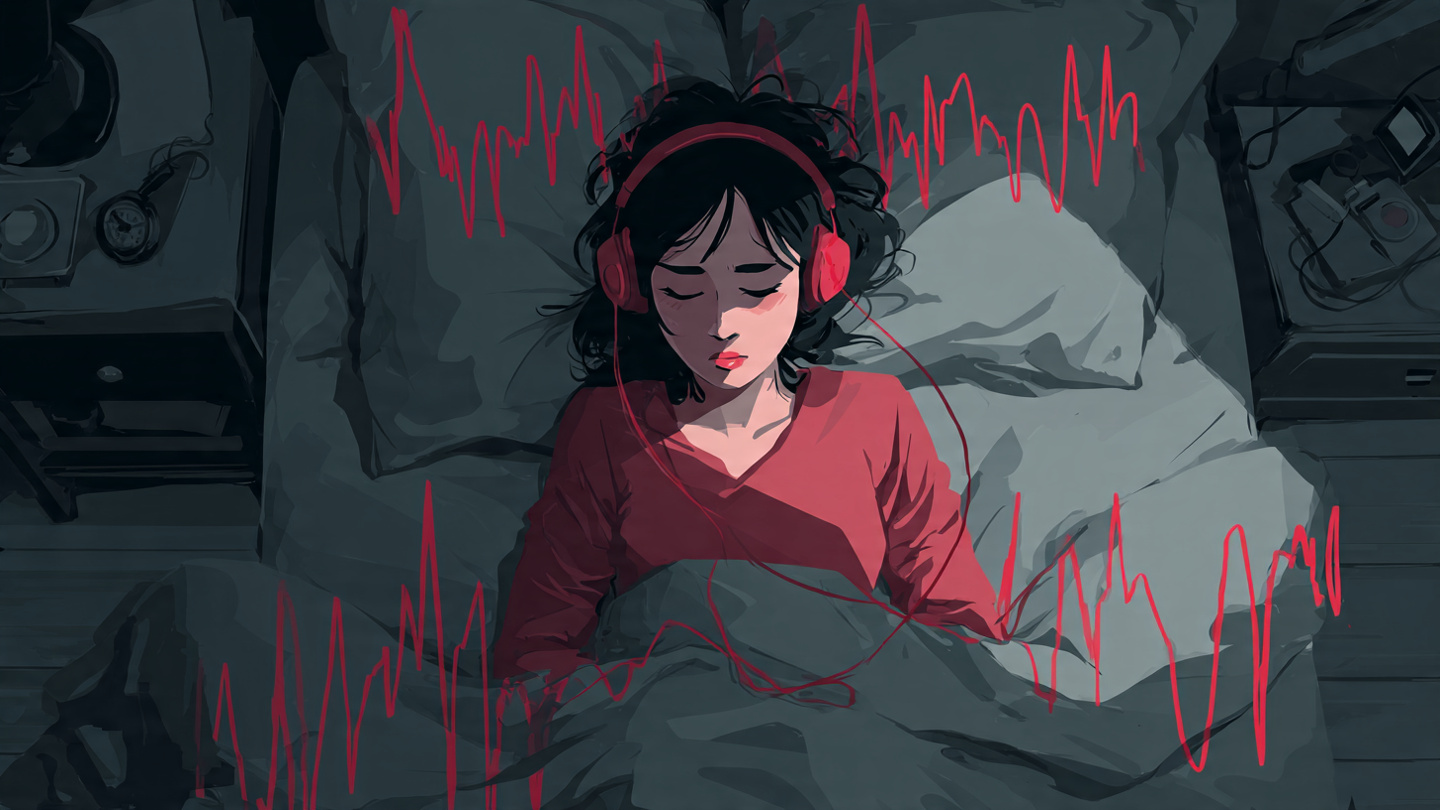
In the modern landscape of high-performance health, the pursuit of restorative rest has moved from a passive necessity to a data-driven strategy. Sleep trackers have become ubiquitous because they offer a transparent window into the most mysterious third of our lives.
By translating the silent hours of the night into actionable metrics, these devices empower individuals to understand their personal recovery patterns. This transition toward objective sleep analysis ensures that technology serves as a foundation for mental and physical thriving.
✨ AI Insight: Modern trackers use “Biometric Forecasting” to analyze overnight vitals and predict your cognitive alertness for the coming twelve hours.
The Cultural Shift Toward Sleep as a Pillar of Health
For decades, the cultural narrative surrounding productivity often glorified “the hustle” and late-night labor at the expense of sleep. However, a profound shift has occurred as society begins to recognize that restorative rest is the ultimate prerequisite for high-level performance.
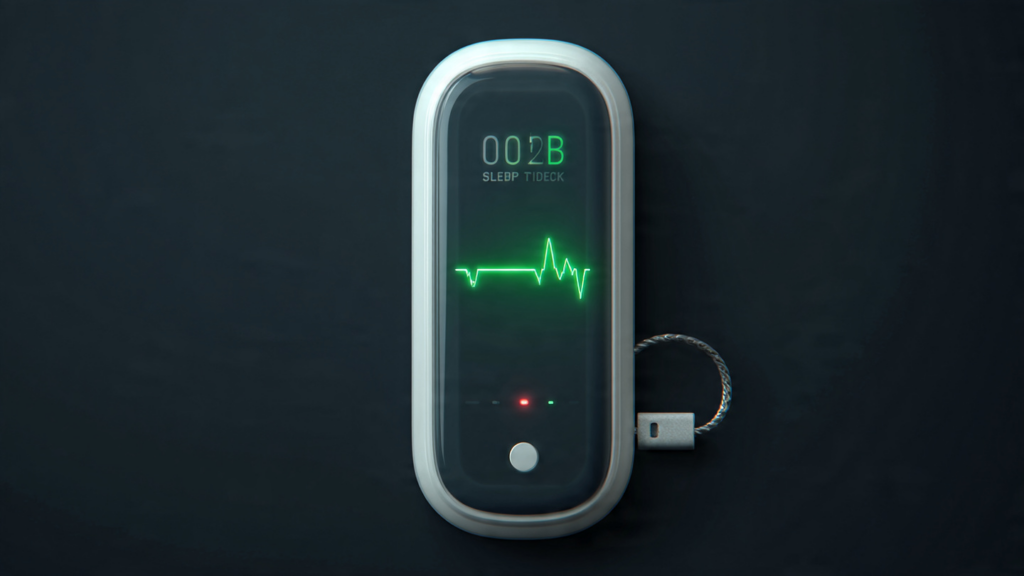
This new awareness has turned sleep into a measurable asset that people are eager to optimize through technological assistance. Sleep trackers provide the objective evidence needed to prioritize rest, helping users move away from the “sleep when I’m dead” mentality.
By visualizing the direct impact of sleep quality on daily mood and physical vitality, these tools have made wellness a high-visibility goal. The democratization of sleep science has turned the average person into a data-conscious manager of their own recovery cycles.
Decoding the Hidden Architecture of the Night
One of the primary reasons sleep trackers are becoming common is their ability to reveal the invisible stages of our nocturnal cycles. Users are deeply curious about their time spent in light, deep, and REM sleep, as each serves a distinct biological function.
A tracker provides a detailed map of these transitions, identifying whether the body is successfully entering the deep sleep required for physical repair. It also monitors REM cycles, which are critical for emotional processing and complex cognitive consolidation during the day.
Having this high-resolution view of the night allows individuals to identify specific disruptions that they might not consciously remember. It turns the “black box” of sleep into a clear narrative, providing the clarity needed to make meaningful lifestyle adjustments.
The Quest for Personalized Recovery Intelligence
Every human body has a unique circadian rhythm and recovery signature, and generic health advice is no longer sufficient for the modern user. Sleep trackers provide a level of hyper-personalization that allows people to understand what actually works for their specific biology.
By tracking metrics like heart rate variability (HRV) and skin temperature, these devices create a “Recovery Profile” that is unique to the individual. This intelligence helps users determine the exact timing of their “sleep window” for maximum restorative efficiency.
This move toward “Recovery IQ” ensures that users are not just sleeping longer, but sleeping smarter based on their actual internal data. It empowers individuals to take a scientific approach to their downtime, maximizing the ROI of every hour spent in bed.
Identifying Environmental and Behavioral Triggers
Sleep trackers are frequently used to audit the direct impact of daily habits and environmental factors on the quality of nocturnal rest. Users rely on these tools to see how evening caffeine, alcohol consumption, or late-night screen time affects their data.
By linking specific behaviors to poor sleep scores, the tracker acts as a powerful motivator for positive habit formation and change. It provides the “cause-and-effect” evidence that many people need to stick with a healthier, more consistent bedtime routine.
Environmental factors like room temperature, humidity, and ambient light can also be cross-referenced with sleep quality in modern smart home ecosystems. This integration allows for a “Perfect Sleep Environment” that is tailored to the user’s documented biological preferences.
Proactive Management of Long-Term Wellness Risks
Beyond daily performance, the widespread use of sleep trackers is driven by a growing concern for long-term health and risk mitigation. Continuous monitoring can identify early markers of conditions such as sleep apnea, chronic insomnia, or restless leg syndrome.
By flagging these anomalies early, the tracker encourages users to seek professional medical advice before minor issues become chronic health crises. This proactive vigilance is a core reason why these devices are now considered essential tools for personal longevity.
The ability to track respiratory rate and blood oxygen levels throughout the night provides an additional layer of security and safety. It ensures that the user is always informed of their cardiovascular health, providing a constant silent sentinel for their physical well-being.
The Influence of Wearable Comfort and Compliance
The technical evolution of wearables has played a major role in making sleep tracking a common and effortless daily habit. Early devices were often bulky and intrusive, but modern rings and slim bands offer a “weightless” experience that users forget they are wearing.
High compliance is critical for accurate sleep data, and today’s materials—like medical-grade silicone and titanium—ensure total comfort. This physical ease allows for uninterrupted, multi-year data collection that reveals long-term trends in the user’s health.
The psychological friction of “charging anxiety” has also been addressed through extended battery lives that last for a week or more. This reliability ensures that the tracker remains on the body, providing a continuous loop of feedback that supports a healthy lifestyle.
Integration with the High-Performance Work Routine
In the professional world, sleep trackers are increasingly seen as a tool for maintaining cognitive edges and preventing corporate burnout. High-level executives use their “Readiness Scores” to determine the best times for critical decision-making or public speaking.
By understanding their energy peaks and troughs, professionals can align their work tasks with their biological recovery status. This data-driven approach to scheduling improves overall productivity while protecting the individual from the physical toll of overwork.
Companies are even beginning to incorporate sleep wellness programs into their employee benefits, recognizing the link between rest and creativity. The sleep tracker has become a symbol of a balanced, modern career that values health as much as it values output.
Closing the Loop on Holistic Self-Knowledge
Ultimately, the popularity of sleep trackers is a testament to the human desire for deeper self-understanding and biological autonomy. We are no longer satisfied with guessing how we feel; we want the objective data to confirm or challenge our subjective perceptions.
This continuous feedback loop fosters a more conscious relationship with our own bodies, making us more resilient to the stresses of modern life. It provides the transparency needed to turn the act of sleeping into a deliberate, health-enhancing practice.
As these trackers become even more sophisticated, they will continue to move toward the center of our preventive health strategies. The sleep tracker is the pioneer of a future where every person has the power to manage their own longevity through the science of rest.