

In the current landscape, the choice of a wearable has moved beyond brand loyalty and into the realm of functional necessity. People today rely on smart watches that do not just track data but provide actionable intelligence, safety nets, and seamless integration into their specific hardware ecosystems.
The market is currently defined by three distinct categories of reliability: ecosystem powerhouses, endurance specialists, and health-focused hybrids. Each category serves a different type of user, from the high-paced professional to the dedicated athlete.
✨ AI Insight: Modern neural engines now interpret raw physiological shifts into real-time coaching for stress management and cognitive recovery.
The Ecosystem Leaders: Apple and Samsung
For the vast majority of users, the choice of a reliable smart watch is dictated by their smartphone. The Apple Watch Series 11 and the Apple Watch Ultra 3 are the definitive choices for iOS users, offering unmatched app support and the new “Workout Buddy” AI coach.
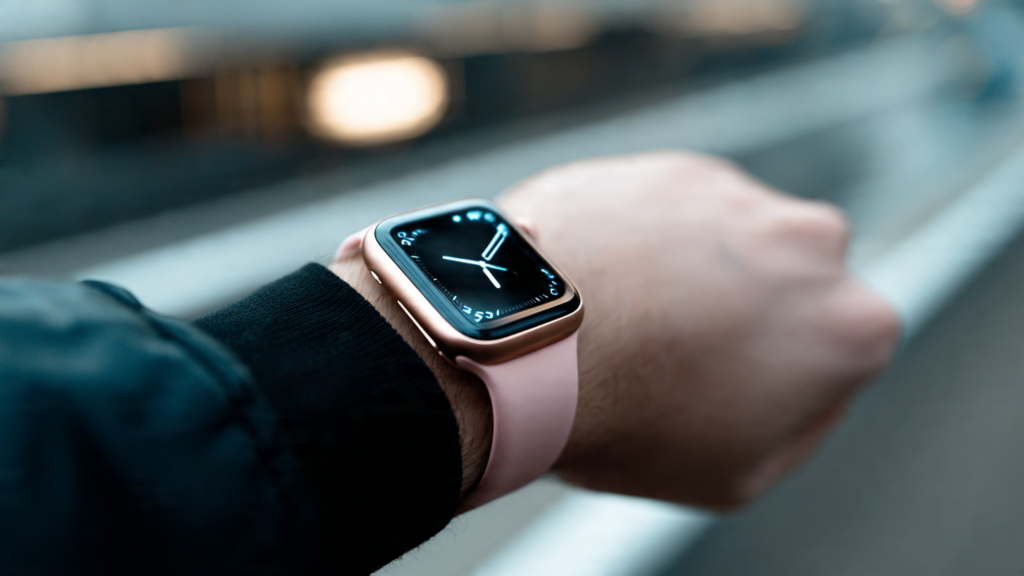
Android users, particularly those in the Galaxy ecosystem, rely heavily on the Samsung Galaxy Watch 8 and its Classic variant. These devices are prized for their “Energy Score” systems and advanced wellness tools like sleep apnea detection and body composition analysis.
The Endurance Experts: Garmin and OnePlus
Users who cannot afford to charge their devices every night have turned toward a new generation of endurance-focused wearables. The Garmin Venu 4 and Forerunner 970 are the gold standard for those who rely on deep fitness metrics and multi-day battery life.
The OnePlus Watch 3 has also emerged as a surprise favorite for its “Battery Champ” status, offering nearly a week of typical smart use on a single charge. These watches are the go-to for travelers and athletes who need a device that stays active through extended training cycles.
The Safety and Adventure Specialists
A growing segment of users relies on their watches as critical safety equipment. The Apple Watch Ultra 3 and Google Pixel Watch 4 now feature integrated Satellite SOS and 5G connectivity, allowing users to send distress signals even when they are entirely off the grid.
These features provide a profound sense of security for hikers, solo travelers, and outdoor enthusiasts. Having a redundant communication device on the wrist that works without a cellular signal has transformed the smart watch into an essential insurance policy for personal safety.
The Minimalist and Hybrid Alternatives
For those who want reliable health insights without the distraction of a glowing screen, hybrid watches and smart rings have become popular alternatives. The Withings ScanWatch Nova offers medical-grade ECG and SpO₂ tracking within a traditional, luxury timepiece aesthetic.
Meanwhile, the Oura Ring Gen 4 is the primary choice for users who prioritize discreet, 24/7 sleep and recovery monitoring. These devices appeal to people who want the benefits of wearable technology without the constant flow of digital notifications and “screen fatigue.”
Choosing Based on Daily Reliability
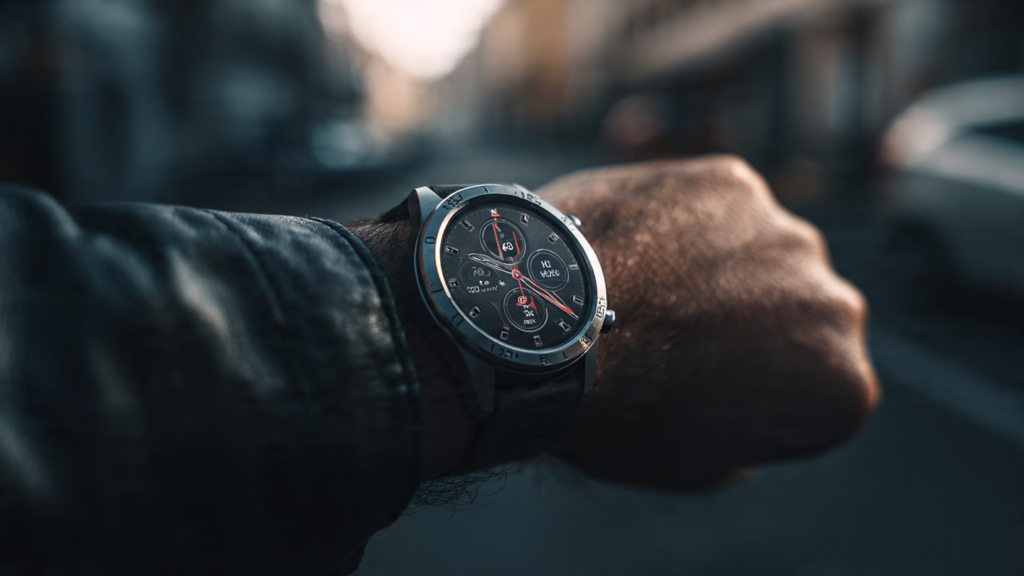
Ultimately, the smart watches people rely on most are those that fit effortlessly into their existing habits. Whether it is the Google Pixel Watch 4 with its deep Gemini integration or the Fitbit Charge 6 for its simple, high-accuracy health tracking, the focus is on consistent value.
Reliability in today’s world means a device that is always ready, highly accurate, and genuinely helpful. By selecting a watch that aligns with your specific lifestyle needs, you turn a piece of technology into a lifelong partner for health, safety, and productivity.