
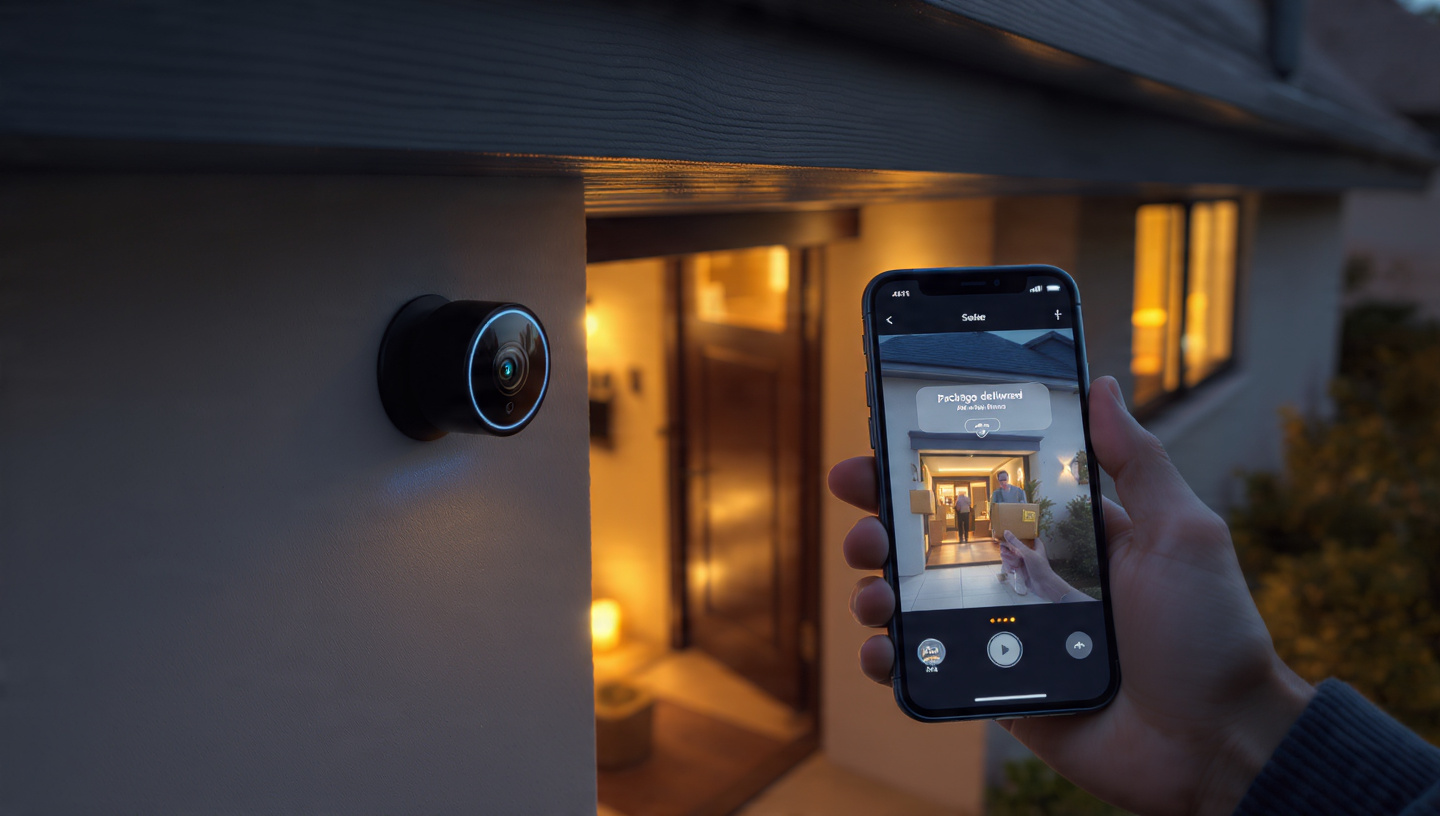
There is a specific kind of modern anxiety that comes with leaving your home unattended, whether it is for a ten-hour workday or a two-week vacation. We’ve all felt that nagging doubt about whether the back door was truly locked or if a delivered package is still sitting safely on the porch. In 2026, smart security has moved beyond being a high-tech gadget and has become the ultimate cure for this “mental clutter.”
By replacing the “fear of the unknown” with real-time, visual certainty, these systems have fundamentally changed how we relate to our personal sanctuaries. Peace of mind is no longer about having the loudest siren on the block; it is about having a quiet, intelligent guardian that keeps you informed without being intrusive. It turns your home into a communicative partner that looks out for itself while you focus on the rest of your life.
✨ AI Insight: Smart security in 2026 utilizes “Edge-AI” to distinguish between family members and strangers locally, ensuring your private data stays in your home while you stay informed.
The Psychological Power of Immediate Awareness
The most profound shift in 2026 is the transition from reactive security to proactive, real-time awareness. In the past, you only knew something was wrong after the alarm went off or when you returned to a package-less porch. Today, the “peace of mind” comes from the fact that you are the first to know the second a meaningful event occurs.
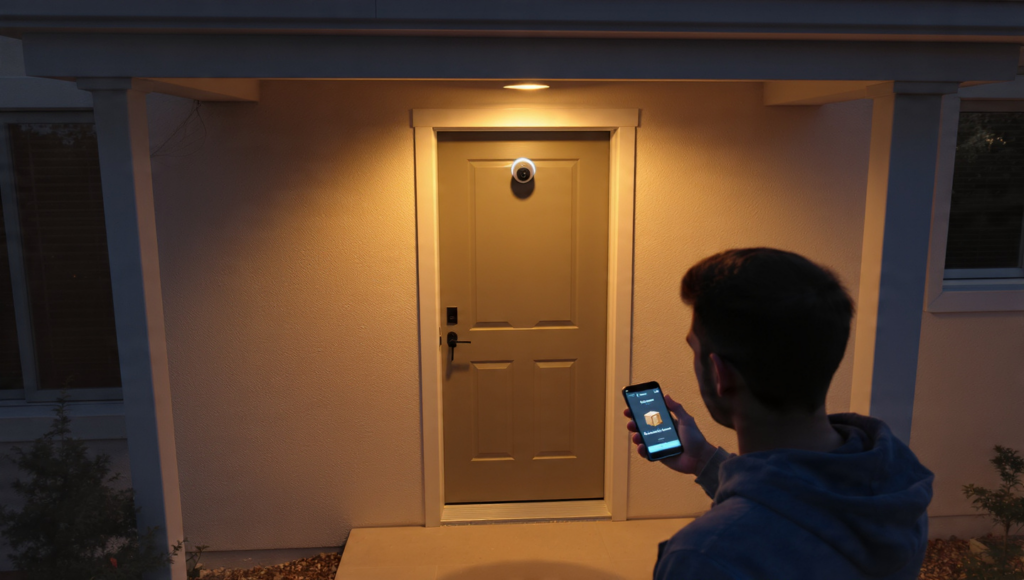
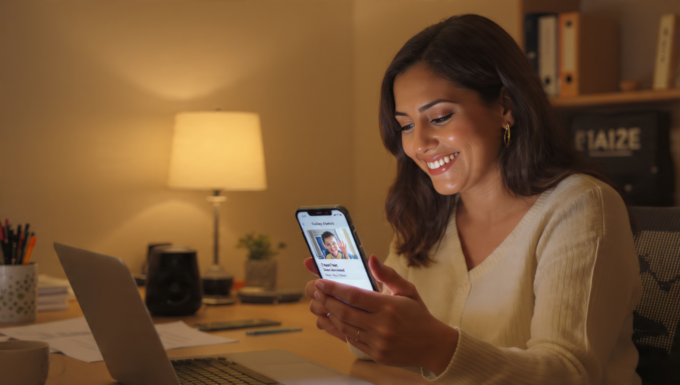
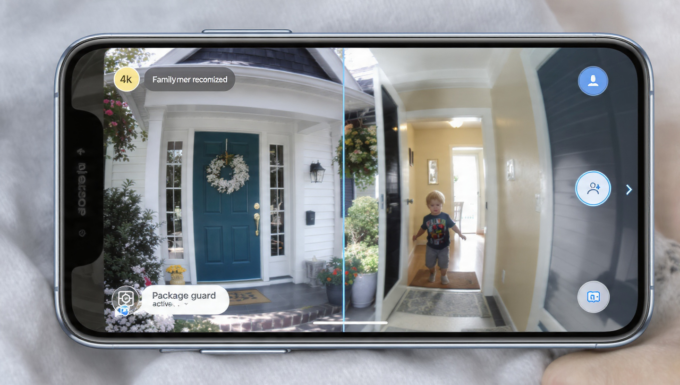
Whether it is a notification that your child has walked through the front door or a high-definition clip of a delivery driver, this immediate feedback loop acts as a powerful stress-reducer. It removes the “what if” scenarios from your mind, replacing them with a concrete, visual reality that you can check from anywhere in the world.
This continuous connection creates a psychological “safety net” that allows for a deeper level of relaxation throughout the day. When you can “see” your home’s status with a single tap on your smartphone, the physical distance between you and your property no longer feels like a point of vulnerability. It provides a sense of command that traditional, silent security systems simply cannot match.
Filtering the Noise to Focus on What Matters
A major source of stress with early security technology was “alert fatigue”—the constant buzzing of a phone due to shadows, wind, or a passing neighborhood cat. In 2026, advanced AI has solved this by filtering out the mundane background noise of daily life and only interrupting you when something truly requires your attention.
Modern cameras are now intelligent enough to recognize familiar faces, meaning your phone won’t alert you every time your spouse or roommate comes home. However, the moment an unrecognized person lingers near your perimeter, the system provides a high-priority alert. This precision builds a high level of trust between the homeowner and the technology.
By ensuring that every notification is actually relevant, smart security allows you to stay present in your current moment. You don’t have to constantly check your feeds “just in case” because you know the system is vigilant enough to handle the filtering for you. It is this reliability that fosters long-term peace of mind and makes the technology feel like a supportive assistant.
The Reassurance of Active Deterrence
There is a unique confidence that comes from knowing your home can actively defend itself before a situation escalates. In 2026, smart security tools like video doorbells and floodlight cameras are equipped with active deterrence features—such as integrated sirens, spotlights, or two-way audio—that can be triggered automatically.
If a camera detects a trespasser after midnight, it can be programmed to flash a light or play a warning tone that lets the intruder know they are being recorded. This proactive “first line of defense” often prevents a crime from ever being attempted, which is far more reassuring than simply having footage of an event after it has happened.
Knowing that your home is a “hard target” changes the way you feel when you turn out the lights at night. The system doesn’t just watch; it reacts, providing a visible and audible presence that guards your boundaries. This sense of fortification allows for a more restful sleep, as the technical “eyes” of the house are much sharper and more tireless than our own.
Caring for the Most Vulnerable Family Members
For many families in 2026, the greatest source of peace of mind is using smart security to look after pets and elderly relatives. The ability to check in and see that an aging parent is moving safely around their home or that a pet isn’t in distress provides an emotional reassurance that goes far beyond traditional anti-theft security.
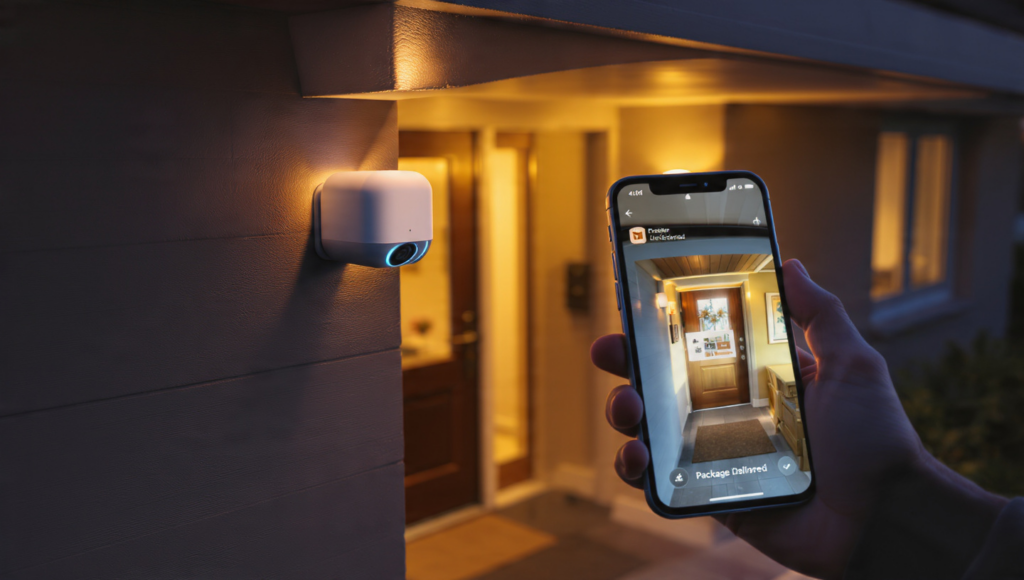
These systems can now monitor for “anomalies” in daily routines, such as a medicine cabinet not being opened or a pet showing unusual levels of lethargy. This data-driven care allows family members to stay connected and proactive without being intrusive or overbearing. It transforms the security system into a tool for empathy and long-distance caretaking.
By expanding the definition of “security” to include the well-being of loved ones, the technology becomes a central pillar of family harmony. It reduces the mental load of caring for others from a distance, allowing you to go about your day knowing that if a loved one needs help, you will be the first to be notified. It turns the home into a truly supportive and protective environment.
The Freedom of Remote Access and Control
Finally, the ability to remotely manage your home’s entry points provides a level of freedom that defines the modern smart home experience. In 2026, the days of “hiding a key” under a flowerpot are over, replaced by secure, digital access codes and remote-unlocking capabilities that keep your home strictly protected.
Whether you need to let in a dog walker, a cleaner, or a guest who arrived early, you can verify their identity via your camera and unlock the door from your office. This control removes the logistical stress of coordinating physical keys and ensures that your home is only open to those you trust, exactly when you want them to be there.
This “digital gatekeeper” role is essential for peace of mind in a busy, modern lifestyle. It ensures that you never have to worry about a lost key or an uninvited visitor. By putting the power of your home’s perimeter directly in your pocket, smart security gives you the freedom to move through the world with total confidence that your sanctuary remains exactly as you left it.