
In 2026, the concept of home security has evolved from simple recording to active, intelligent awareness. Smart cameras are no longer just passive observers; they have become the “eyes” of the modern home, capable of interpreting complex scenes in real-time. This shift allows homeowners to stay connected to their living spaces with a level of detail and accuracy that was previously impossible.
The primary driver of this improved awareness is the integration of advanced artificial intelligence directly onto the camera hardware. By processing data locally, these devices can instantly distinguish between significant events and everyday background noise. This results in a home that communicates meaningful insights rather than just sending a constant stream of irrelevant motion alerts.
✨ AI Insight: In 2026, smart cameras use “Edge-AI” to categorize objects like pets, vehicles, and faces locally, ensuring your private data remains secure while providing instant, context-aware notifications.
Differentiating Between Meaningful Events and Noise
One of the most appreciated advancements in 2026 is the ability of smart cameras to filter out non-essential movement. Older systems often flooded users with notifications triggered by wind, shadows, or passing cars, leading to “alert fatigue.” Modern AI-powered cameras have solved this by accurately identifying the subject of the motion before sending an alert.
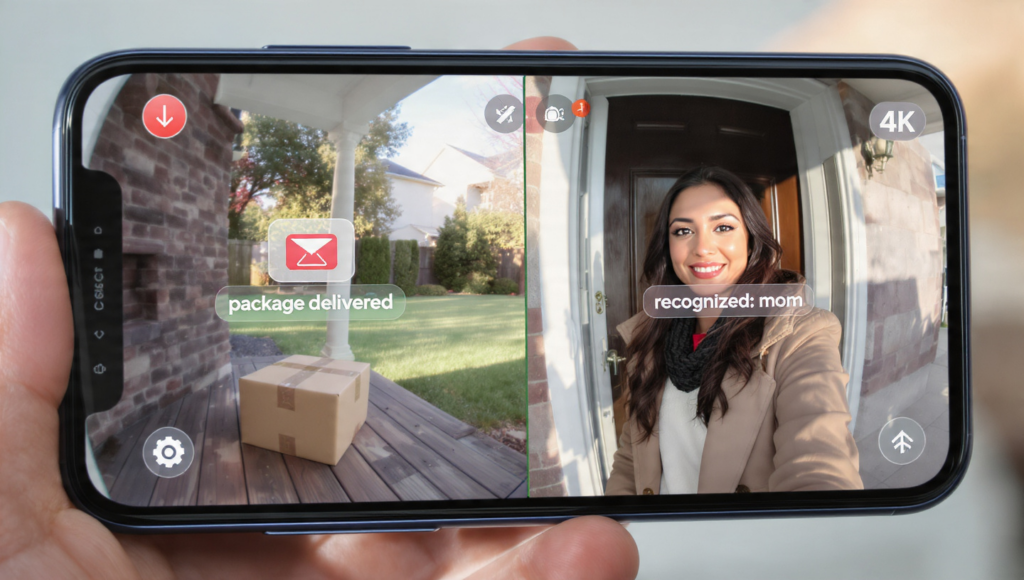
When a camera detects a person on your porch at midnight, it recognizes the urgency and sends a priority notification. Conversely, if it sees a stray cat or a tree branch moving in the wind, it can be programmed to ignore the event or log it silently. This precision ensures that when your phone buzzes, it is actually worth your immediate attention.
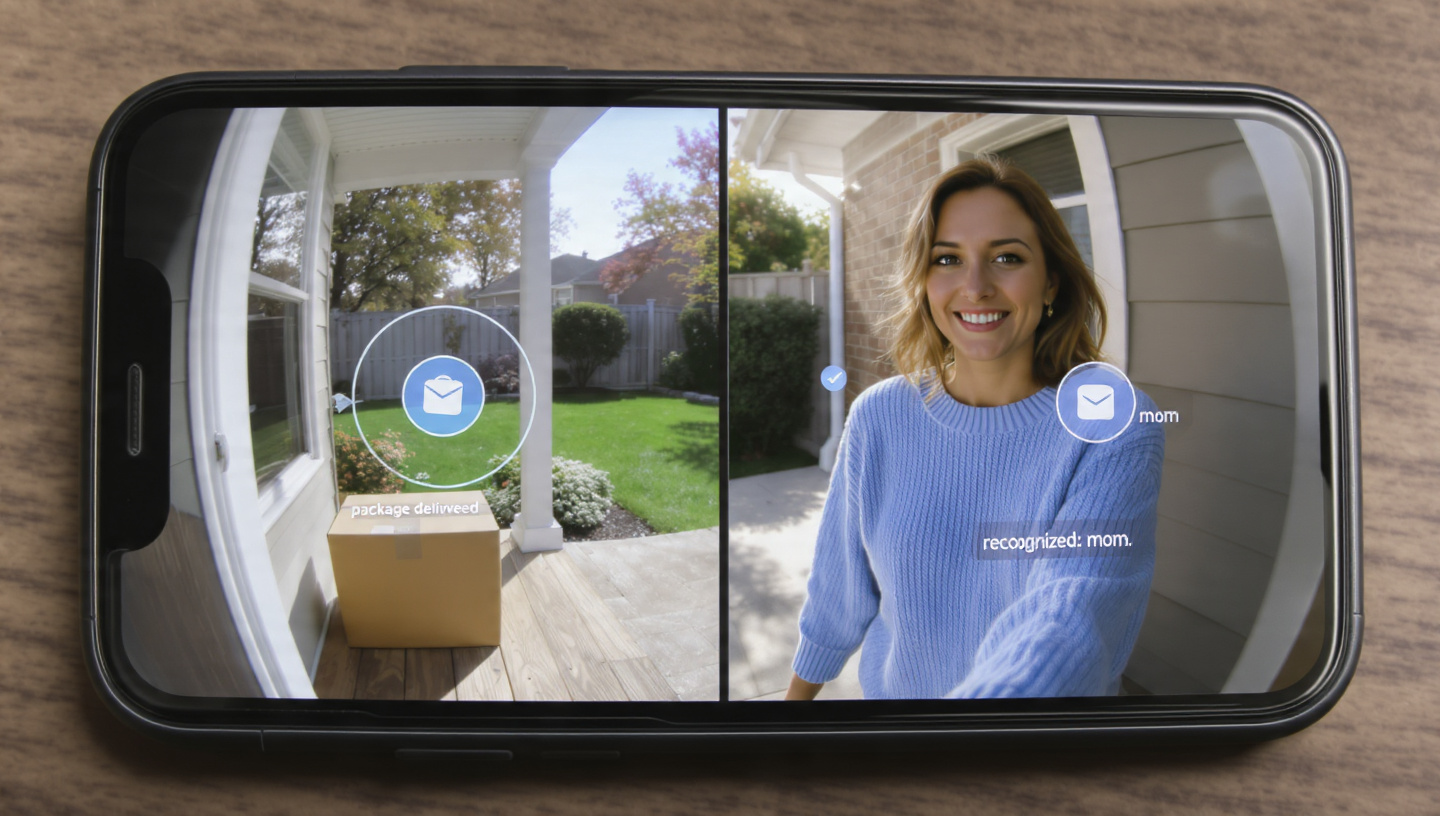
This contextual awareness also allows for “Familiar Face” recognition, where the system can distinguish between a family member and a stranger. Receiving a notification that “the kids are home from school” provides a much different sense of awareness than a generic “motion detected” alert. It turns the camera into a tool for daily coordination and emotional peace of mind.
Enhancing Pet Care and Interactive Monitoring
For pet owners in 2026, smart cameras have become essential tools for long-distance care and behavioral monitoring. Dedicated pet features allow users to check in on their furry companions and even interact with them through high-quality two-way audio. This helps reduce separation anxiety for both the owner and the pet during long workdays.
Advanced AI can now detect specific pet behaviors, such as a dog barking excessively or a cat jumping onto a restricted surface. Some systems are even integrated with smart treat dispensers or automated toys, allowing owners to reward or engage their pets remotely. This transforms the camera from a security device into an interactive platform for pet wellness.
Furthermore, cameras can now recognize the sound of smoke or carbon monoxide alarms and alert the owner specifically if a pet is trapped inside. This layer of “audio awareness” ensures that even if a crisis happens out of the camera’s line of sight, the owner is notified immediately. It provides a comprehensive safety net that protects every member of the household.
Managing Package Deliveries and Porch Security
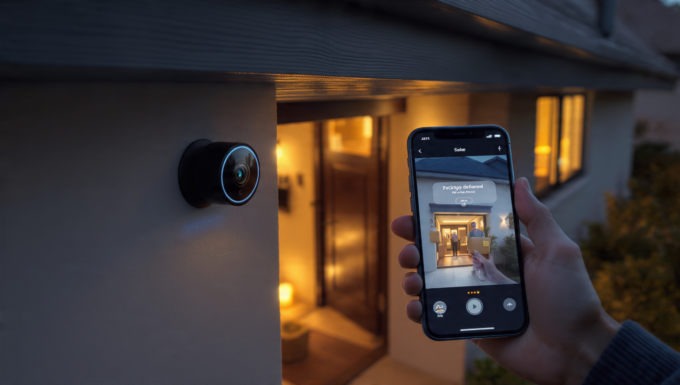
As e-commerce continues to dominate in 2026, package theft remains a major concern for homeowners. Smart cameras have addressed this by introducing specialized “Package Detection” features. These systems can identify when a box is dropped off and send a specific “delivery successful” alert to the user’s smartphone.
The camera then enters a “guardian mode,” where it monitors the package and sends a high-priority alert if anyone other than a recognized resident approaches it. This active monitoring allows homeowners to take immediate action, such as using the two-way speaker to tell a courier where to hide a box or to warn off a potential “porch pirate.”
Some systems even offer “Video Summaries” at the end of the day, highlighting all successful deliveries and any suspicious loitering. This organized overview allows users to verify their shipments without having to scrub through hours of footage. It simplifies the logistics of modern living by providing a clear, automated record of every interaction at the front door.
Professional-Grade Resolution and Night Vision
In 2026, high-definition 4K resolution has become the standard for home cameras, providing a level of detail that was once reserved for enterprise systems. This clarity is essential for identifying license plates, facial features, or small details that can be used as evidence in a police investigation.
Night vision technology has also seen a massive leap forward, with many cameras now offering “Full-Color Night Vision” even in near-total darkness. By using highly sensitive sensors and small, integrated spotlights, these cameras can capture vivid details that traditional infrared “black and white” feeds would miss.
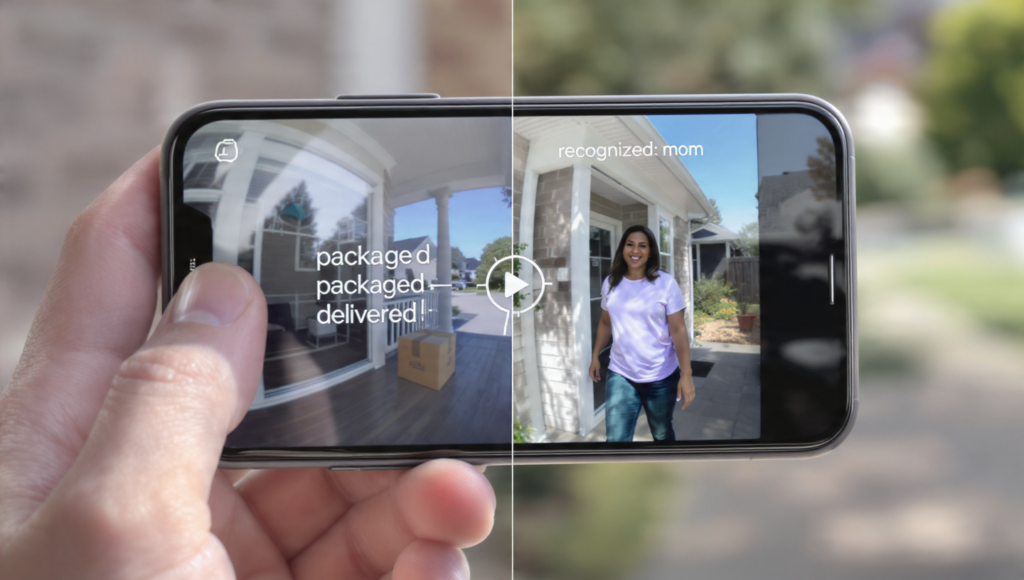
This improved visibility ensures that home awareness does not stop when the sun goes down. Whether it is identifying the color of a suspicious vehicle or seeing exactly what a pet is doing in a dark living room, the visual quality remains consistent 24/7. It provides a level of visual certainty that makes the homeowner feel truly in command of their environment at all times.
Integrated Ecosystems and Collaborative Awareness
The true power of smart cameras in 2026 lies in their ability to communicate with other devices in the home. When a camera detects an arriving car, it can trigger the smart garage door to open and the hallway lights to turn on. This “collaborative awareness” makes the home feel like a unified, intelligent entity.
Security cameras also work with smart locks to provide “Visual Access Control.” When a guest rings the video doorbell, the homeowner can verify their identity through the camera feed and unlock the door remotely. This seamless integration removes the need for physical keys and makes visitor management effortless and secure.
For those with large properties, multiple cameras can work together to “track” a subject across different zones. If a person moves from the driveway to the backyard, the system provides a continuous narrative of their movement across all feeds. This holistic view ensures that there are no “blind spots” in the homeowner’s awareness of their own property.
Privacy-First Design and Local Data Storage
As cameras become more prevalent, the focus on data privacy has reached an all-time high in 2026. Many users now prefer “Edge-Processing” and local storage options, such as high-capacity microSD cards or private home servers. This ensures that their video feeds and facial recognition data never leave their personal network.
Modern cameras often include physical privacy shutters that can be closed via an app or a voice command when the residents are at home. This provides a visual confirmation that the “eye” of the camera is off, allowing for total peace of mind in private living spaces.
By giving users complete control over how their data is stored and shared, manufacturers have built a higher level of trust. Home awareness no longer has to come at the expense of personal privacy. Instead, the technology acts as a secure, local guardian that respects the boundaries of the home while providing the vigilance needed to protect it.
Future-Proofing Home Safety with AI Agents
Looking ahead toward the end of the decade, smart cameras are beginning to function as “AI Agents” that can perform complex situational analysis. Instead of just seeing a person fall, the camera can assess if the person is unable to get up and automatically contact emergency services or a designated family member.
This “intelligent intervention” is particularly valuable for aging-in-place seniors who want to maintain their independence while having a safety net in place. The camera becomes a proactive caregiver that monitors for anomalies in daily routines, such as a medicine cabinet not being opened or a resident staying in one room for an unusually long time.
By shifting from “monitoring” to “understanding,” smart cameras are redefining what it means to be aware of one’s home. They provide a level of care and protection that is both non-intrusive and deeply reliable. In 2026, home awareness is about more than just security; it is about using technology to foster a safer, more connected, and more supportive living environment.