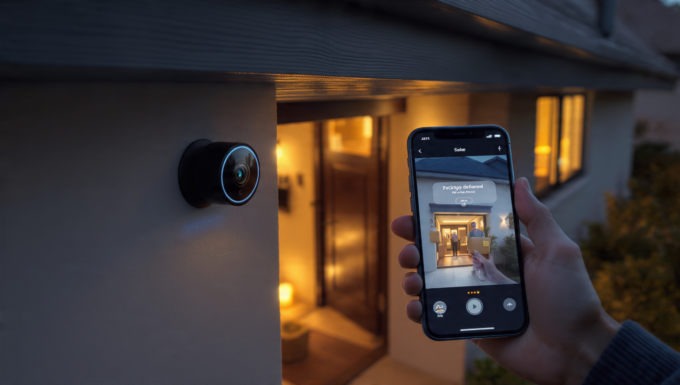

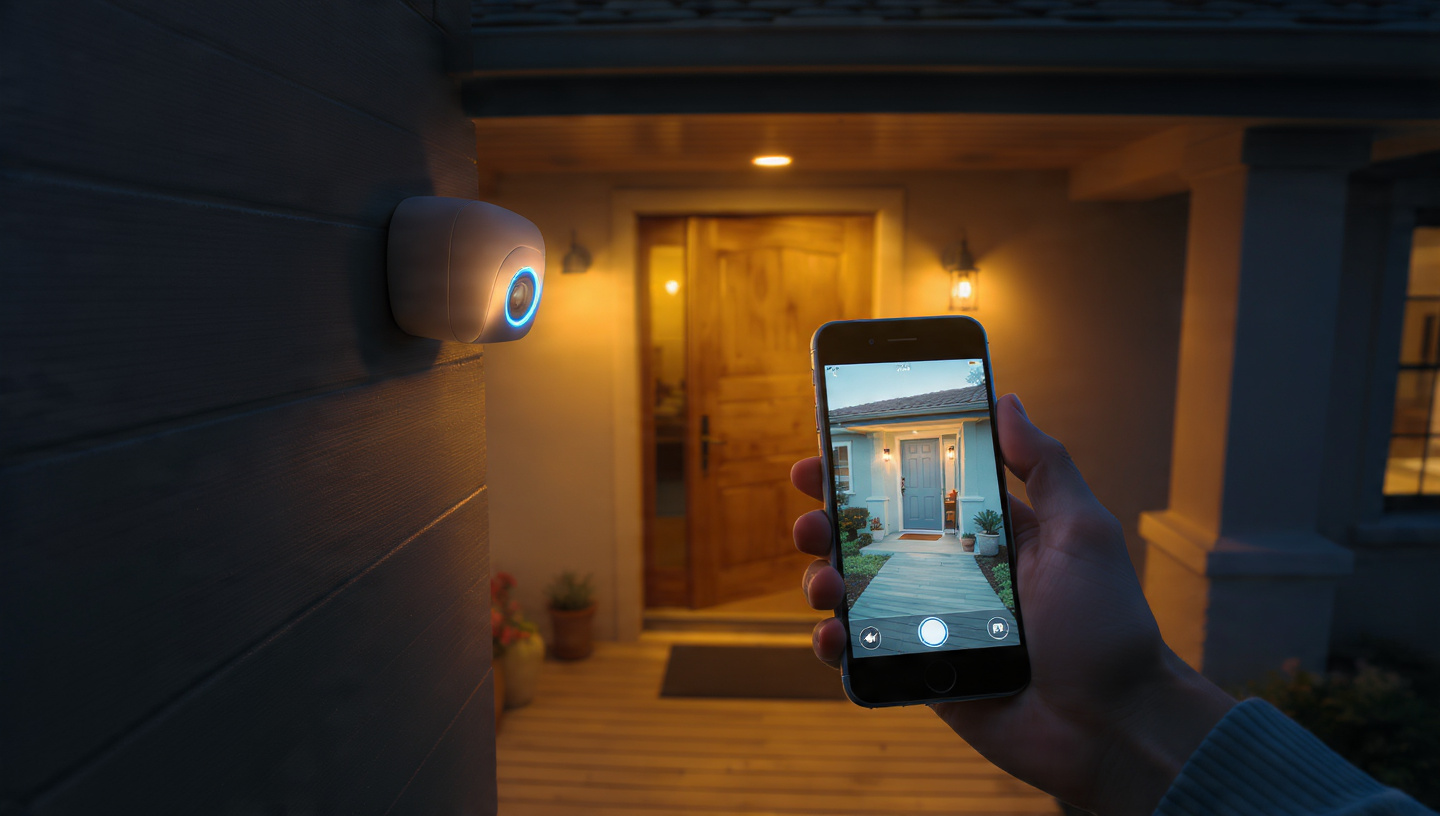
The primary value of a modern security system in 2026 is no longer just the hardware itself, but the psychological “safety net” it creates for the homeowner. By moving from reactive alarms to proactive AI-driven monitoring, smart security addresses a fundamental human need: the desire for control over one’s personal sanctuary. This shift has turned security from a technical utility into a vital tool for mental well-being and stress reduction.
Modern systems function as an “invisible guardian” that manages the home’s perimeter while you focus on your life. This continuous oversight replaces the nagging worry of “what if” with the concrete certainty of “I know.” The reassurance comes from the realization that even when you are not physically present, your home is actively looking out for itself and your loved ones.
✨ AI Insight: Smart security in 2026 utilizes “Edge-AI” to analyze household patterns locally, reducing false alarms by 95% while ensuring private data never leaves your home network.
The Psychological Power of Real-Time Awareness
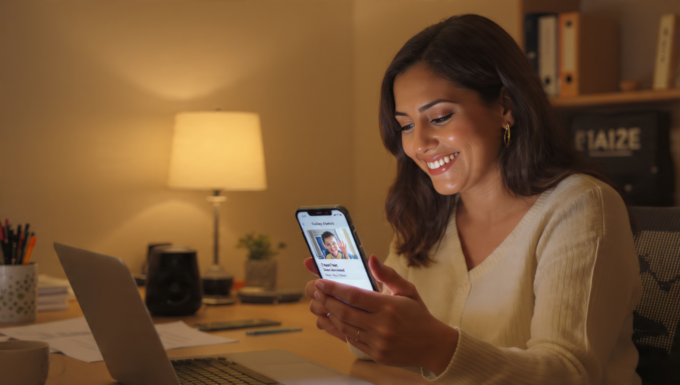
The most significant driver of reassurance is the elimination of the “fear of the unknown” through instant smartphone notifications. In 2026, homeowners appreciate that they no longer have to wonder about the status of their property because the information is always a tap away.
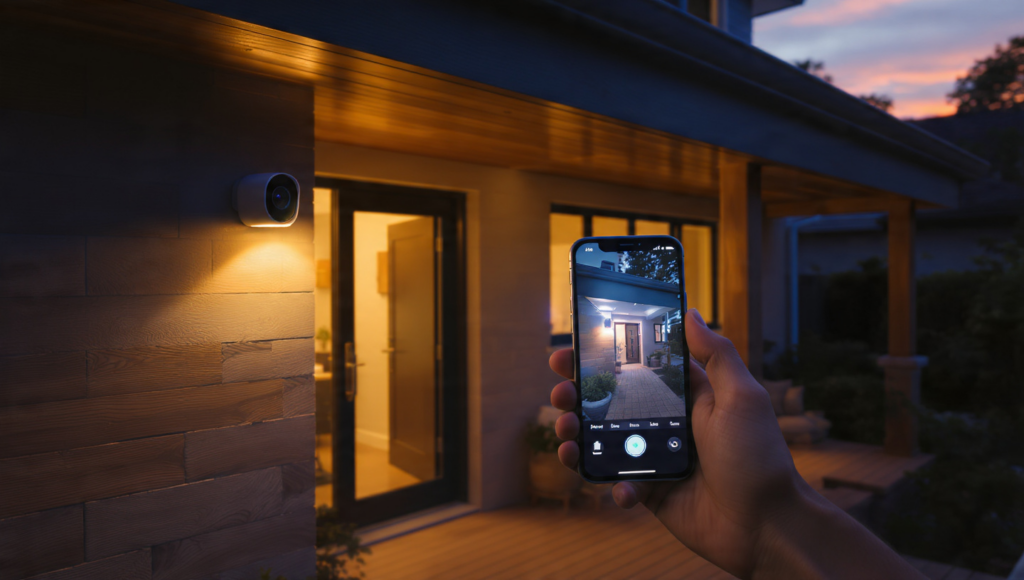
Whether it is a notification that a package has been delivered safely or an alert that a child has returned home from school, real-time awareness provides an unparalleled sense of connection. It transforms the home from a silent, vulnerable box into a communicative partner that keeps you updated.
This immediate feedback loop acts as a powerful stress-reducer, especially for those who travel frequently or work long hours. Knowing that you will be the first to know if something unusual happens allows for a deeper level of relaxation and a significant decrease in daily home-related anxiety.
Deterrence and the Feeling of “Fortified” Control
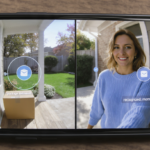
A visible smart camera or a glowing video doorbell serves as a formidable psychological deterrent for both the homeowner and potential intruders. In 2026, people feel a profound sense of empowerment when they can see their entire property’s perimeter through high-definition 4K feeds.
This visual confirmation of safety “fortifies” the home in the mind of the resident, shifting their mental state from one of vulnerability to one of command. The mere presence of professional-grade surveillance sends a clear message that the home is a hard target, not a soft one.
When you can “patrol” your own boundaries from your phone, the psychological boundaries of your home feel more secure and respected. This sense of control is essential for emotional stability, allowing the home to remain a place of refuge rather than a source of recurring concern.
AI-Powered Filtering and the End of Alert Fatigue
In the past, security systems often caused more stress than they solved due to constant false alarms from pets, wind, or passing cars. In 2026, advanced AI filtering has solved this problem by distinguishing between meaningful threats and harmless environmental activity.
Homeowners deeply appreciate that their phone only buzzes when something truly requires their attention, such as an unrecognized face or a lingering vehicle. This precision prevents “alert fatigue” and ensures that every notification is treated with the seriousness it deserves.
By removing the noise of false positives, the technology becomes truly “effortless” and trustworthy. You can rest easy knowing the system is smart enough to handle the mundane and only involve you when a strategic decision or an emergency response is actually necessary.
The Role of Smart Integration in “Preventive” Security
Effortless reassurance also comes from the way security cameras now interact with other smart devices to create a “prevention” ecosystem. In 2026, a camera detecting motion after midnight can automatically trigger a sequence of smart lights to simulate a person walking through the house.
This automated response turns a passive observer into an active participant in your home’s defense strategy. Instead of just recording a break-in, the system works to prevent it from ever escalating, providing a level of protection that feels “futuristic” and deeply reliable.
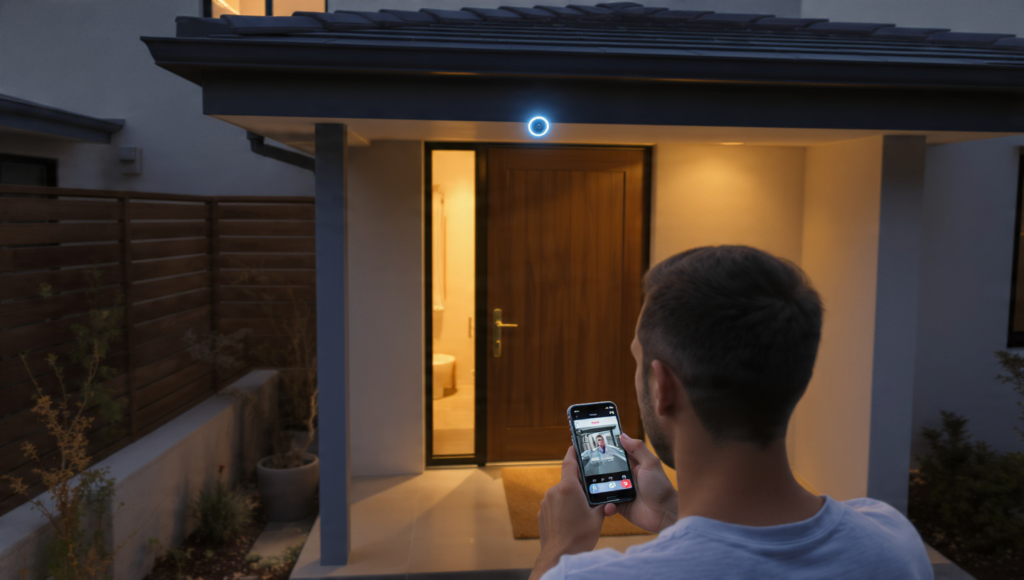
When your locks, lights, and cameras work together, the home becomes a self-defending entity that doesn’t rely solely on your intervention. This collective intelligence provides a lasting feeling of safety that persists even during sleep or while you are thousands of miles away.
Enhancing Wellness Through Behavioral Insights
An often-overlooked feature people appreciate in 2026 is the use of security cameras for “wellness monitoring” of elderly relatives or pets. The ability to check in and see that a loved one is moving safely around their home provides a unique form of emotional reassurance.
These systems can even provide “activity summaries” that highlight changes in routine, such as a pet not eating or an elderly parent not opening the medicine cabinet. This data-driven care allows family members to stay connected and proactive without being intrusive.
By expanding the definition of security to include “well-being,” the technology becomes a source of empathy and care. It simplifies the act of looking after those we love, reducing the mental load of long-distance caretaking and fostering a more harmonious and supportive family life.