
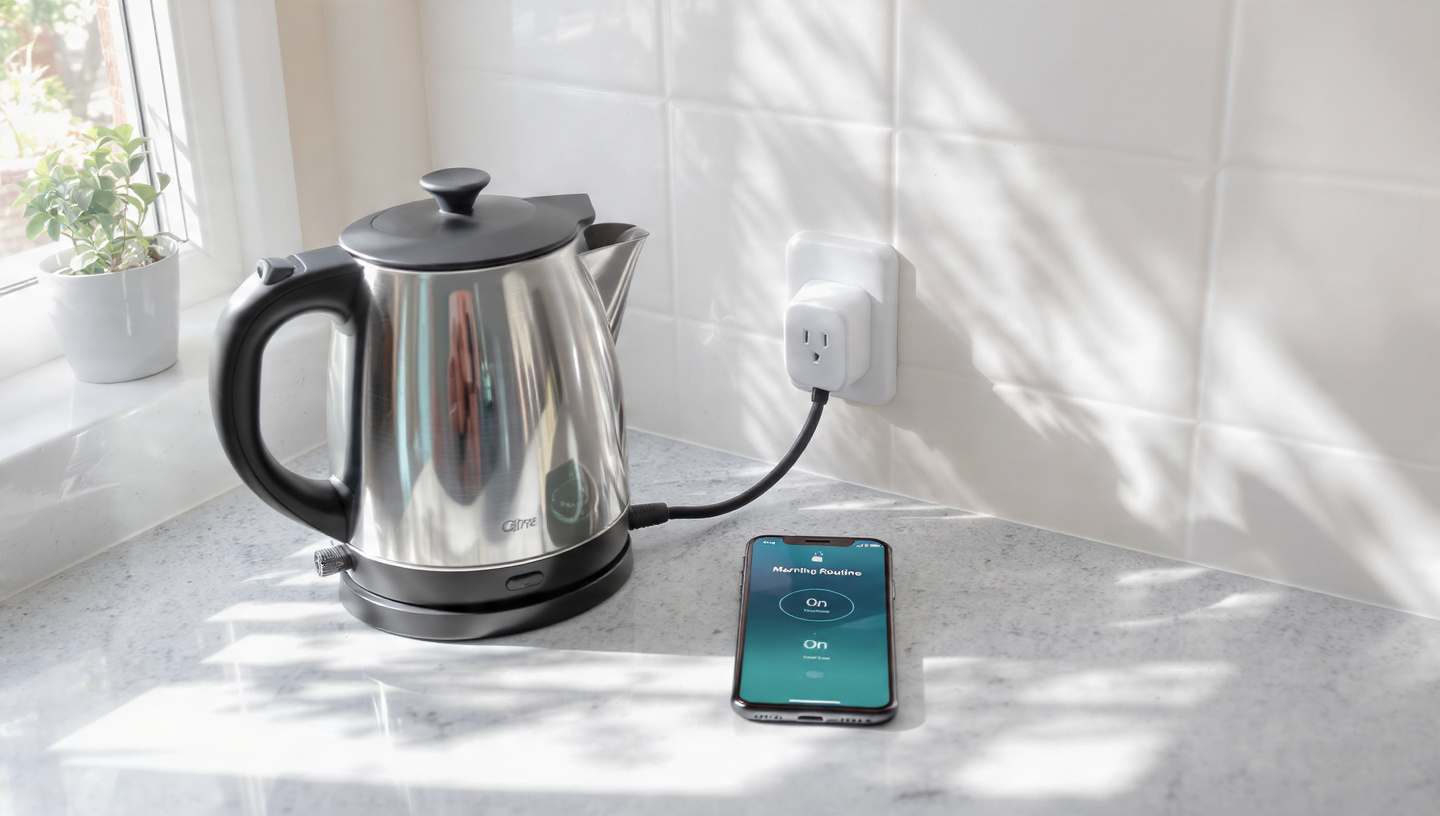
The transition into a smart home can often feel like an intimidating technical hurdle that requires complex hubs and expensive rewiring. In 2026, the smart plug has emerged as the definitive entry point for beginners because it provides an immediate “intelligence” upgrade to any standard wall outlet.
These devices are highly favored because they allow users to keep the appliances they already own and love while adding digital convenience. By simply placing a small adapter between the wall and a device, any “dumb” appliance—from a vintage lamp to a basic fan—becomes part of a connected ecosystem.
✨ AI Insight: In 2026, smart plugs act as the foundational “sensor nodes” of the home, allowing AI assistants to learn your specific routines by tracking the power cycles of your daily appliances.
Low Financial Risk and High Versatility
One of the primary reasons people choose smart plugs as their first device is the exceptionally low entry cost compared to other smart categories. In 2026, high-quality, Matter-compatible plugs are often available for less than the cost of a single meal out.
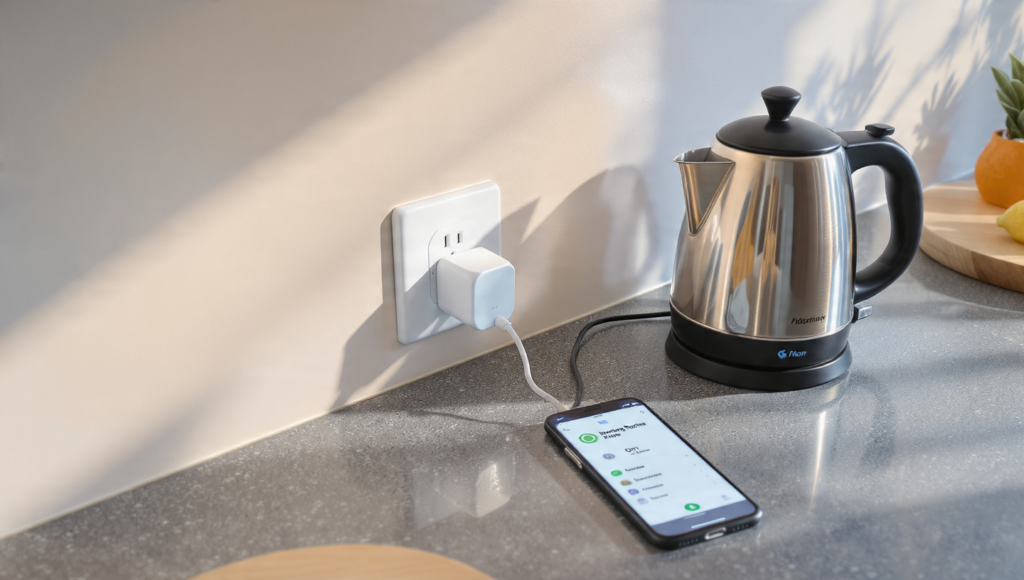
This affordability allows users to experiment with home automation without committing to a massive budget or a specific ecosystem. If a user decides they don’t like a particular setup, they can simply move the plug to a different room or a different device.
The versatility of these devices is unmatched because they can control virtually anything with a physical “on-off” switch. Whether it is a coffee maker, a Christmas tree, or a space heater, the smart plug provides a universal solution for modernizing the home.
The Simplicity of a Five-Minute Setup
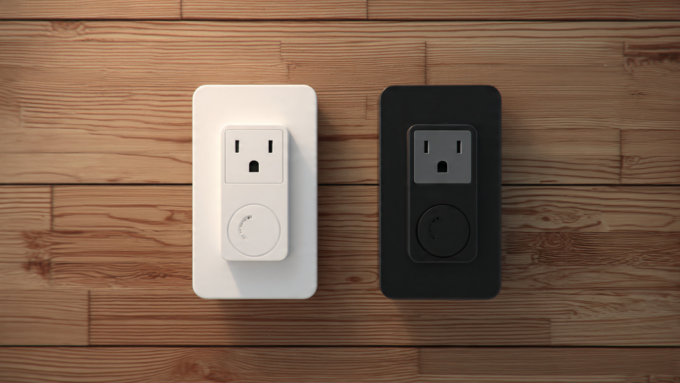
Unlike smart thermostats or built-in switches that often require a professional electrician, smart plugs are designed for a literal “plug-and-play” experience. The physical installation involves nothing more than inserting the device into a standard wall socket.
Once plugged in, the software pairing is usually handled through a single tap on a smartphone using Bluetooth or QR code scanning. This ease of use removes the technical friction that often prevents non-technical users from exploring smart home technology.
In 2026, the adoption of universal standards has made this process even smoother, as a single app can now control devices from multiple brands. This removes the need to download dozens of different applications, keeping the digital experience clean and organized.
Instant Peace of Mind and Remote Control
For many beginners, the first “killer feature” of a smart home is the ability to check if they left a dangerous appliance on after leaving the house. Smart plugs provide instant relief from the anxiety of a forgotten curling iron, flat iron, or space heater.
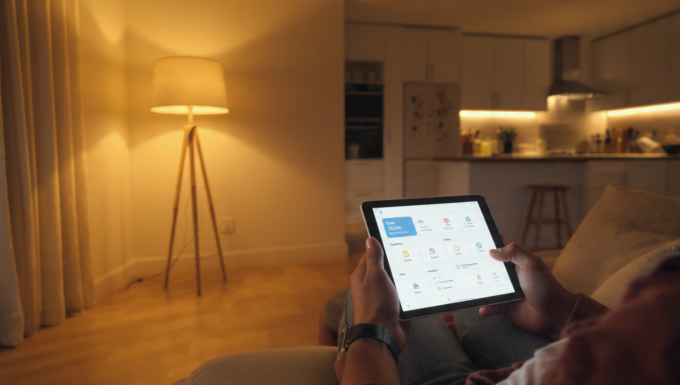
A quick glance at a smartphone app allows the user to see the real-time status of the plug and turn it off from anywhere in the world. This remote access is a practical safety feature that provides immediate value far beyond simple novelty.
This control also simplifies life for those with limited mobility or outlets hidden in hard-to-reach places behind heavy furniture. Being able to toggle a lamp or a fan with a simple voice command or a tap on a screen makes the home more accessible.
Gaining Insight Through Energy Monitoring
In 2026, energy awareness is a significant driver for smart home adoption, and smart plugs serve as the most effective “energy detectives.” Many models now include real-time monitoring that shows exactly how many kilowatt-hours an appliance is consuming.
This visibility helps users identify “energy vampires”—devices that draw significant power even when they are supposedly turned off or in standby mode. By seeing the actual cost in an app, homeowners are empowered to change their habits.
Once a power-hungry device is identified, the user can set a strict schedule to cut power completely during the night or while they are at work. This direct link between a small $15 device and a lower utility bill makes the value of a smart home easy to understand.
Building the Foundation for Complex Routines
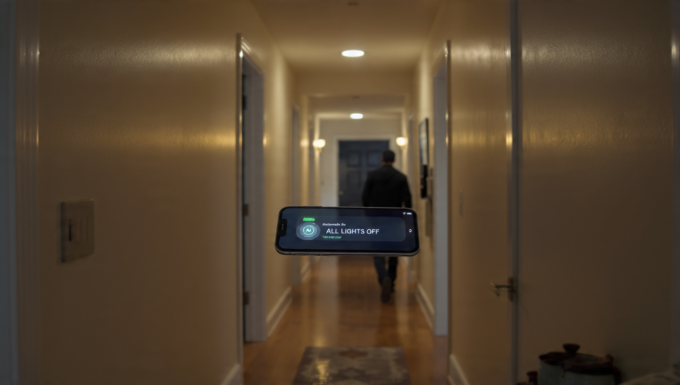
Starting with a smart plug allows users to begin understanding the logic of “scenes” and “routines” without any complicated programming. A common first routine involves a single command like “Goodnight” that turns off all smart plugs and lights at once.
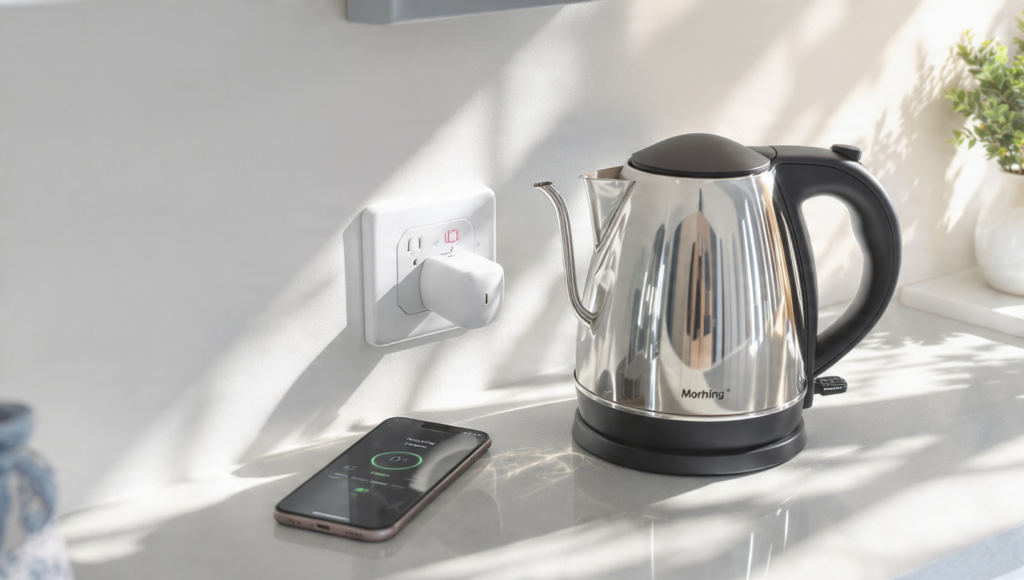
As the user becomes more comfortable, they often find that the smart plug serves as a bridge to other devices. For example, a motion sensor in the bathroom can trigger a smart plug connected to a small heater during the cold winter months.
This modular approach to building a smart home ensures that the technology grows with the user’s needs rather than overwhelming them. By starting small and seeing immediate results, people gain the confidence to explore more advanced features like smart locks or climate systems.