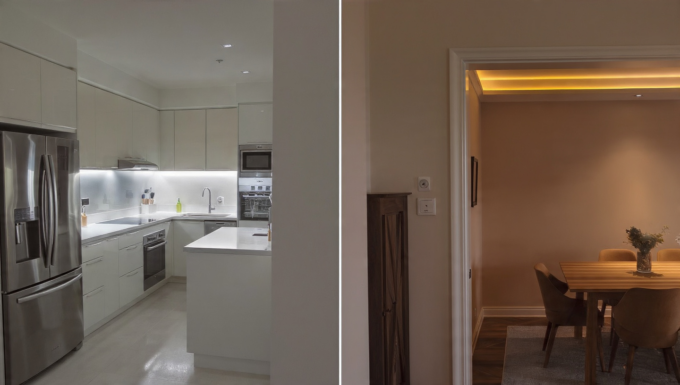

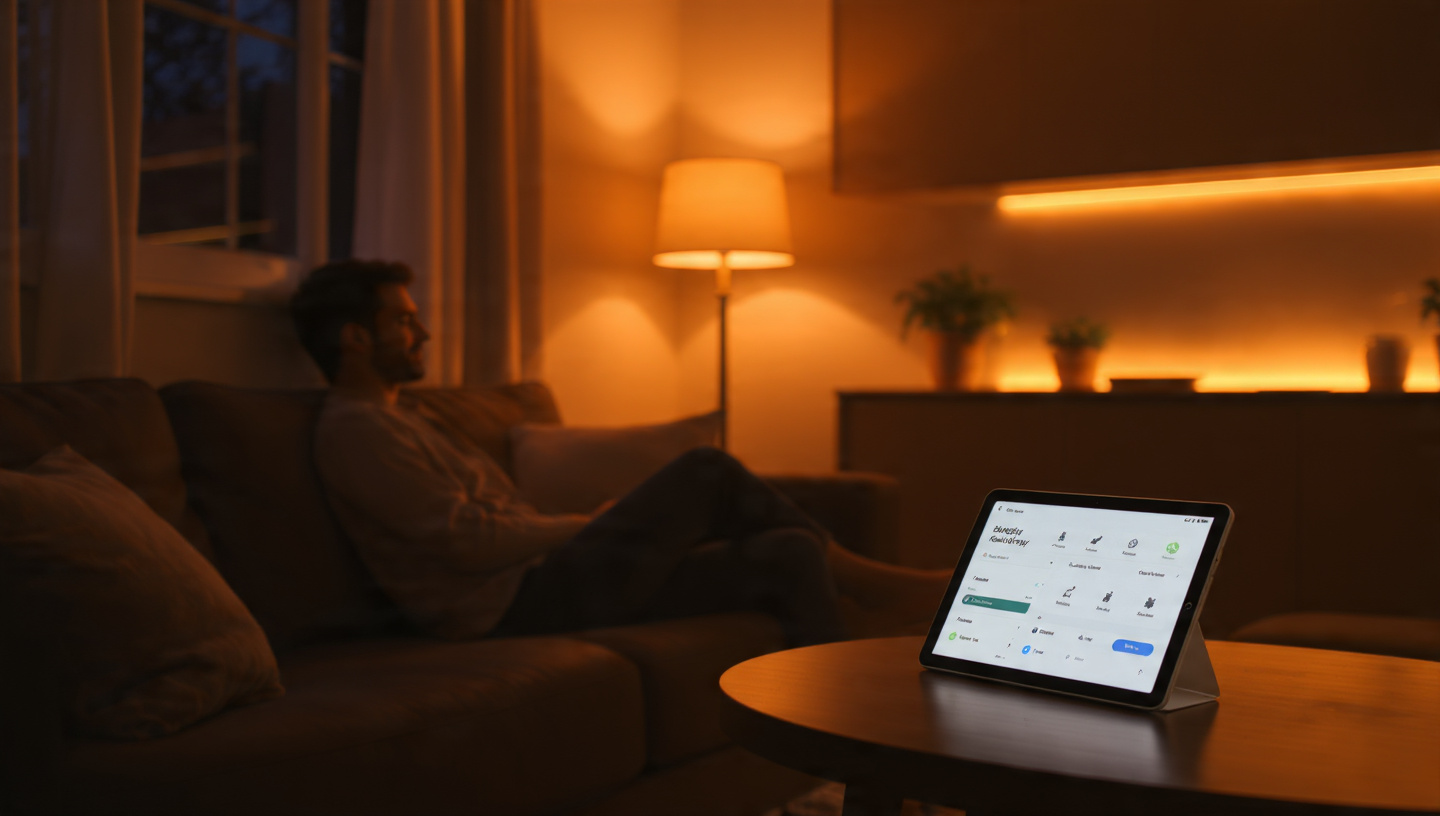
Smart lighting has moved beyond a mere luxury to become an essential component of the contemporary living space. In 2026, the adoption of these systems is driven by a desire for greater control over our environments and the integration of technology into every aspect of daily life. Homeowners are increasingly looking for ways to make their spaces more responsive to their needs and rhythms.
The primary appeal lies in the transition from static switches to dynamic ecosystems that adapt in real-time. Instead of manual adjustments, smart bulbs utilize sensors and geofencing to determine exactly when and where light is needed. This automation provides a level of convenience that traditional systems cannot match, allowing for a truly hands-free experience.
Furthermore, the rise of universal connectivity standards has simplified the installation process for everyone. Bulbs and fixtures from various manufacturers can now communicate flawlessly, removing the technical barriers that once discouraged casual users. This interoperability ensures that a smart home remains flexible and future-proof as technology continues to advance.
Enhancing Wellness Through Human-Centric Design
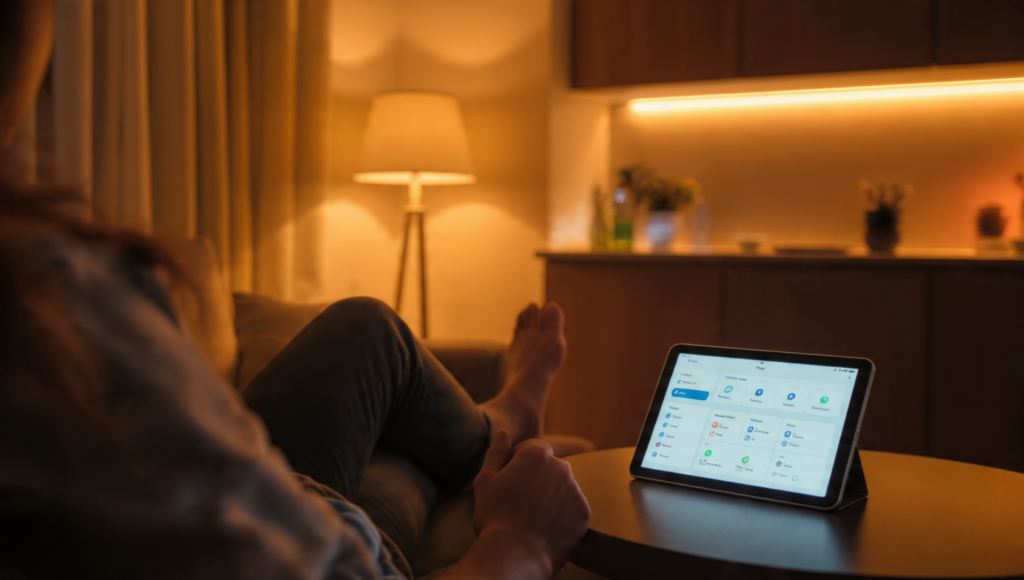
One of the most compelling reasons people are turning to smart lighting is its profound impact on physical and mental health. We now understand that artificial light temperatures directly influence our brain chemistry and hormone production throughout the day. Smart systems use this science to create a “Human-Centric” environment that mimics the natural movement of the sun.
During the morning hours, these systems emit a cool, blue-toned light that suppresses melatonin and boosts alertness for the workday. As evening approaches, the lights automatically shift toward a warm, amber glow that encourages relaxation and natural sleep cycles. This subtle transition helps mitigate the negative effects of screen time and modern indoor lifestyles.
By aligning our indoor environments with our biological clocks, smart lighting reduces stress and improves sleep quality significantly. Users often report feeling more energized during the day and more rested upon waking, which has become a major selling point for wellness-conscious consumers. This focus on biology makes the technology a health investment rather than just a gadget.
Maximizing Energy Efficiency and Cost Savings
In an era of rising utility costs and environmental awareness, the efficiency of smart lighting is a major factor in its popularity. While traditional LEDs are already efficient, smart bulbs take energy conservation to a new level by eliminating human error. They ensure that electricity is never wasted on illuminating empty rooms or outdoor spaces during daylight.
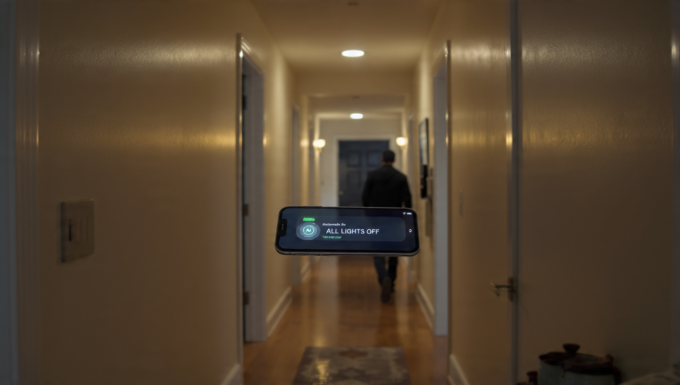
Advanced sensors can detect when a room is unoccupied and dim or extinguish the lights immediately. Additionally, daylight harvesting features allow bulbs to adjust their brightness based on the amount of natural light entering through windows. This synergy between natural and artificial light can reduce a home’s lighting energy consumption by nearly thirty percent.
The long-term financial benefits go beyond just the monthly bill, as smart LEDs boast incredible lifespans compared to old-fashioned bulbs. These units are designed to last for decades under normal use, reducing the frequency and cost of replacements. For many, the initial investment is quickly offset by the combined savings in power and maintenance over time.
Advancing Home Security with Intelligent Automation
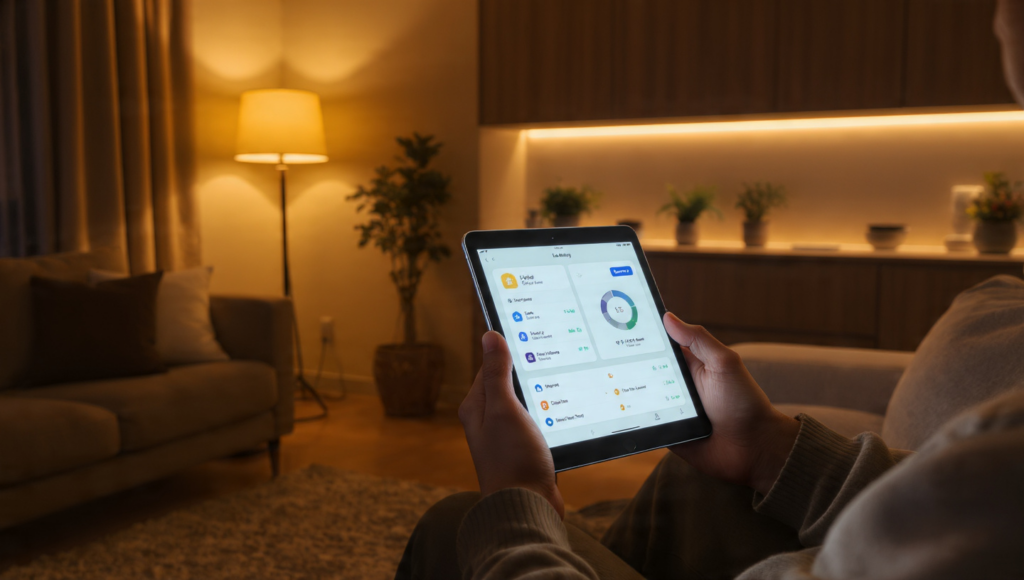
Smart lighting has become a cornerstone of modern home security strategies due to its ability to act as a proactive deterrent. Traditional timers were easy for intruders to spot because they followed a predictable pattern every day. Modern smart systems utilize “Away Modes” that simulate real human activity with much higher accuracy and randomness.
By varying the timing and location of lights throughout the evening, these systems create a convincing “lived-in” appearance even when the house is empty. Some systems can even mimic the flickering glow of a television screen visible through the curtains. This complexity makes it much more difficult for potential trespassers to determine if anyone is actually at home.
Integration with other smart devices, such as cameras and doorbells, adds an extra layer of active protection. If a motion sensor detects movement at the perimeter, the smart lighting can be programmed to flash or turn to full brightness instantly. This immediate visual response often startles intruders and alerts neighbors to a potential issue before a break-in occurs.
The Versatility of Smart Plugs in Every Room
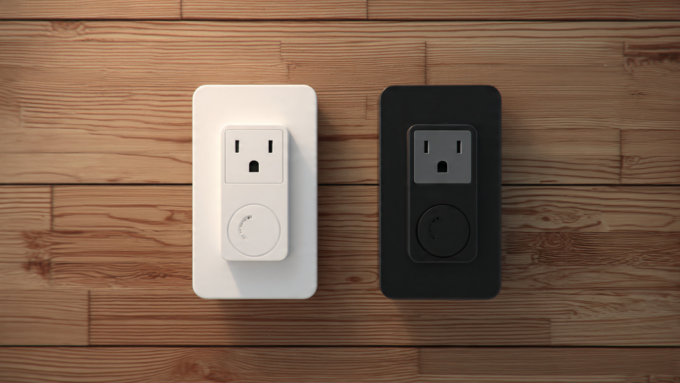
While smart bulbs handle the overhead light, smart plugs have become the secret weapon for managing every other electronic device in the home. These small adapters allow users to bring “dumb” appliances into the smart ecosystem with minimal effort. From coffee makers to floor lamps, any device with a standard plug can now be controlled remotely.
This versatility allows for the creation of complex scenes that coordinate multiple devices at once. For example, a “Movie Night” command can dim the smart lights while simultaneously turning on the smart plug connected to the popcorn machine and the sound system. This level of orchestration makes the home feel more unified and responsive to the user’s lifestyle.
Smart plugs also provide valuable insights into the energy usage of individual appliances through real-time monitoring apps. Users can identify “energy vampires” that draw power even when turned off and set schedules to completely cut power during the night. This granular control helps further reduce waste and lower the overall cost of running a household.
Creating Ambiance and Custom Scenes
The ability to instantly transform the mood of a room is a luxury that smart lighting has made accessible to everyone. With millions of color options and dimming capabilities, users are no longer stuck with a single “on or off” choice. Lighting can now be tailored to specific activities, such as reading, dining, or hosting a social gathering.
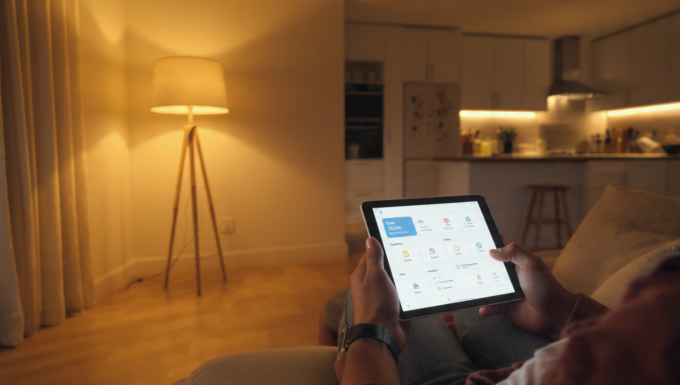
Presets allow for one-touch transitions, moving the living room from a bright, functional space to a cozy cinema environment in seconds. This flexibility is particularly useful in modern open-plan homes where a single space might serve multiple purposes throughout the day. Light becomes a tool for defining the boundaries and purpose of a room.
Beyond aesthetics, this customizability can be used for practical notifications as well. Many users program their lights to change color or pulse when a delivery arrives or when a specific contact calls their phone. This visual feedback is a subtle, non-intrusive way to stay connected to digital alerts while moving around the home.
Future-Proofing the Modern Living Space
Investing in smart lighting and plugs is increasingly seen as a way to future-proof a home’s value and functionality. As smart technology becomes a standard expectation for homebuyers, having a pre-integrated system can be a significant selling point. It reflects a modern, well-maintained property that is ready for the next generation of digital living.
The modular nature of these systems means that homeowners can start with a single room and expand as their budget allows. Because everything is connected via software rather than complex rewiring, the system can be updated with new features through simple app downloads. This ensures the technology remains relevant as new innovations emerge.
As we move deeper into the decade, the integration between smart lighting and broader smart city grids is likely to increase. Homes that are already equipped with these systems will be better prepared to participate in energy-sharing programs and advanced demand-response initiatives. This long-term perspective solidifies smart lighting as a wise and necessary upgrade for the modern era.