

The friction of staring at a blank screen or a static video timeline is becoming a relic of the past. For creators in 2026, the challenge is no longer the mechanical act of production, but the clarity of the initial idea. As artificial intelligence moves from a novelty to a utility, it has quietly integrated into the background of our digital workspaces, acting as a structural foundation that handles the “heavy lifting” of research, formatting, and asset generation.
This shift is defined by a move toward “full-stack” content creation. Instead of using separate tools for drafting, designing, and editing, modern platforms allow a single concept to be atomized into dozens of platform-specific assets instantly. The workday has changed from a series of manual labor stages into an iterative dialogue with technology, where the human provides the soul and the software provides the technical precision to execute it.
✨ AI Insight: By 2026, content tools have transitioned from reactive prompts to proactive “agentic” workflows that anticipate a brand’s voice and formatting needs. This shift allows creators to function as strategic editors, refining AI-generated foundations that already incorporate real-time SEO, social proof, and visual hierarchy.
From Drafts to Polished Narrative Architectures
Writing has moved beyond simple text generation into the creation of strategic content architectures. Modern writing environments, like the integrated “Canvases” in ChatGPT and Gemini, allow for real-time collaboration where the software suggests structural improvements as you type. These tools no longer just “write” for you; they organize your research into a hierarchy of headings, internal links, and semantic keyword clusters that respect the reader’s intent.

The time saved is staggering—long-form articles that previously took six hours to research and draft now take less than one. This isn’t about producing “AI slop,” but about using technology to clear the mental clutter. By delegating the mechanical tasks of outlining and formatting, writers can dedicate their energy to adding unique insights, personal anecdotes, and the emotional resonance that defines high-quality storytelling.
The Democratization of Visual and Audio Production
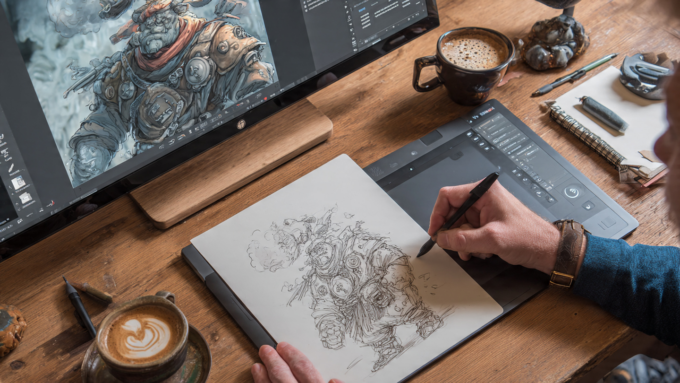
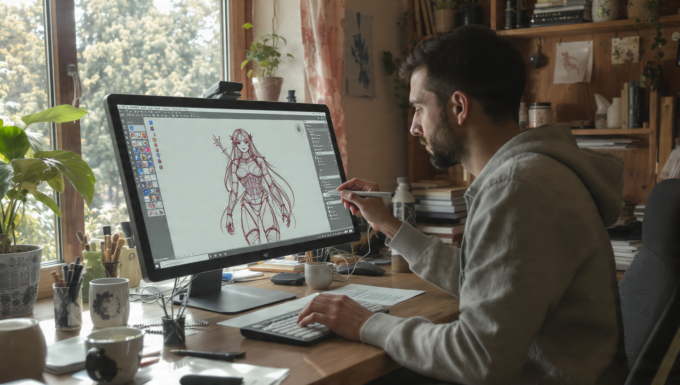
Visual content creation has seen a similar transformation through “Magic Studios” in design platforms. A non-designer can now turn a text prompt into a high-fidelity graphic, a short video, or a complete presentation in seconds. These tools handle the complex physics of lighting, composition, and brand consistency, ensuring that every asset—from a social media carousel to a YouTube thumbnail—looks professionally produced.
In the audio and video space, the “document-based editing” model has become the standard. Tools like Descript allow creators to edit video and audio simply by deleting words in a transcript. The AI handles the “eye contact” correction, background noise removal, and even clones the creator’s voice to fix a misspoken word. This removes the technical barrier to entry for podcasting and filmmaking, allowing anyone with a story to tell it with cinematic polish.
Scaling Personalization Without Extra Production
Perhaps the most significant impact of AI is its ability to make personalization scalable. In 2026, one core idea can be automatically adapted for different audience segments. A single interview or blog post can be “atomized” into a week’s worth of LinkedIn updates, TikTok scripts, and newsletter snippets, each tailored to the specific tone and linguistic patterns of that platform.
This automation respects the user’s time by delivering relevance rather than generic noise. Websites and newsletters now adapt their layout and recommendations based on individual browsing patterns, creating a content experience that feels like a conversation rather than a broadcast. For the creator, this means reaching a global audience doesn’t require a proportional increase in manual effort; it only requires a more intentional strategy.
Why It Matters
Reclaiming time from the mechanical parts of content creation allows for a return to genuine intentionality. When we are not bogged down by the logistics of production, we can afford to post less frequently but more purposefully. AI clears the repetitive clutter so we can finally hear our own ideas more clearly, moving us toward a digital landscape where relatability and authenticity—not just volume—are the ultimate differentiators.

The quiet evolution of content tools is ultimately making our work feel more human again. As technology matures into a reliable partner that handles the “how,” creators are free to reclaim the “why” of their work. The future of content is not about working faster; it is about working with more space to experiment, more room to be thoughtful, and a greater focus on the relationships we build through the stories we tell.