
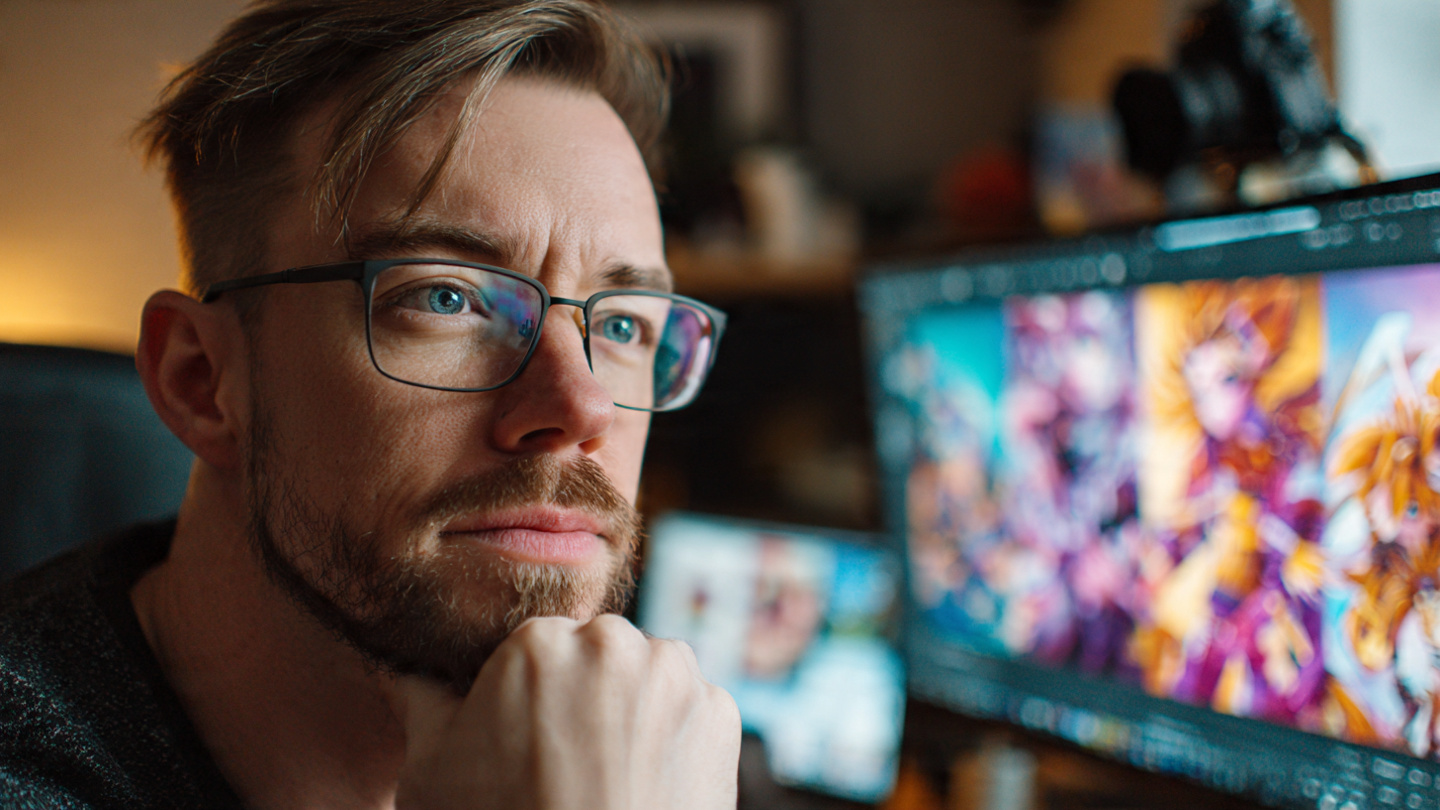
The initial wave of curiosity surrounding artificial intelligence has matured into a foundational shift in how digital content is produced and consumed. For independent artists and professional creative teams in 2026, the primary challenge is no longer just finding a unique voice, but sustaining it amidst a constant demand for high-quality, high-frequency output.
Creators are turning to AI tools not as a replacement for their specialized skills, but as a collaborative engine that handles the logistical weight of the creative process. By delegating the repetitive aspects of production—such as initial research, asset upscaling, and routine editing—to software, the workday is reclaimed for the high-level strategy and emotional storytelling that technology cannot replicate.
✨ AI Insight: In 2026, the creator economy has reached an inflection point where “agentic AI” allows for full-stack content creation, managing multi-step workflows from ideation to final publishing. This transition enables creators to move from being manual producers to creative directors who steer the narrative while the technology manages the execution.
Overcoming the Friction of the Blank Page
One of the most significant hurdles in any creative project is the transition from a vague idea to a structured draft. AI-driven brainstorming assistants have become essential for dissolving “blank page syndrome” by generating dozens of conceptual variations, outlines, and mood board prompts in seconds.
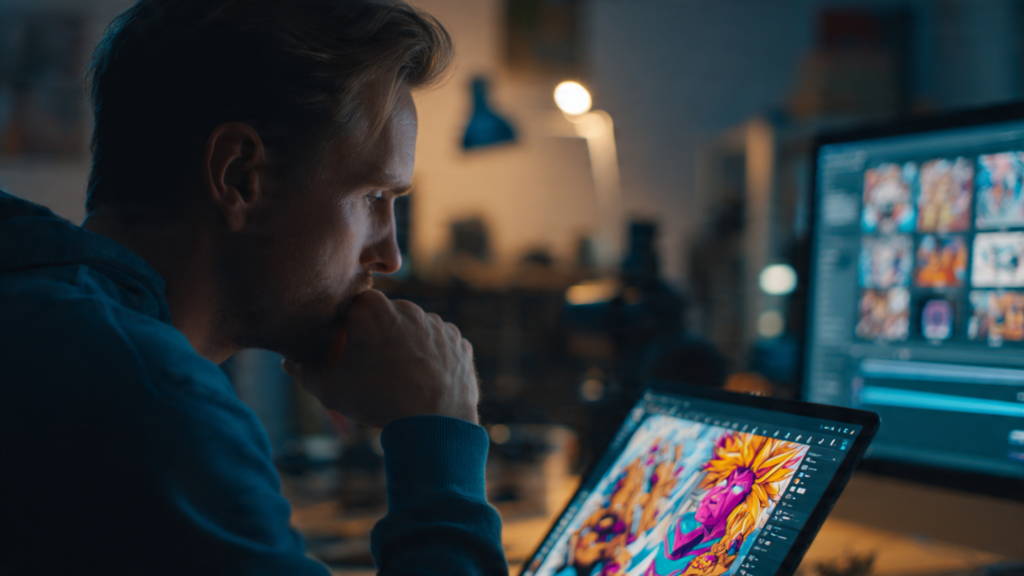
These tools do not dictate the final direction; instead, they serve as a springboard for human imagination, surfacing unexpected angles and cultural insights that might otherwise be overlooked. By starting with a wide range of AI-generated prototypes, creators can instantly begin the work of refinement and personalization.
This rapid ideation cycle ensures that the creative momentum is never lost to administrative stagnation. It turns the early stages of a project into a playful dialogue with the software, allowing the creator to explore multiple creative territories before committing their full energy to a single path.
Achieving High-End Production with Minimal Resources
For a long time, professional-grade video, audio, and visual assets were the exclusive domain of those with large budgets or specialized studio access. AI tools have effectively democratized these capabilities, providing independent creators with a “virtual studio” that runs on a standard laptop or mobile device.
Advanced upscaling, automated background removal, and AI-assisted audio cleanup allow for a level of polish that was previously impossible for a solo operator to achieve. This shift has allowed diverse voices to enter the market, producing work that rivals major agencies in its technical execution.
By removing the financial and technical barriers to entry, technology has shifted the focus of the industry toward the strength of the concept itself. The value of a creator is now found in their ability to curate and direct these powerful tools to build a narrative that resonates with their specific audience.
Adapting to the Era of Hyper-Personalization
Audience expectations have evolved significantly, with viewers now seeking content that matches their specific context, mood, and personal history. Creators are leveraging AI to manage this complexity, using intelligent systems to “remix” and personalize their work for different demographic segments at scale.
This hyper-personalization allows for a deeper connection between the brand and the audience, as every interaction feels tailored and relevant. The technology handles the data-heavy task of analyzing user patterns and adjusting tones or visuals, ensuring that the message lands with maximum impact.
This level of detail was once a logistical impossibility for smaller teams. Today, it is a standard competitive advantage, allowing creators to build direct, loyal relationships with their communities by delivering value that feels personally intended for the individual receiver.
Why It Matters
Exploring AI tools is fundamentally about the sustainability of the creative life. When creators use technology to manage the “busywork” and the logistical hurdles of their craft, they reduce the risk of burnout and preserve their mental energy for the tasks that truly provide meaning.
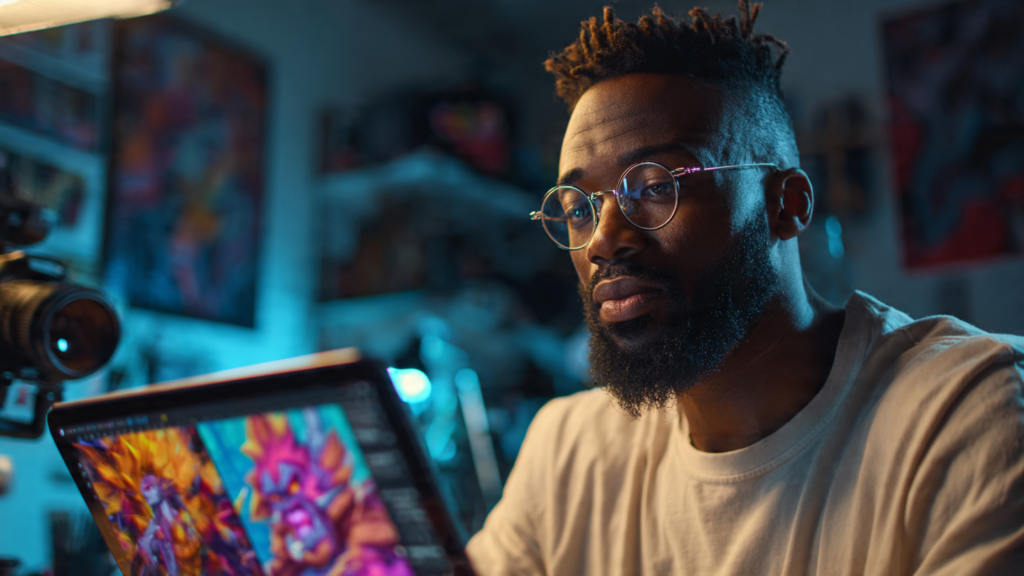
This partnership between human intuition and machine efficiency leads to a more resilient and innovative creative landscape. By embracing these tools, creators are not just working faster; they are working with more intention, ensuring that the digital world remains a place of genuine, human-centered storytelling.
Ultimately, the role of the creator in 2026 is becoming that of an architect of brand humanity. As the technical side of production becomes more automated, the human element—the quirks, the imperfections, and the emotional depth—becomes the ultimate differentiator. AI handles the “how,” while the creator defines the “why.”