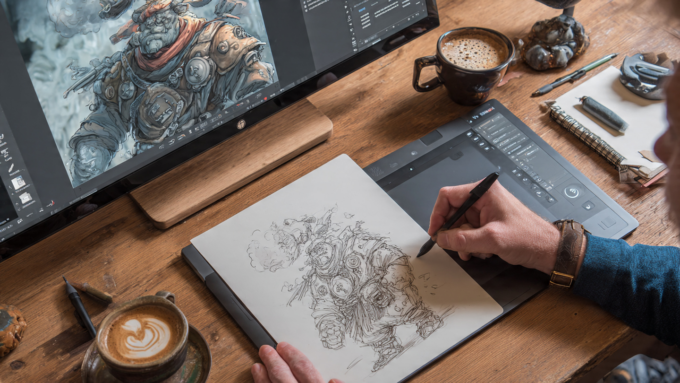

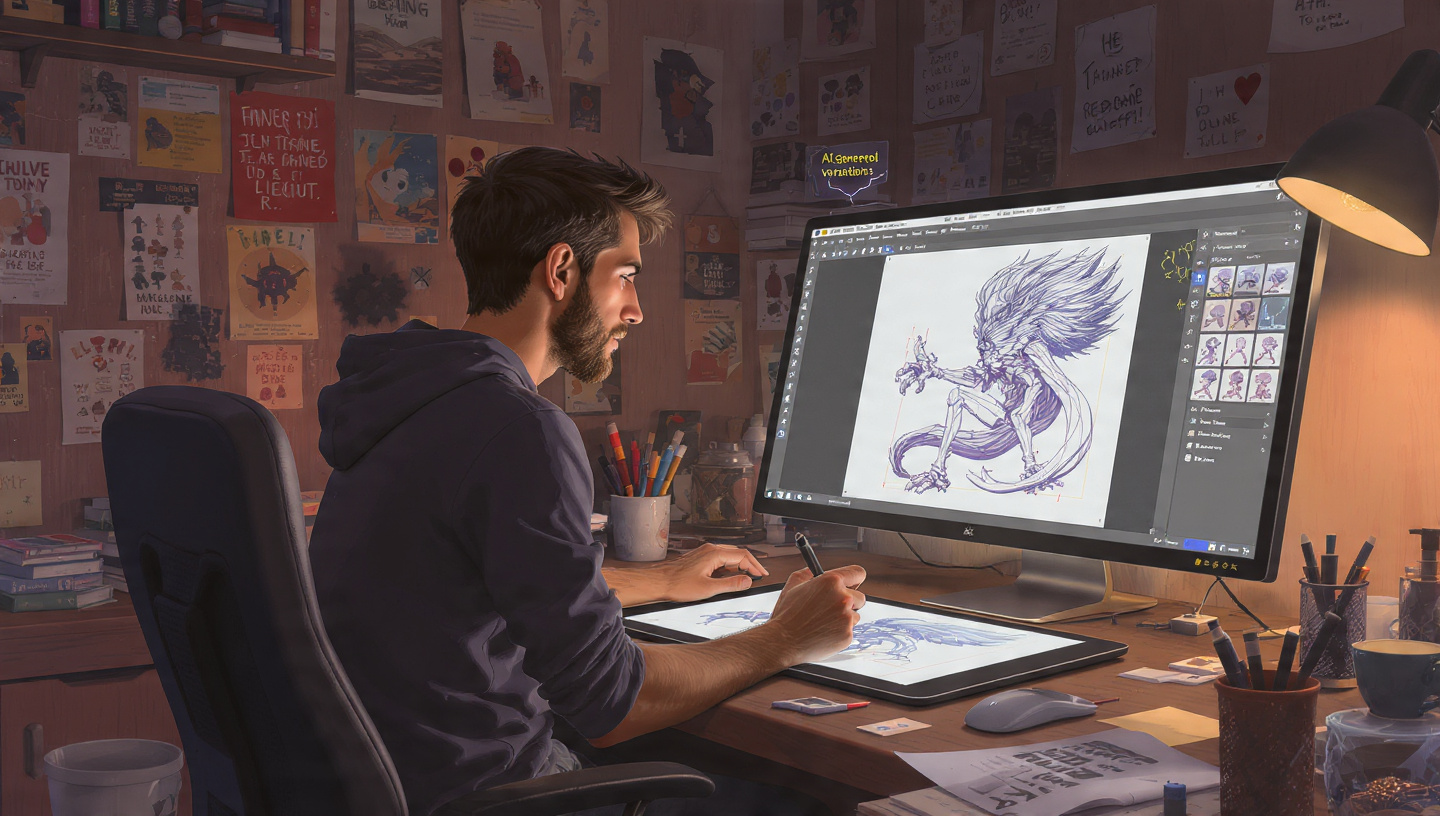
For a long time, the creative process was defined by a specific trade-off: to bring a complex vision to life, one needed either a massive budget or years of technical training. Whether it was the precise brushstrokes of a digital painting or the frame-by-frame adjustment of a video sequence, the “mechanical” side of art often occupied more time than the actual ideation.
By 2026, this barrier has effectively collapsed. Artificial intelligence has moved from a series of experimental tools to a foundational layer of the creative stack. This shift is not about replacing the artist, but about removing the technical friction that once sat between a mental concept and a finished piece of media.
✨ AI Insight: In 2026, creative work has moved into an era of “multimodal composition,” where a single idea can be instantly translated across text, image, and motion. This allows creators to function more like architects or directors, steering high-level concepts while the software handles the physics of light, sound, and rendering.
The Move from Execution to Curation
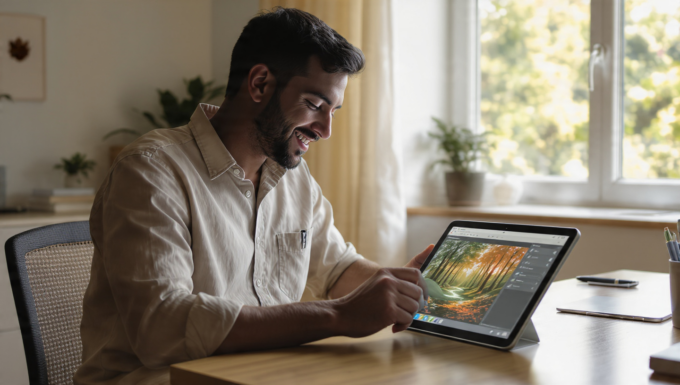
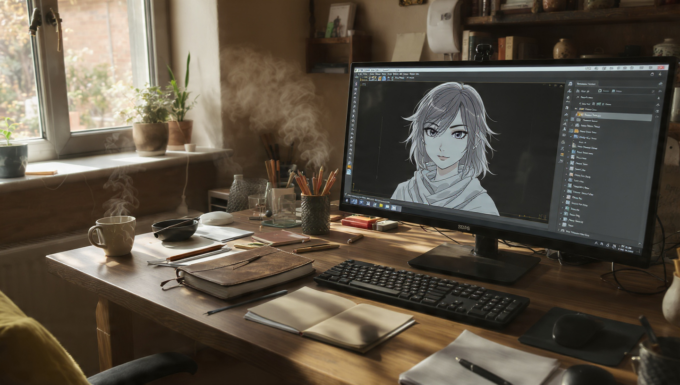
One of the most profound changes in the creative workday is the shift in focus from manual execution to high-level curation. In the past, a graphic designer might spend hours on background removal or color grading; today, these tasks are handled by ambient AI systems that “understand” the context of an image.
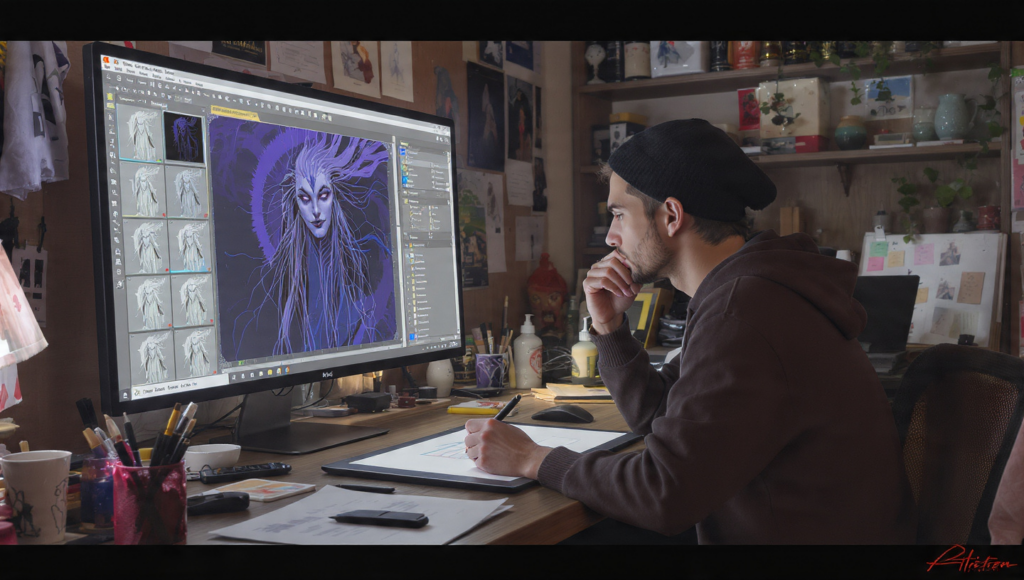
This change allows professionals to explore dozens of creative directions in the time it used to take to produce one. Instead of starting with a blank canvas, artists often begin with a series of AI-generated prototypes, which they then refine, combine, and inject with the specific human nuance that algorithms cannot replicate.
By offloading the repetitive “heavy lifting,” the creative process becomes more iterative and experimental. The value of a creator is increasingly measured by their taste, their strategic vision, and their ability to guide the technology toward a result that feels authentically human and emotionally resonant.
Democratizing High-End Production
High-quality video and animation were once the most exclusive creative fields due to the immense resources required for production. AI video tools have democratized this space, allowing independent creators to generate cinematic-quality clips and complex motion graphics from simple text or image prompts.
These systems handle the complicated physics of motion and consistency, enabling a single person to produce work that previously required a full studio. This has led to a surge in diverse storytelling, as creators from different backgrounds can now visualize their ideas without traditional financial barriers.
This democratization doesn’t just increase the volume of content; it changes the nature of the content itself. We are seeing a move toward more “modular” storytelling, where visuals can be easily adapted for different platforms or personalized for specific audiences without starting the production process over from scratch.
Creative Collaboration Through Natural Language
The way artists interact with their tools has also transformed. The complex menus and keyboard shortcuts of traditional creative software are being supplemented by natural-language interfaces. A photographer can now “talk” to their editing suite, asking it to adjust the mood of a shot or subtly change the lighting in a specific corner of a frame.
This conversational approach makes the technology feel less like a rigid instrument and more like a collaborative partner. It lowers the barrier to entry for beginners while providing experienced professionals with a faster, more intuitive way to manifest their ideas.
As these tools become more “agentic,” they can even suggest creative improvements based on established design principles or current cultural trends. The relationship is becoming a true partnership, where the human provides the soul and the machine provides the technical precision to execute it.
Why It Matters
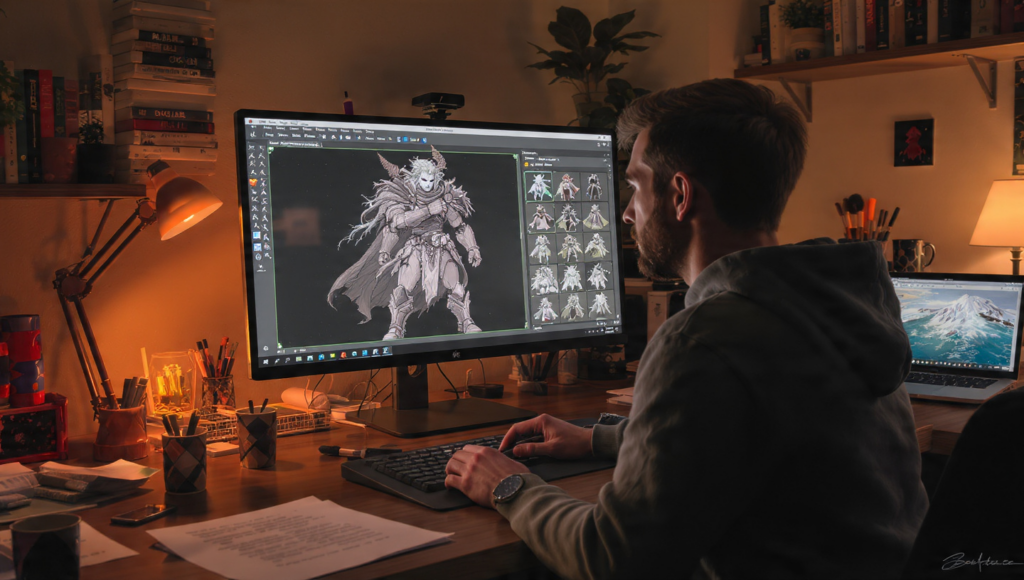
The evolution of creative work is fundamentally about expanding the boundaries of human expression. When we use AI to manage the logistics of production, we are reclaiming the time needed for deep thinking and cultural exploration. This ensures that the digital world remains a place of genuine innovation rather than a sea of repetitive patterns.
In 2026, the most successful creators are those who are “AI-native”—they understand the strengths of the technology but remain “human-native” in their commitment to storytelling and emotional depth. By balancing efficiency with authenticity, they can produce work that is both technically impressive and deeply relatable.
Ultimately, the goal of AI in the creative industries is to make the technology disappear. The most powerful creative moments of the future will be those where the viewer doesn’t think about the software used to create the piece, but only about the story being told and the feeling it evokes.