

In the modern landscape, the measure of a successful business is no longer just its scale, but its agility. Companies are increasingly moving away from rigid, manual operations toward a model where technology handles the foundational “heavy lifting.” This shift allows organizations to focus on strategy and connection rather than getting caught in the friction of daily logistics.
Working smarter is becoming the standard as businesses integrate intelligent systems into their core architecture. Instead of treating technology as a separate department, leaders are weaving it into every function—from supply chain management to customer relations. This quiet transition is fundamentally changing the rhythm of the workday, making it more predictable and less prone to the errors that stem from human fatigue.
✨ AI Insight: In 2026, the adoption of “agentic” AI systems has allowed businesses to move beyond simple task automation toward autonomous workflows. These systems don’t just follow rules; they understand context and can manage entire processes—like reconciling invoices or routing complex customer inquiries—without requiring constant human oversight.
Turning Data into Decisive Action
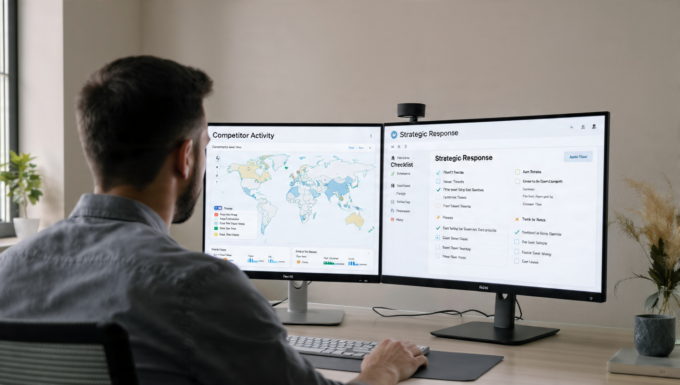
One of the most significant ways businesses are working smarter is by transforming the vast amounts of data they collect into clear, actionable insights. In the past, data was often “siloed” or stored in formats that were difficult to analyze without a team of specialists. Today, intelligent analytics tools can sift through millions of data points in real-time to identify emerging trends.
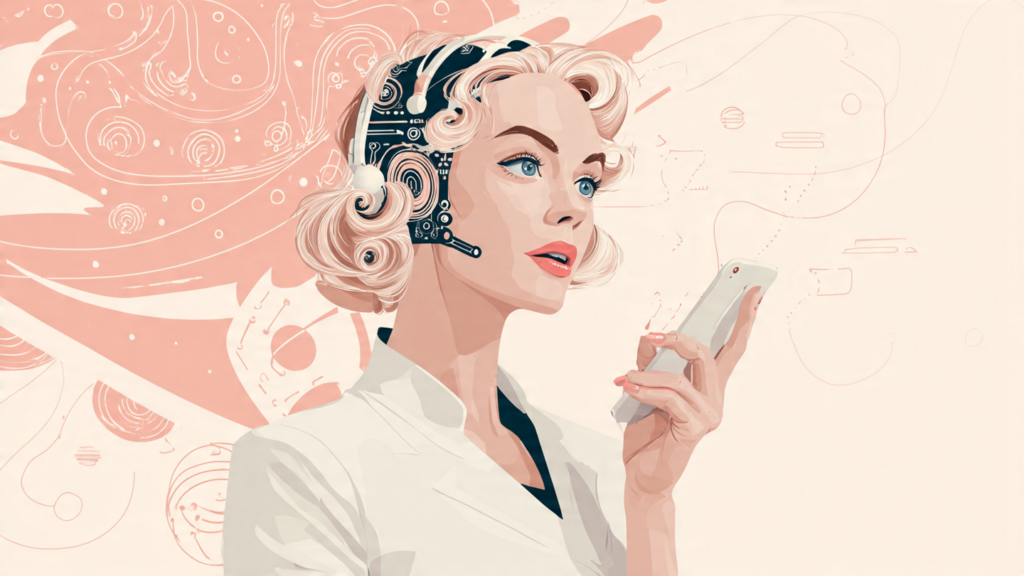
This shift allows leaders to make decisions based on evidence rather than intuition. Whether it is predicting a shift in consumer demand or identifying a bottleneck in a production line, the technology provides a high-fidelity view of the business. By removing the guesswork, organizations can act with a level of confidence that was previously impossible.
Furthermore, these systems can forecast future scenarios, helping businesses prepare for market changes before they happen. This proactive approach ensures that the company is always positioned for growth, even in a volatile economic environment. The result is a more resilient operation that is less reactive and more strategic.
Scaling Personalization Without Complexity
For a long time, providing a truly personalized experience was a luxury reserved for high-end boutique brands or companies with massive marketing budgets. Businesses are now using intelligent software to offer individual attention at a global scale. By analyzing customer behavior, these tools can tailor recommendations and communication to each person’s specific needs.
This level of detail creates a stronger bond between the brand and the customer, leading to higher loyalty and satisfaction. The technology handles the complexity of managing thousands of individual profiles, while the marketing team focuses on the creative direction and the overarching brand story. This ensures that every interaction feels authentic rather than robotic.
The impact is seen in everything from customized email campaigns to dynamic pricing models that reflect real-time market conditions. By making the customer feel understood, businesses can drive engagement without increasing their administrative workload. It is a smarter way to grow that prioritizes quality as much as quantity.
Optimizing the Internal “Plumbing” of Operations
Every business has a layer of “invisible” work—the repetitive administrative tasks like data entry, scheduling, and document processing that keep the lights on. AI is now handling this internal plumbing, ensuring that information moves through the company without getting stuck in manual queues. This automation of the mundane is one of the most immediate ways to improve a team’s day-to-day experience.
When a professional no longer has to spend three hours a week manually updating a CRM or chasing approvals, they are free to spend that time on innovation. This not only increases productivity but also improves employee morale, as people are able to do the high-value work they were actually hired to do. The business becomes leaner and more efficient without losing its human touch.
These operational gains are particularly impactful for small and medium-sized enterprises that operate with limited staff. By using technology to punch above their weight, smaller teams can compete with much larger organizations. They aren’t just working harder; they are using a more sophisticated set of tools to achieve better results.
Why It Matters
Working smarter is a necessity in an era where information moves at the speed of light and customer expectations are higher than ever. When a business leverages AI to handle its logistics and data, it gains the mental “white space” needed to innovate. This is the difference between a company that is just surviving and one that is thriving and setting new industry standards.

Ultimately, these tools are about returning a sense of balance to the professional world. By delegating the mechanical and repetitive to the software, we preserve our uniquely human strengths—like empathy, ethics, and long-term vision—for the tasks that truly matter. It is a more sustainable way to build a company that is ready for whatever the future holds.
As these systems become more deeply embedded in our daily lives, the distinction between “business” and “technology” will continue to fade. The most successful organizations of the future will be those that view their AI tools not just as software, but as a fundamental part of their team. Working smarter is not a destination, but a continuous journey toward a more efficient and human-centric workplace.