


Work has always involved a mix of focused effort and small administrative tasks. Scheduling, organizing information, following up, and keeping track of details often take as much time as the work itself. Over time, these background demands grew alongside digital tools, quietly competing for attention.
AI’s role in the workplace has expanded not because it promises transformation, but because it fits naturally into this gap. Rather than acting as a replacement for human effort, AI increasingly functions as an assistant—handling routine tasks, managing information flow, and supporting momentum throughout the workday.
This shift did not happen all at once. It emerged gradually, as everyday tools absorbed intelligence in ways that felt helpful rather than disruptive.
From Tools to Support Systems
Traditional work software focused on enabling tasks. Word processors helped write documents, calendars tracked dates, and email delivered messages. Each tool required active management.
AI-assisted systems behave differently. They observe patterns across these tools and offer support where friction appears. Instead of waiting for instructions, they suggest next steps, surface relevant information, or automate routine actions.

This change turns software from a passive instrument into an active participant in the workflow—one that supports rather than directs.
✨ AI Insight:
AI became a work assistant by focusing on routine coordination tasks that consume attention but require little judgment.
Handling the Repetitive Without Taking Control
Many workplace tasks are predictable. Files need organizing, meetings need summaries, and updates need to be shared. These actions are necessary but rarely the focus of meaningful work.
AI tools take on these responsibilities quietly. Documents are sorted automatically, meetings are summarized, and status updates are generated based on activity. Importantly, these systems operate within clear boundaries, handling repetition without making decisions that require context or nuance.
This division of labor keeps control with the user while reducing the mental load associated with routine upkeep.
Managing Information Flow
Modern work produces a constant stream of information. Messages, documents, notifications, and updates arrive continuously, often faster than they can be processed.
AI assists by filtering and organizing this flow. Important messages are highlighted, less urgent updates are grouped, and relevant documents are surfaced based on context. Instead of scanning everything, users engage with what matters most at that moment.
This selective attention support helps maintain focus without disconnecting from ongoing communication.
Supporting Momentum Across Tasks
One of the quiet challenges of work is transitioning between tasks. Remembering what comes next, where something was left off, or who needs to be updated can interrupt momentum.
AI assistants help bridge these gaps. They track progress, suggest follow-ups, and maintain continuity across tools. When work resumes after a pause, context is easier to recover.
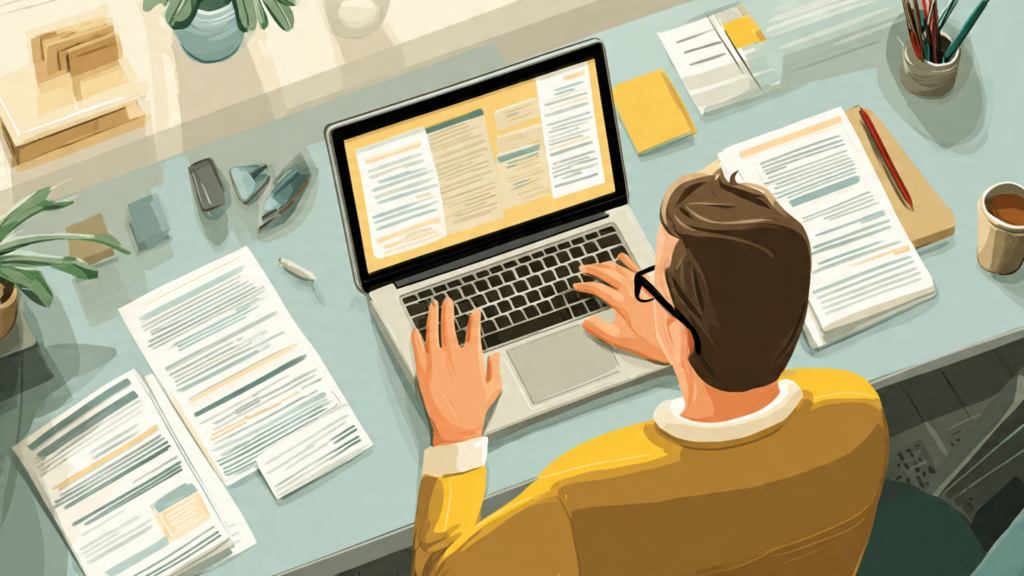
This continuity is subtle but significant. It reduces the friction that often turns short interruptions into long delays.
Adapting to Individual Work Styles
Not all professionals work the same way. Some prefer structured schedules, others work in flexible blocks. AI assistants adjust by learning from patterns rather than enforcing rigid systems.
Over time, reminders, suggestions, and automation align more closely with individual habits. This adaptability makes AI feel less like a system to manage and more like a support layer that fits naturally into existing routines.
When tools adapt to people, they are more likely to be trusted and consistently used.
Reducing Decision Fatigue
Workdays are filled with small decisions: what to prioritize, when to respond, which task to tackle next. Individually, these choices seem minor. Collectively, they drain attention.
AI assistants reduce this burden by handling low-stakes decisions. They suggest priorities, flag deadlines, and organize tasks based on context. This allows professionals to reserve decision-making energy for work that truly requires it.
The result is not faster work, but steadier progress with less mental strain.
Collaboration Without Extra Overhead
In team settings, coordination often introduces friction. Aligning schedules, tracking updates, and following up can slow progress even when work itself is clear.
AI assistants support collaboration by managing these background processes. Meeting times are suggested automatically, shared documents reflect changes clearly, and unresolved items are highlighted without manual tracking.
This keeps teams aligned without increasing communication volume or administrative effort.
Why It Matters
AI’s evolution into a work assistant reflects a broader change in how productivity is supported. Instead of pushing people to do more, these systems aim to make work easier to sustain.
By handling repetition, organizing information, and supporting transitions, AI reduces the effort required to keep work moving. This allows professionals to focus more consistently on tasks that require judgment, creativity, and experience.
The value lies not in visibility, but in reliability.
A Support Role That Feels Natural
The most effective assistants are those that do not demand attention. AI in the workplace follows this principle by operating quietly, stepping in only where support is needed.
As these systems continue to integrate into everyday tools, their role becomes less about technology and more about assistance. Work feels more manageable, not because it has changed, but because fewer obstacles stand in the way.
AI is becoming a work assistant not by taking over, but by standing alongside—supporting daily effort with quiet consistency.